
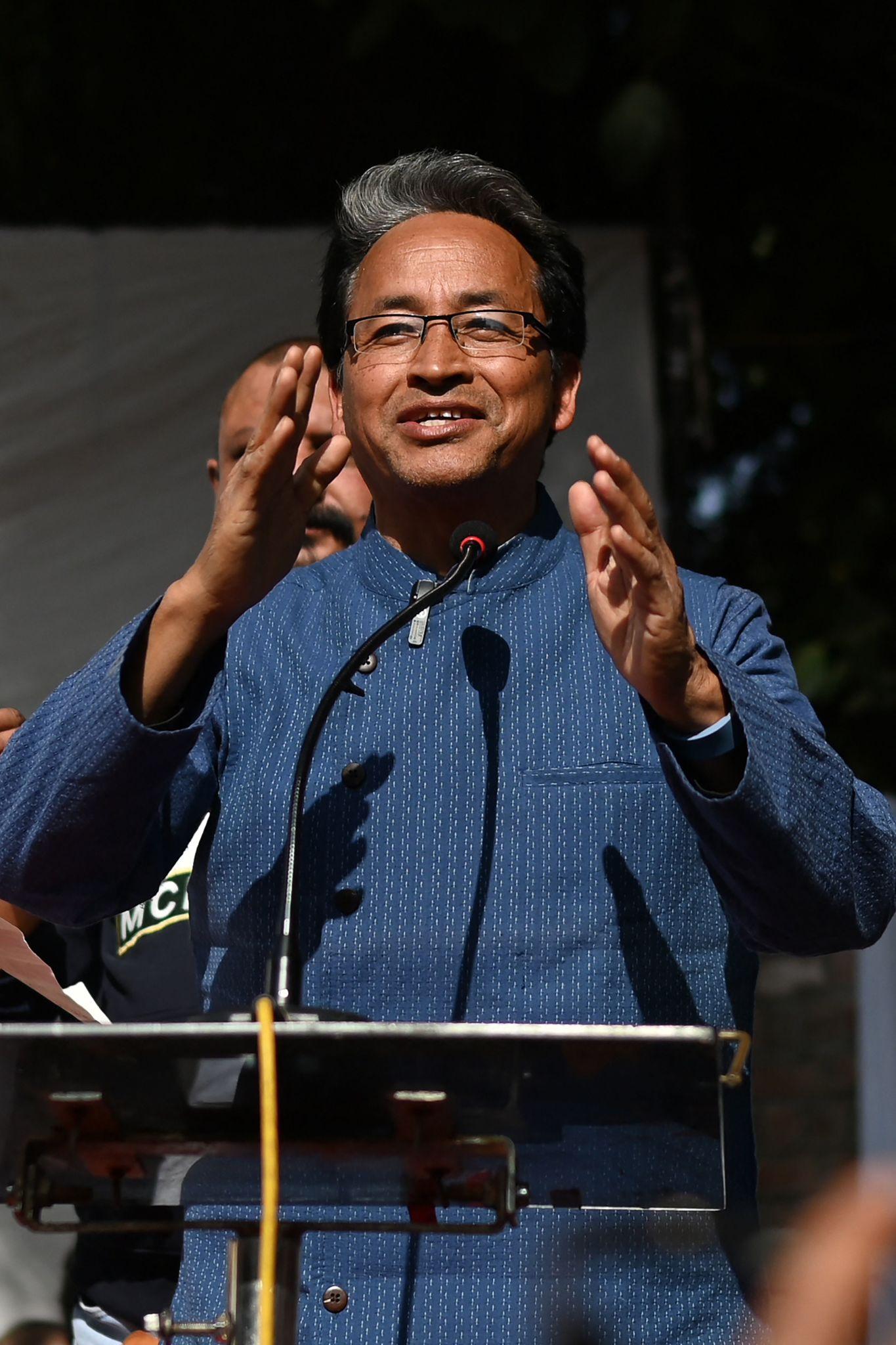
Leh, Ladakh — Prominent Ladakhi environmental activist and engineer Sonam Wangchuk has been released from preventive detention after spending nearly six months in custody under India’s National Security Act (NSA). The decision was announced by India’s Ministry of Home Affairs, which stated that Wangchuk’s detention had been revoked “with immediate effect” following a review of the situation in the Himalayan region.
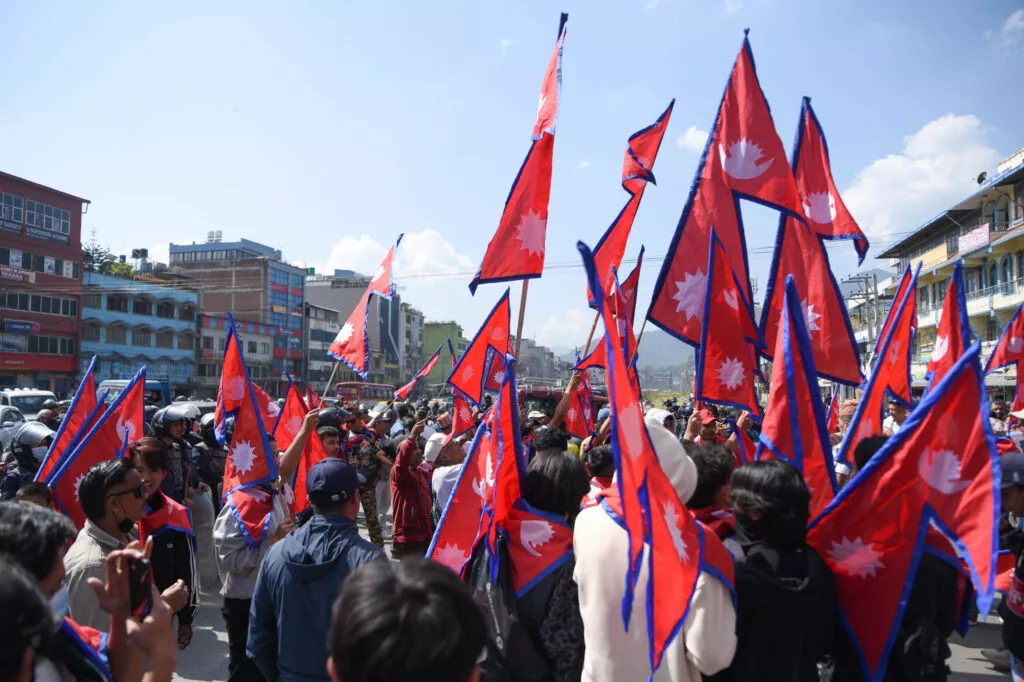
Wangchuk, 59, had been arrested in September after large demonstrations in the high-altitude region of Ladakh turned violent, leaving four people dead and dozens injured. Authorities accused him of delivering speeches that allegedly intensified the protests demanding greater political autonomy for the region.
Speaking after his release from Jodhpur Central Jail, Wangchuk welcomed the decision but stressed that his personal freedom would mean little if Ladakh’s broader demands remain unresolved.
“What good is my win if Ladakh loses?” Wangchuk said, emphasizing that the struggle has always been about the future of the region rather than any individual victory.
Why Sonam Wangchuk Was Arrested
The arrest followed a wave of demonstrations organized by local civil groups calling for constitutional protections for Ladakh. Wangchuk had been at the forefront of the movement, leading peaceful campaigns and hunger strikes demanding either full federal statehood for Ladakh or inclusion under the Sixth Schedule of the Constitution of India, which provides special safeguards for tribal regions, land rights, and cultural protection.
The protests intensified after years of political frustration in Ladakh. In 2019, the government of Narendra Modi separated Ladakh from the former state of Jammu and Kashmir and placed it under direct federal administration.
While some residents initially welcomed the move, many later argued that the decision removed local legislative authority and weakened protections for Ladakh’s fragile ecosystem, land ownership, and indigenous communities.
Officials in Ladakh said the detention order, issued by the district magistrate of Leh, was necessary to maintain public order. Under the National Security Act, individuals can be detained for up to 12 months without formal charges.
Goals of Wangchuk’s Movement
Wangchuk’s activism focuses on several major demands that supporters say are essential for protecting Ladakh’s people, culture, and environment:
-
Statehood or democratic representation for Ladakh through an elected legislative assembly.
-
Protection of land, employment, and local rights for the region’s indigenous communities.
-
Environmental safeguards to protect Ladakh’s fragile high-altitude ecosystem from uncontrolled development.
Supporters argue that Ladakh’s unique geography, cultural heritage, and strategic location near the borders with China and Pakistan require stronger constitutional protection.
Following his release, Wangchuk called for constructive dialogue between Ladakh’s leaders and the central government, suggesting that a “win-win-win” solution could benefit Ladakh, the central government, and India’s democratic reputation internationally.
Who Is Sonam Wangchuk?
An engineer, innovator, and environmental advocate, Wangchuk is widely respected for pioneering sustainable technologies designed for Himalayan communities. In 2018, he received the prestigious Ramon Magsaysay Award for his contributions to education reform and climate adaptation in Ladakh.
He is best known for developing the Ice Stupa project—an artificial glacier system that stores winter water as ice and gradually melts during spring, providing irrigation for farmers in water-scarce mountain regions.
Wangchuk’s life and work also inspired a character in the popular Bollywood film 3 Idiots, starring Aamir Khan, which helped bring international attention to innovative learning and creativity in India.
What Happens Next
After his release, Wangchuk is expected to return to Ladakh and continue engaging with community leaders and government representatives. It remains unclear whether legal proceedings related to his detention will continue.
His wife, Gitanjali Angmo, had previously filed a petition in the Supreme Court of India challenging the legality of his detention. The court had been scheduled to hear the case shortly before the government revoked the order.
The Indian government has stated that it remains committed to maintaining peace, stability, and mutual trust in Ladakh while continuing dialogue with regional stakeholders.
Strategic Importance of Ladakh
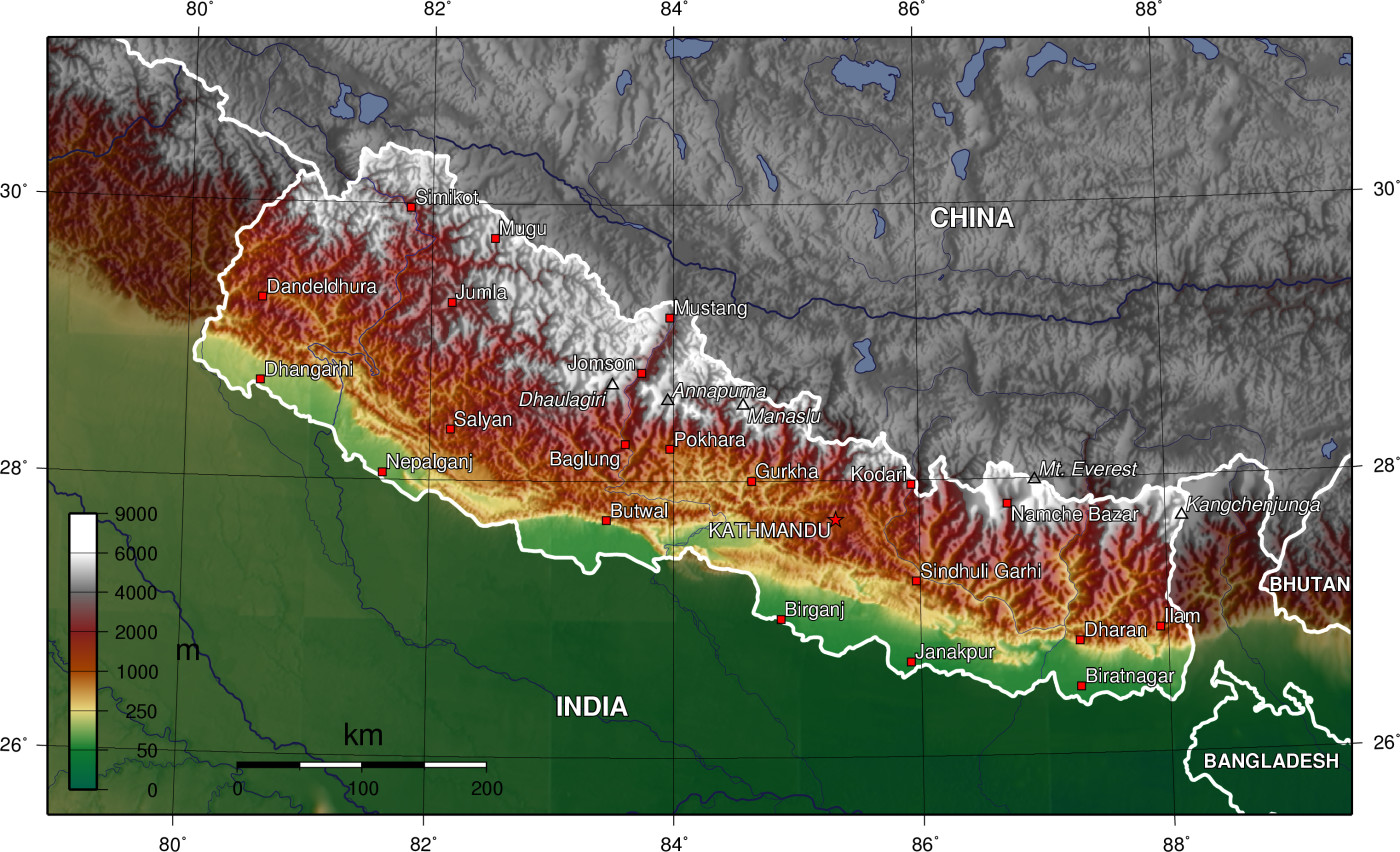
Ladakh occupies a sensitive geopolitical position in the Himalayas, sharing disputed borders with China and Pakistan. The region gained global attention after a deadly border clash between Indian and Chinese troops in 2020.
Because of its strategic location, the Indian army maintains a significant presence in the region. At the same time, Ladakh’s fragile ecosystem and unique cultural heritage have become central concerns in debates about the region’s development and governance.
While Wangchuk’s release marks an important turning point in recent tensions, the broader political future of Ladakh remains uncertain. Many observers believe that renewed dialogue between New Delhi and local leaders may open a path toward addressing the region’s long-standing demands for autonomy, environmental protection, and democratic representation.