calendar_month

Himalayan Fair Brings the Spirit of the Himalayas to Berkeley
Sunday, May 17, 2026

  /  

HNN

By Lhakpa Gelu Sherpa, Berkeley, California:
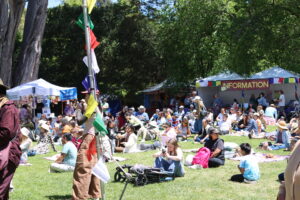
Under a bright California sun and clear spring skies, Berkeley’s historic Live Oak Park transformed on May 16 and 17 into a vibrant meeting place of Himalayan cultures, colors, music, and memory as the annual Himalayan Fair returned once again to the heart of the city.
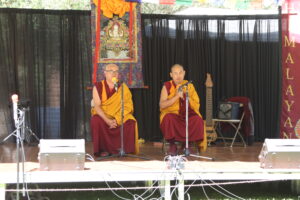
The event began with prayers and blessings offered by venerable monks from Sera Jey Monastery, creating a peaceful and spiritual atmosphere across the park. As the soft fragrance of burning sandalwood incense drifted gently through the air and prayer flags fluttered above the gathering, visitors were reminded that the Himalayan world is not only defined by mountains and traditions, but also by compassion, mindfulness, and community.

Founded in 1983, the Himalayan Fair has become one of Berkeley’s most enduring cultural traditions. Its mission has always been larger than entertainment alone. The fair was created to bring together communities connected to Nepal, Tibet, Bhutan, India, and Pakistan while celebrating the cultural diversity, artistic traditions, and shared humanity of the Himalayan region. Over the decades, it has also supported charitable causes connected to Himalayan communities and provided a platform for both emerging and established artists.

The vision for the fair emerged through the friendship between Berkeley resident and pioneering mountaineer Arlene Blum and Lama Kunga. Inspired by the bustling bazaars and gathering places she encountered while trekking across the Himalayas, Blum helped create a Berkeley version of that spirit more than four decades ago. What began as a small community gathering attended by only a few hundred people has since grown into a beloved annual festival drawing thousands of visitors from across California and beyond.

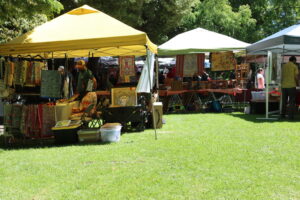
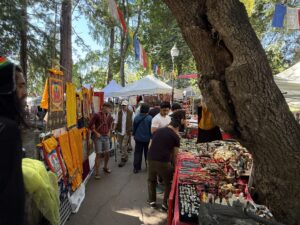
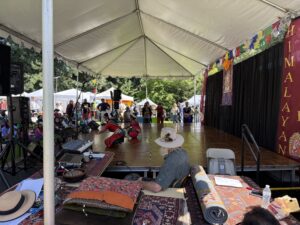
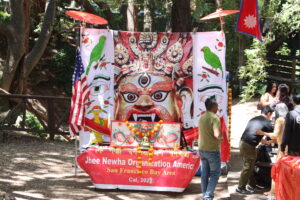
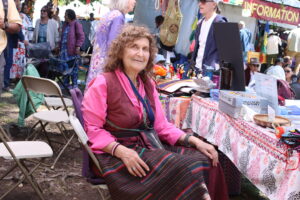
Throughout the weekend, Live Oak Park carried the atmosphere of a Himalayan bazaar. Prayer flags hung from nearly every corner, while Nepali, Tibetan, Indian, and Bhutanese community booths filled the landscape with color and energy. The stream flowing through the park divided the fairgrounds into different sections connected by small bridges, adding to the feeling of walking through a mountain town festival somewhere in the Himalayas.

Rows of booths displayed Himalayan crafts, handwoven textiles, jewelry, home goods, travel exhibits, and children’s games. Visitors moved slowly between stalls, pausing to admire traditional artwork or speak with vendors about handmade crafts brought from Himalayan communities.

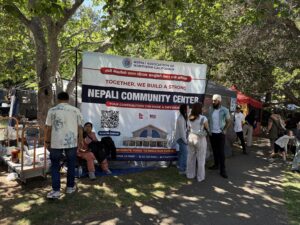
On one side of the park, long lines formed beneath food tents where volunteers and community members worked tirelessly preparing traditional dishes. At the booth of the Tibetan Association of Northern California, dozens of volunteers folded and steamed momo as crowds patiently waited to taste the beloved dumplings. Nearby, the Nepali Association of Northern California served sell roti, momo, alu dum, and other traditional foods that reminded many visitors of home and family gatherings in the Himalayas.

The scent of masala tea, naan, tandoori dishes, tikka masala, Newari cuisine, and steaming momo blended with the fragrance of sandalwood incense, filling the air with a warmth that felt both festive and deeply familiar. Families sat beneath trees and in the park sharing meals together while musicians performed nearby, blending food, conversation, and art into a communal experience rarely found in modern city life.

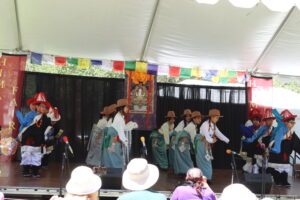
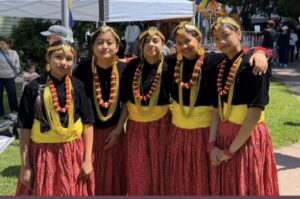
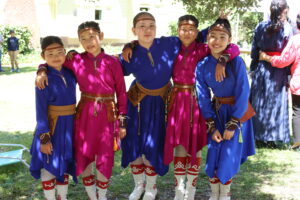
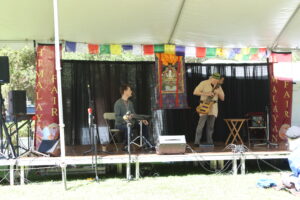
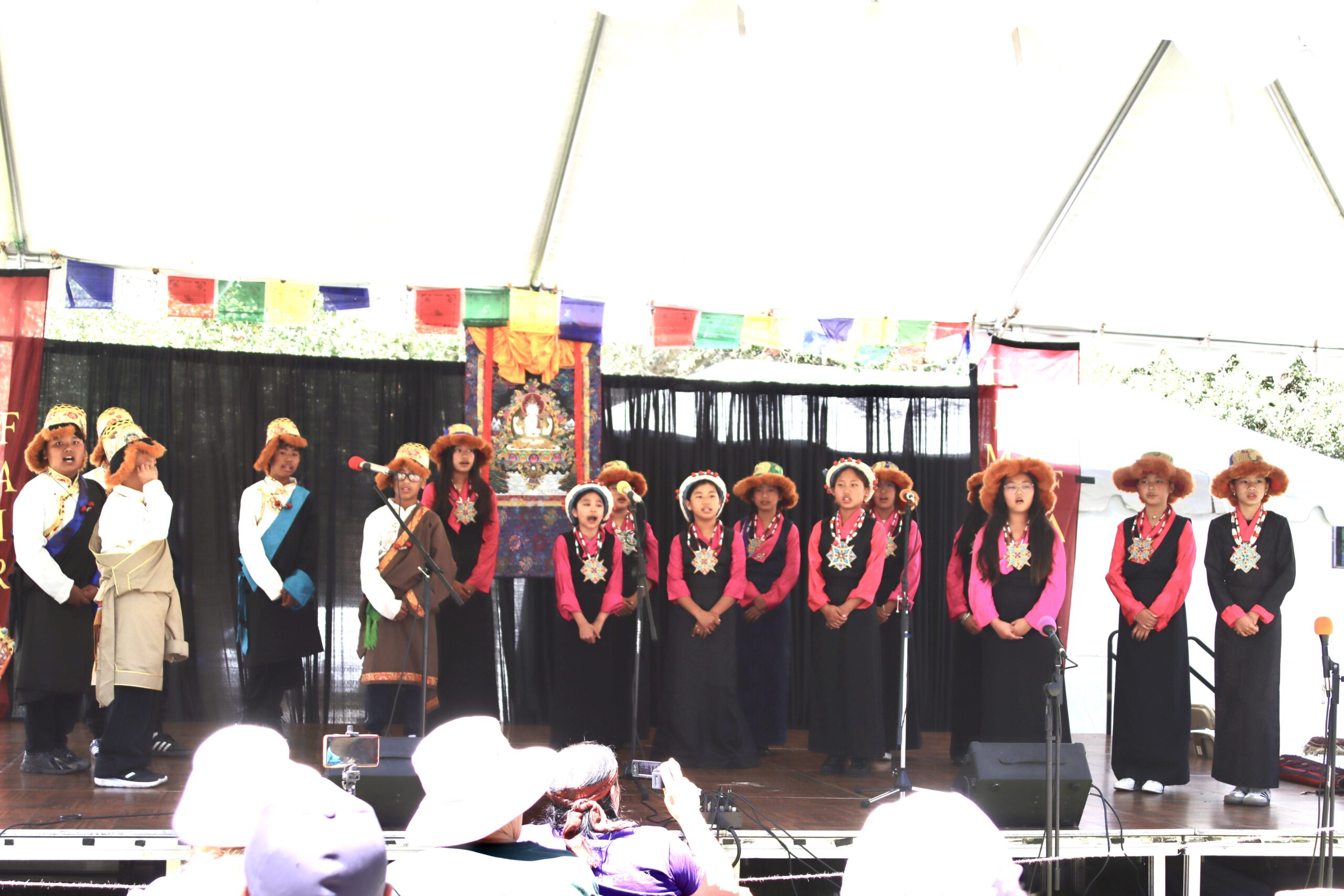
Most of the cultural performances were presented by children from different Himalayan communities and cultural schools, bringing youthful energy and pride to the festival stage.

Young Tibetan performers dressed in colorful traditional attire presented graceful dances accompanied by traditional music that reflected the spiritual and cultural heritage of Tibet. Their movements carried echoes of ancient Himalayan traditions preserved through generations.

Nepali children performed lively folk dances and musical presentations representing the cultural diversity of Nepal’s many ethnic communities. Their performances brought warmth, joy, and a strong sense of cultural identity to the fair.

Indian classical and folk dancers captivated audiences with elegant movements, rhythmic expression, and vibrant costumes that reflected the richness and diversity of India’s artistic traditions.

.

Mongolian performers introduced audiences to the unique musical and cultural heritage of Mongolia through traditional songs, dances, and performances inspired by the nomadic traditions of the степpe.

Together, the performances reflected not only artistic talent but also the preservation and passing of cultural heritage from one generation to the next.

Indian classical music echoed through the park with meditative elegance, while Tibetan dances moved with ceremonial grace. Nepali folk songs brought warmth and nostalgia to many in the audience. Ancient traditions and contemporary interpretations existed side by side, reflecting the evolving identity of Himalayan communities living across the diaspora.

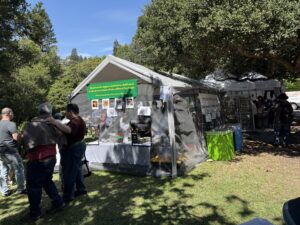
The fair also carried a deeper message of care and service. Doctors and nurses from the Tibetan Association of Northern California set up a public health screening booth, offering visitors basic physical health checkups and medical guidance. Their presence reflected the spirit of compassion and community service that has long been central to Himalayan culture and philosophy.

More than a cultural event, the Himalayan Fair has become a living preservation of Himalayan identity, art, and tradition far from the mountains themselves. In a rapidly changing world where migration and globalization often challenge cultural continuity, the fair stands as a reminder that traditions survive not only through museums or history books, but through music, food, gathering, storytelling, and shared experience.

Held in Berkeley, home to the renowned University of California, Berkeley, the fair also serves as a bridge between cultures, generations, and communities. It introduces new audiences to the richness of Himalayan civilization while giving immigrant families and younger generations an opportunity to reconnect with heritage and memory.

The event was organized with remarkable care and energy, reflecting the dedication of countless volunteers, performers, community organizations, and cultural leaders. As the sun slowly descended behind the trees of Live Oak Park and the music continued into the evening, the fair once again fulfilled the vision imagined decades ago: a meeting place where the cultures of the Himalayas could gather, celebrate, and remain alive in the heart of California.

Leave a Reply

Your email address will not be published. Required fields are marked *

Type above and press Enter to search. Press Close to cancel.