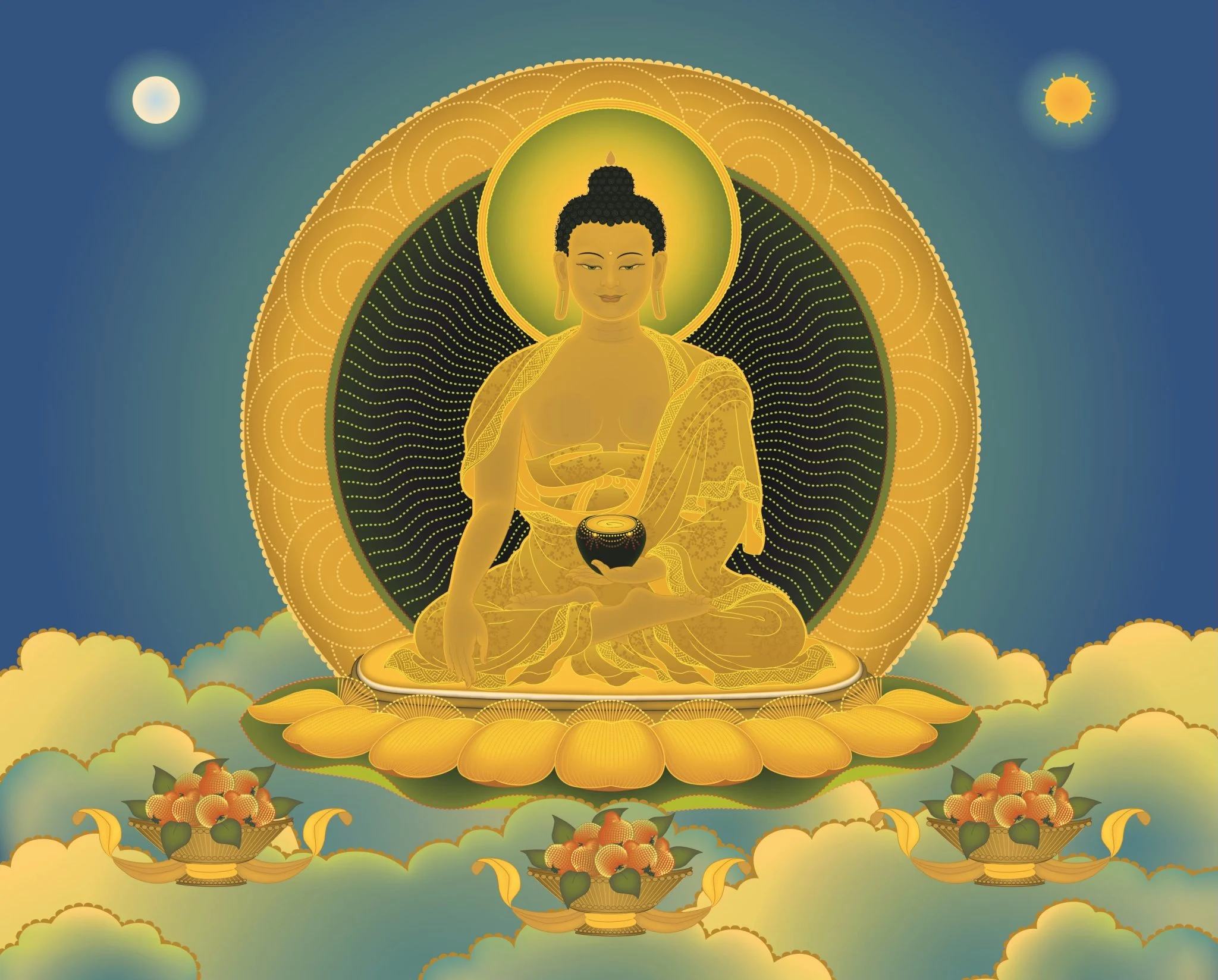
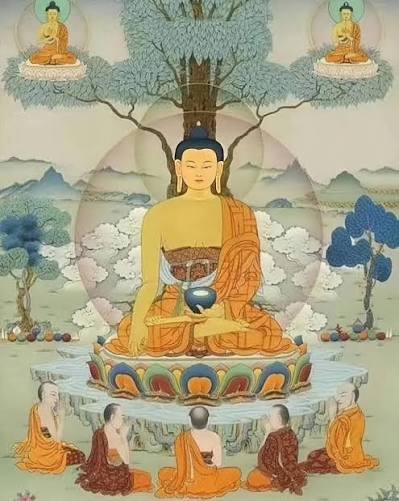
Buddhism, which began in the sacred land of Lumbini, Nepal, through the teachings of Gautama Buddha, is one of the most profound philosophical and spiritual traditions in human history. Over the course of more than 2,570 years, it spread across continents and civilizations, adapting to different cultures, languages, and societies while preserving its essential foundation. At its core, Buddhism has always remained centered on the understanding of suffering, compassion, wisdom, mindfulness, and the interconnectedness of all life.
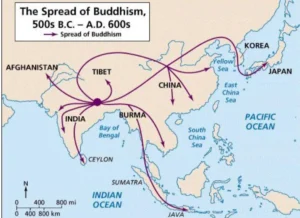
Unlike rigid belief systems confined to a single form, Buddhism evolved organically as it encountered different civilizations. This adaptability became one of its greatest strengths. While its expressions, rituals, and cultural appearances changed from region to region, its central aim remained the same: understanding the nature of human suffering and cultivating a path toward liberation, awareness, and compassionate living.
In its early development, Buddhism spread throughout ancient India and neighboring regions before expanding further during the reign of Ashoka, who embraced Buddhist ethics after witnessing the devastation of war. Under his patronage, Buddhism expanded into Sri Lanka, where the Theravada tradition became firmly established. From there, it spread to Myanmar, Thailand, Laos, and Cambodia. These regions emphasized the Pali Canon, monastic discipline, Vipassana meditation, and mindfulness practices. Theravada Buddhism is often referred to as the “Southern Buddhist Tradition” and is generally regarded as preserving many of the earliest Buddhist teachings.

As Buddhism entered China, it encountered deeply rooted philosophical traditions such as Taoism and Confucianism. The Taoist appreciation for simplicity, natural flow, silence, and harmony with nature resonated strongly with Buddhist ideas of emptiness, nonattachment, and direct experience. Through this cultural interaction, Chan Buddhism emerged in China. Chan emphasized meditation and direct realization over purely intellectual understanding. Other important Chinese Buddhist traditions, including Tiantai, Huayan, and Pure Land Buddhism, also developed during this period.
When Chan Buddhism reached Japan, it evolved into Zen Buddhism, which became known for its emphasis on meditation, simplicity, discipline, and direct awareness of reality. Japan also developed other Buddhist traditions such as Tendai, Shingon, Nichiren, and Jodo Pure Land Buddhism. Shingon, with its use of mantras, mandalas, and esoteric rituals, is often associated with forms of Vajrayana practice adapted to Japanese culture.

In South Korea, this meditative tradition became known as Seon Buddhism, while in Vietnam it developed as Thiền Buddhism. Though the names changed across regions, the central focus remained the direct understanding of the mind and the cultivation of awakening.
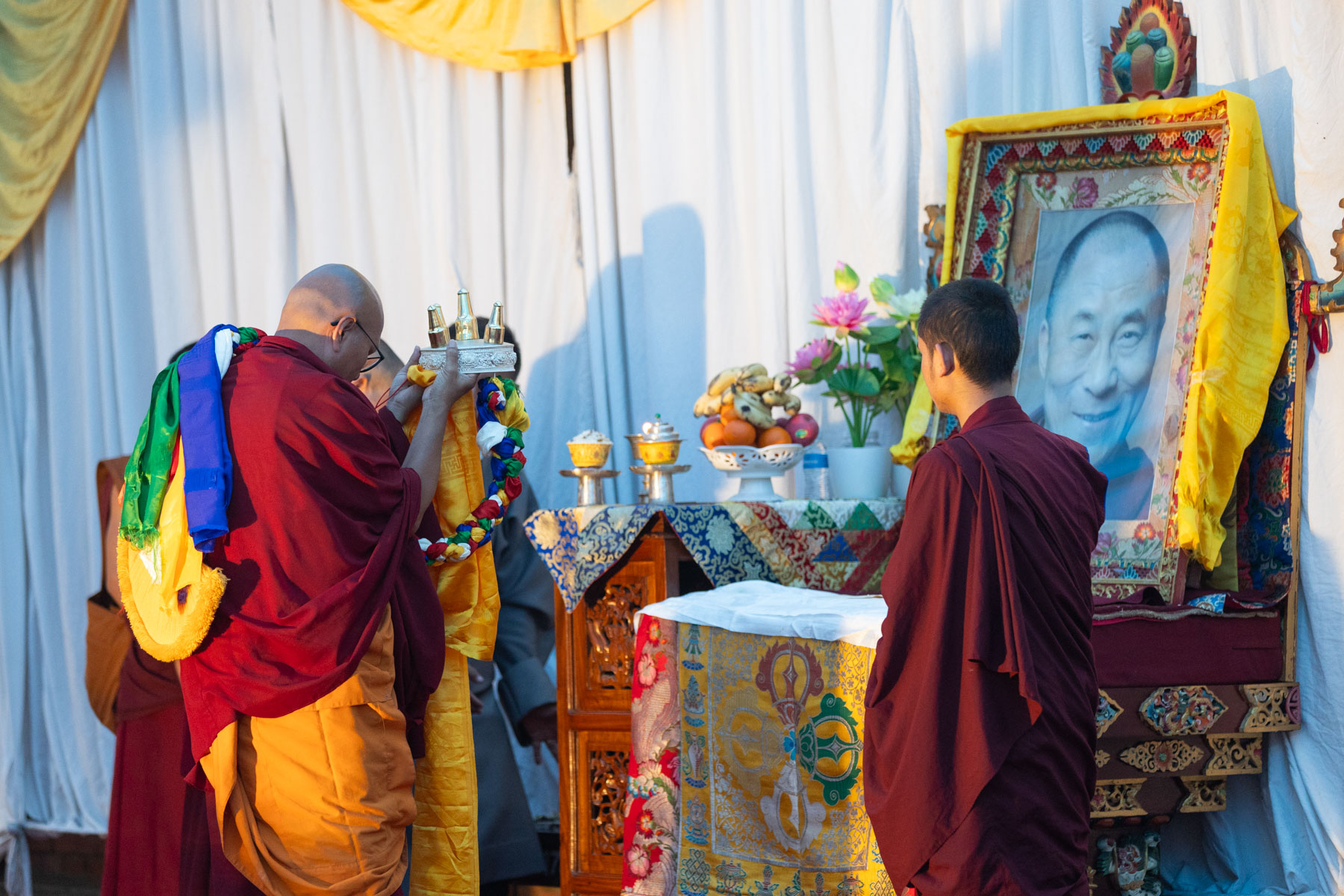
In Tibet, Bhutan, Mongolia, and the Himalayan regions, Buddhism underwent another major transformation through the development of Vajrayana Buddhism. This tradition integrated Mahayana philosophy with rituals, symbolic practices, mantras, meditation, yoga, and tantric methods aimed at accelerating spiritual transformation. Within Tibetan Buddhism, several major schools emerged, including Nyingma, Kagyu, Sakya, Gelug, and Jonang.
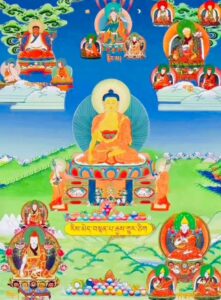
The Nyingma school, considered the oldest Tibetan Buddhist tradition, traces much of its foundation to Padmasambhava. The Kagyu tradition became known for meditation and Mahamudra practices. The Sakya school emphasized scholarly and tantric traditions, while the Gelug school was systematized by Tsongkhapa. The Jonang tradition became especially known for Kalachakra teachings and the Shentong philosophical interpretation.
Tibetan Buddhism also interacted deeply with the ancient Bon tradition of Tibet. Over centuries, elements of local culture, symbolism, and ritual blended with Buddhist teachings, creating a uniquely Himalayan form of spiritual culture.
Nepal itself became a crossroads of Buddhist traditions. In the Kathmandu Valley, Newar Vajrayana Buddhism preserved ancient Sanskrit Buddhist literature, ritual practices, sacred art, and a long tradition of Hindu Buddhist coexistence. In the Himalayan regions of Nepal, Tibetan Vajrayana traditions flourished, while Theravada Buddhism experienced revival in the modern period.
Historically, Buddhism also spread westward into Gandhara, Central Asia, and parts of present day Afghanistan. In these regions, Greek, Persian, and Indian artistic influences blended together, giving rise to the famous Gandharan Buddhist art tradition. Some scholars believe the earliest human representations of the Buddha emerged from this cultural exchange.
In Southeast Asia, Mahayana and Vajrayana influences contributed to the construction of monumental Buddhist sites such as Borobudur in Indonesia, one of the largest Buddhist monuments in the world.
In modern times, Buddhism expanded into Europe and North America, where new forms of practice emerged. Mindfulness movements, Insight Meditation traditions, Secular Buddhism, and Engaged Buddhism gained widespread attention. Teachers such as Thich Nhat Hanh helped connect meditation with social responsibility, peace, environmental awareness, and compassionate action. Likewise, Dalai Lama brought global attention to compassion, interfaith dialogue, and the ethical dimensions of Buddhist philosophy.

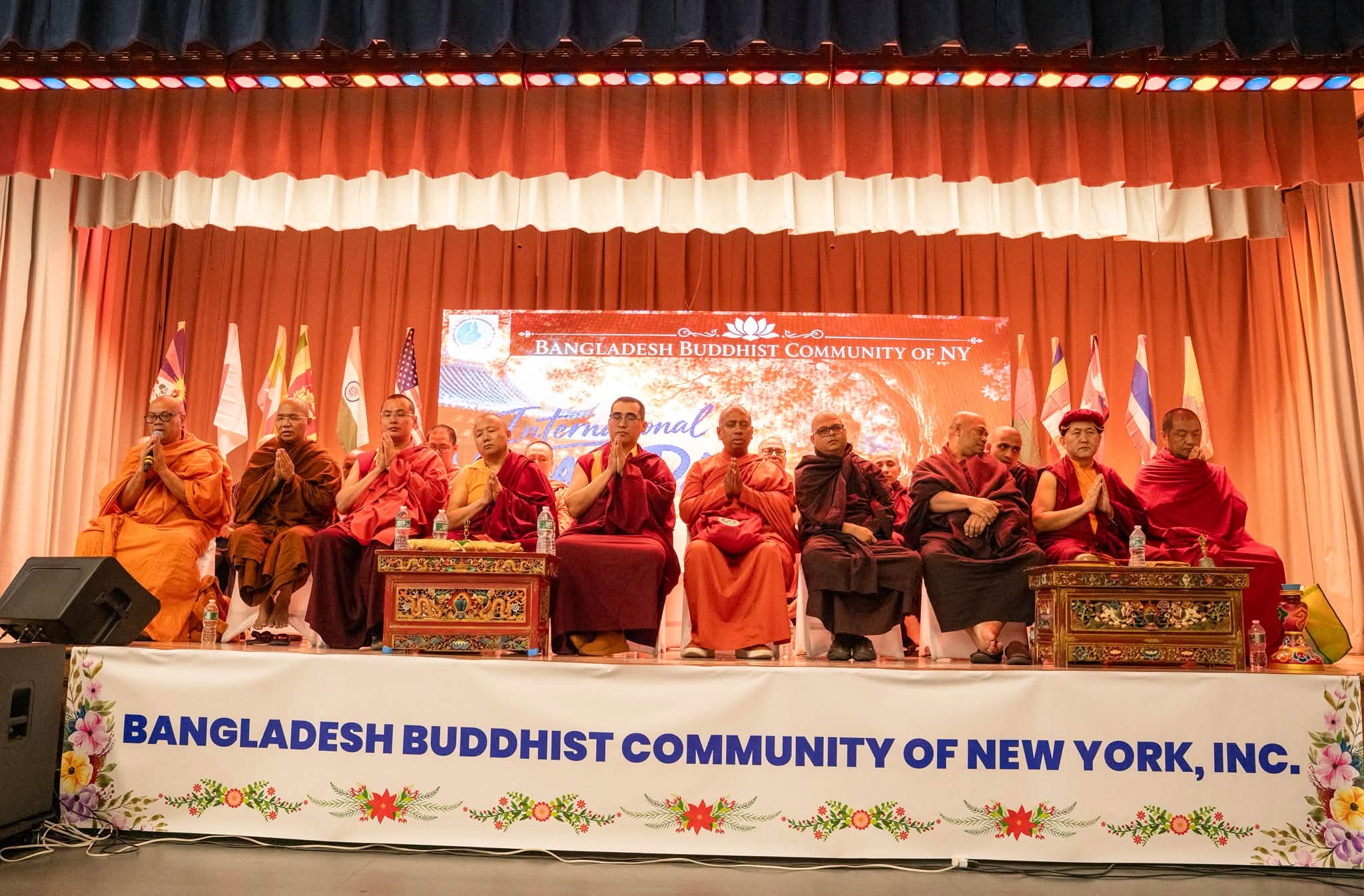
Many scholars and spiritual teachers view Theravada, Mahayana, and Vajrayana not as entirely separate religions, but as different expressions of a shared path toward awakening. Theravada emphasizes individual liberation and early teachings, Mahayana expands the ideal of compassion through the Bodhisattva path, and Vajrayana uses symbolic and transformative practices to accelerate realization. Yet all three traditions remain rooted in the teachings of the Buddha.
Perhaps this is one of Buddhism’s most remarkable qualities. It does not rigidly impose itself upon cultures. Instead, it adapts, evolves, and expresses itself according to the needs of time, society, language, and human consciousness. Names change, rituals change, and cultural forms evolve, but as long as compassion, wisdom, mindfulness, and responsibility toward all life remain alive, the essence of Buddhism remains unchanged.
For this reason, Buddhism can be understood not only as a religion, but also as an evolving journey of human consciousness, ethical responsibility, and compassionate awareness.