
By Lhakpa Gelu Sherpa
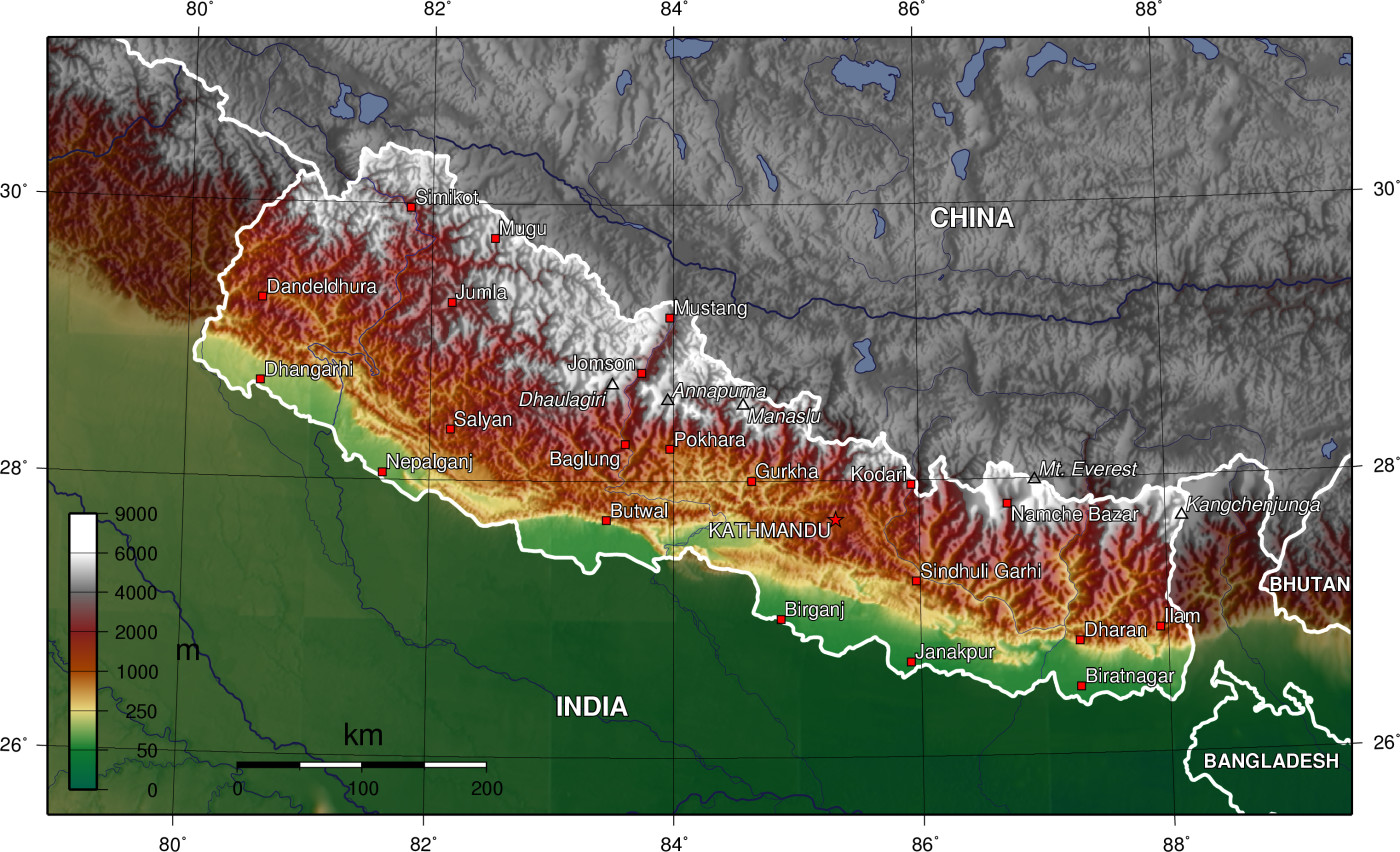
In democratic theory, politics is expected to serve as the mechanism through which the diversity of a society is reflected in its governing institutions. It is through political participation that citizens influence public policy, shape national priorities, and ensure that state power remains accountable to the people. For multiethnic and geographically diverse nations, inclusive representation is not simply a matter of fairness; it is a prerequisite for democratic stability and legitimacy. Nepal, with its extraordinary ethnic diversity and complex geography stretching from the plains of the Tarai to the high Himalayas, presents a particularly important case where political inclusion should function as the foundation of national unity.
Yet the political experience of Nepal’s Himalayan communities reveals a persistent gap between democratic ideals and political practice. Communities living in the high mountain regions, including the Sherpa and other Himalayan peoples, have played a profound role in shaping Nepal’s international identity, cultural heritage, and tourism economy. However, their representation within the structures of national political power has remained consistently limited. This contradiction raises important questions about how inclusive Nepal’s political system truly is.
Himalayan communities occupy a unique place within Nepal’s social and geographic landscape. For decades, they have served as the custodians of the country’s most iconic natural environment. Sherpas and other high mountain communities have become globally recognized for their role in Himalayan mountaineering and mountain tourism. Their expertise, resilience, and intimate knowledge of the mountains have helped transform Nepal into one of the world’s most renowned destinations for adventure tourism. The global image of Nepal as the home of the world’s highest peaks is inseparable from the contributions of these communities.
Beyond tourism, Himalayan societies have developed vibrant systems of local leadership and community organization. Monasteries, community schools, cultural institutions, and local development initiatives across mountain regions demonstrate a long tradition of collective responsibility and local governance. These institutions often emerged in contexts where the presence of the central state was historically minimal. In many respects, Himalayan communities sustained their societies through local initiative rather than through extensive state support.
Despite these contributions, the political representation of Himalayan communities in Nepal’s national institutions remains disproportionately small. Electoral politics in Nepal has rarely produced sustained representation from high mountain populations. Candidates from Himalayan districts are occasionally nominated by political parties, but electoral outcomes seldom translate into meaningful presence in national decision making bodies. As a result, the voices of mountain communities often remain distant from the corridors of political power.
One of the deeper, yet less openly discussed, factors behind this marginalization is the persistent perception that Himalayan communities are somehow culturally or politically “other.” In public discourse, individuals from mountain communities are sometimes viewed with suspicion and casually labeled as Tibetan or referred to using outdated and insensitive terms such as “Bhote.” These perceptions, though historically rooted in Nepal’s complex ethnic landscape, can influence political narratives in subtle but damaging ways.
A recent example illustrates how such perceptions can distort political debate. Tashi Lhazom, a strong political candidate from Humla, represents a generation of capable leaders emerging from Himalayan regions. Yet rather than evaluating her candidacy on the basis of competence, leadership, and policy vision, some voices have attempted to question her identity by portraying her as “Tibetan” or spreading misleading narratives about her background. Such tactics do not simply undermine an individual candidate; they reflect a broader pattern in which Himalayan communities are treated as culturally distant from the national mainstream.
This form of identity based suspicion can have significant political consequences. When communities are subtly framed as outsiders, their legitimacy as national political leaders may be questioned, even when they are deeply rooted in Nepal’s social and historical fabric. Over time, such narratives reinforce barriers that discourage broader political participation from Himalayan populations.
At the same time, structural factors also contribute to the underrepresentation of these communities. Himalayan regions are sparsely populated, and electoral constituencies in Nepal are largely defined by population size. In direct electoral contests, candidates from smaller communities face inherent disadvantages when competing within larger constituencies where they do not constitute the demographic majority.
Geography has also shaped political participation. For much of Nepal’s modern history, Himalayan regions remained physically distant from the country’s administrative and political centers. Difficult terrain, limited infrastructure, and historically restricted access to education and communication networks slowed the development of national political leadership in these areas.
Economic patterns have also influenced political engagement. Many residents of the high mountain regions have historically worked in tourism, mountaineering, trade, and international employment. These sectors brought economic mobility and global exposure but did not always translate into sustained participation in Nepal’s party based political system. Leadership within Himalayan communities often emerged in tourism, education, and cultural institutions rather than in national party structures.
The internal dynamics of political parties further reinforce this imbalance. Candidate selection frequently prioritizes individuals from densely populated regions capable of mobilizing larger vote banks. As a result, smaller communities from geographically remote regions remain peripheral within party leadership and decision making processes.
The consequences of this underrepresentation extend beyond identity politics. Himalayan regions face complex challenges including climate change, environmental degradation, sustainable tourism management, and fragile mountain ecosystems. When communities most closely connected to these issues remain underrepresented in national policymaking, responses risk becoming detached from local realities.
Nepal’s mountains are not merely geographical features; they are central to the country’s identity, economy, and global image. The communities that inhabit these landscapes are therefore not peripheral to the nation. They are integral to it.
For Nepal’s democracy to mature, political inclusion must extend beyond constitutional language and symbolic gestures. Political parties must actively cultivate leadership from Himalayan regions, and public discourse must move beyond outdated stereotypes that portray mountain communities as culturally distant from the national mainstream.
The question is not whether Himalayan communities belong in Nepal’s political center. The question is why their voices have remained so distant from it.
A democracy that truly reflects the diversity of its geography must ensure that the people who live in the shadow of its highest mountains are no longer politically invisible.