
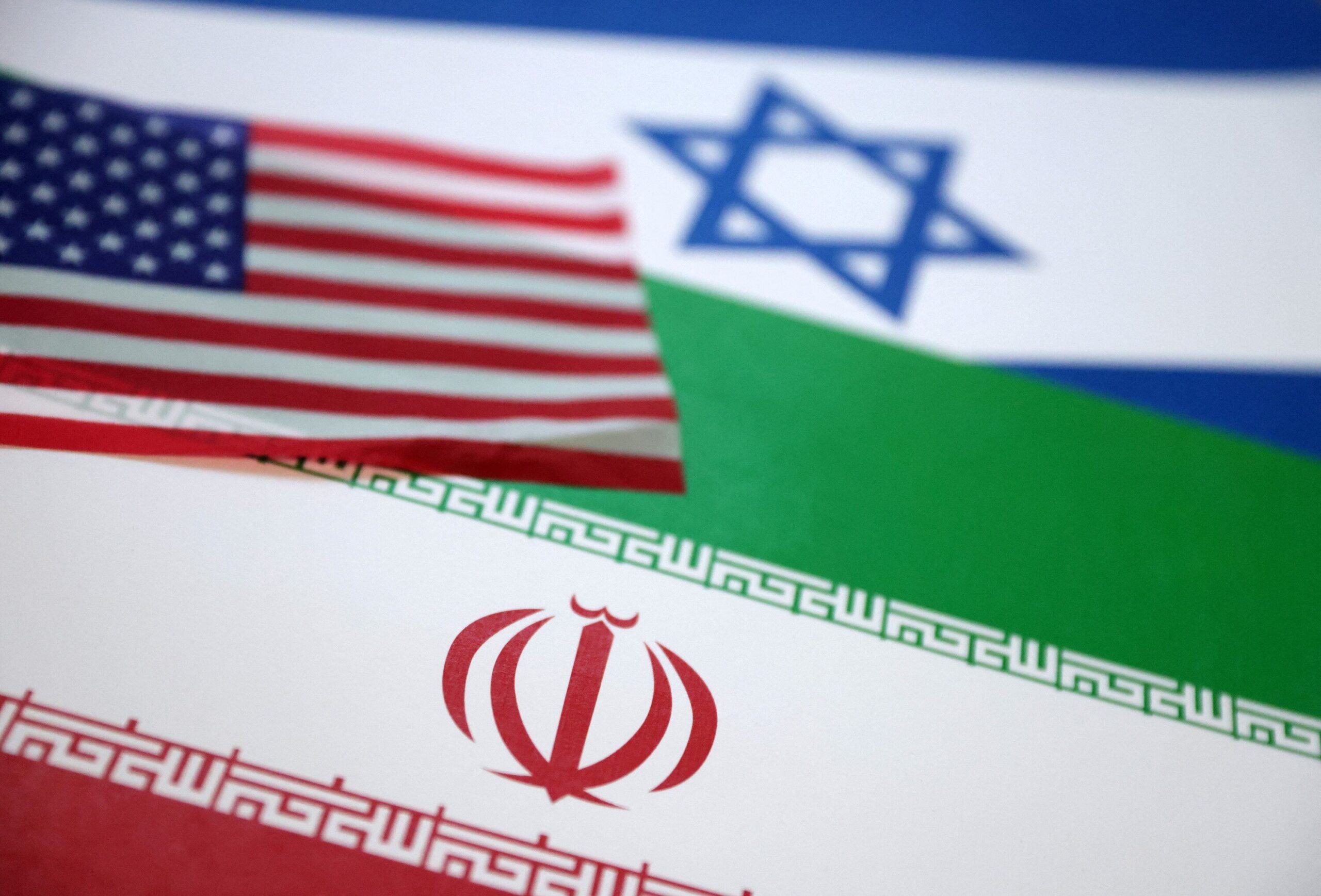
The growing military confrontation involving the United States, Israel, and Iran has evolved into one of the most significant geopolitical crises affecting the global economy in recent years. While the conflict is primarily unfolding in the Middle East, its economic repercussions extend far beyond the region. Modern global markets are deeply interconnected through energy trade, supply chains, financial systems, and international investment flows. As a result, any escalation of military tension in a strategically important region such as the Middle East immediately sends shockwaves through the global economy. Economists and policy analysts increasingly warn that a prolonged confrontation between these powerful actors could reshape energy markets, disrupt trade networks, intensify inflation, and slow economic growth across multiple continents.
One of the most immediate economic impacts of the conflict is visible in global energy markets. The Middle East remains the center of the world’s oil supply, accounting for a significant share of global petroleum exports. Iran itself possesses some of the largest proven oil and natural gas reserves in the world, and the surrounding Gulf region hosts major producers such as Saudi Arabia, the United Arab Emirates, Kuwait, and Iraq. When military tensions rise in this region, investors and traders immediately anticipate potential disruptions to supply. Even before physical disruptions occur, the fear of instability is often enough to drive oil prices upward. Energy markets are particularly sensitive to geopolitical risk, and the prospect of attacks on oil infrastructure, shipping routes, or energy facilities creates uncertainty that pushes prices higher.
The strategic importance of the Strait of Hormuz further intensifies these concerns. This narrow maritime corridor between Iran and Oman serves as one of the most critical chokepoints in global energy transportation. Approximately one-fifth of the world’s oil shipments pass through this route every day. Any threat to shipping in the Strait of Hormuz—whether through naval confrontation, blockades, or attacks on tankers—could disrupt the steady flow of energy supplies to global markets. Even temporary disruptions would create immediate shortages and sharp price increases. For energy-importing economies in Asia and Europe, such instability poses a serious economic risk. Oil price spikes tend to ripple through the entire global economy because energy is a foundational input for transportation, manufacturing, agriculture, and logistics.
Rising energy prices inevitably translate into broader inflationary pressures. When oil becomes more expensive, the cost of producing and transporting goods increases across multiple sectors. Airlines must pay more for jet fuel, shipping companies face higher fuel costs, and manufacturers encounter rising expenses in their supply chains. These increases eventually reach consumers in the form of higher prices for food, transportation, electricity, and everyday household goods. For many economies that have only recently begun recovering from pandemic-related inflation, a new energy-driven price surge presents a serious challenge. Central banks may be forced to maintain higher interest rates for longer periods in order to contain inflation, which in turn slows investment, housing markets, and consumer spending.
The economic impact is particularly complex for developing countries. Many emerging economies rely heavily on imported energy, making them especially vulnerable to oil price shocks. When fuel prices rise sharply, governments in these countries face difficult fiscal choices. Some attempt to subsidize energy prices to protect citizens, which strains national budgets. Others allow prices to rise, which can trigger inflation, reduce household purchasing power, and increase poverty. In countries already dealing with debt burdens and currency instability, higher energy costs can quickly translate into broader economic crises.
Beyond energy markets, the conflict also threatens to disrupt global trade routes and supply chains. The Middle East sits at the intersection of several major maritime trade corridors linking Asia, Europe, and Africa. Shipping companies must navigate these waters to transport energy resources, manufactured goods, and raw materials across continents. As military tensions rise, shipping firms face increased security risks, higher insurance costs, and potential route disruptions. Insurance premiums for vessels traveling through conflict zones typically rise dramatically during periods of instability. In some cases, shipping companies may avoid certain routes entirely, forcing longer and more expensive journeys. These additional costs ultimately affect global trade prices and supply chain efficiency.
Financial markets also react strongly to geopolitical crises. Investors tend to shift capital toward safer assets when conflict risks increase. Gold prices often rise, government bonds become more attractive, and volatility in stock markets increases. Sectors linked to energy production may experience gains due to higher oil prices, while industries dependent on stable supply chains—such as manufacturing, aviation, and transportation—may face declines. Prolonged geopolitical instability can weaken investor confidence and delay corporate investment decisions. Businesses may postpone expansion projects, cross-border investments, or major infrastructure initiatives until geopolitical conditions stabilize.
The economic consequences of the conflict are not distributed evenly across countries. For oil-exporting nations, higher energy prices can generate additional revenue in the short term. Countries such as Saudi Arabia and other Gulf producers may benefit financially from rising oil prices. However, even these gains come with risks, as regional instability can threaten infrastructure, investment flows, and long-term economic planning. For oil-importing economies, the situation is far more challenging. Major economies in Asia—including China, India, Japan, and South Korea—depend heavily on energy imports from the Middle East. A disruption in energy supply could slow industrial production, increase inflation, and reduce economic growth.
The United States faces a more complex economic picture. While the country has become one of the world’s largest energy producers, it is still affected by global oil price fluctuations. Higher energy costs influence transportation, consumer prices, and industrial production. American households may feel the effects through rising gasoline prices and higher costs of goods and services. At the same time, geopolitical instability can influence financial markets and investor confidence, potentially slowing broader economic growth.
European economies are also highly sensitive to energy disruptions. After the energy crisis triggered by the war in Ukraine, many European countries have already been struggling to secure stable energy supplies. Another geopolitical shock affecting oil and gas markets could place additional strain on European industries and households. High energy prices can reduce industrial competitiveness, increase inflation, and slow economic recovery.
If the conflict between the United States, Israel, and Iran expands further, economists warn that the global economy could face a more serious slowdown. A prolonged disruption of energy supplies combined with rising inflation could create conditions similar to the energy crises of the 1970s, when oil shocks triggered global recessions and widespread economic instability. In the modern globalized economy, such disruptions could spread even more rapidly across interconnected financial and trade networks.
Ultimately, the economic implications of the conflict highlight the importance of diplomatic engagement and conflict resolution. Modern economies rely on stable trade routes, predictable energy supplies, and investor confidence. When geopolitical conflicts threaten these foundations, the consequences extend far beyond the battlefield. Governments, international organizations, and diplomatic institutions therefore face growing pressure to prevent escalation and seek peaceful solutions.
The war involving the United States, Israel, and Iran serves as a reminder that geopolitical conflicts are not confined to regional politics. They shape the functioning of global markets, influence economic stability, and affect the daily lives of millions of people around the world. As the situation continues to evolve, the global community faces a critical challenge: preventing military escalation while safeguarding the fragile balance of the world economy.