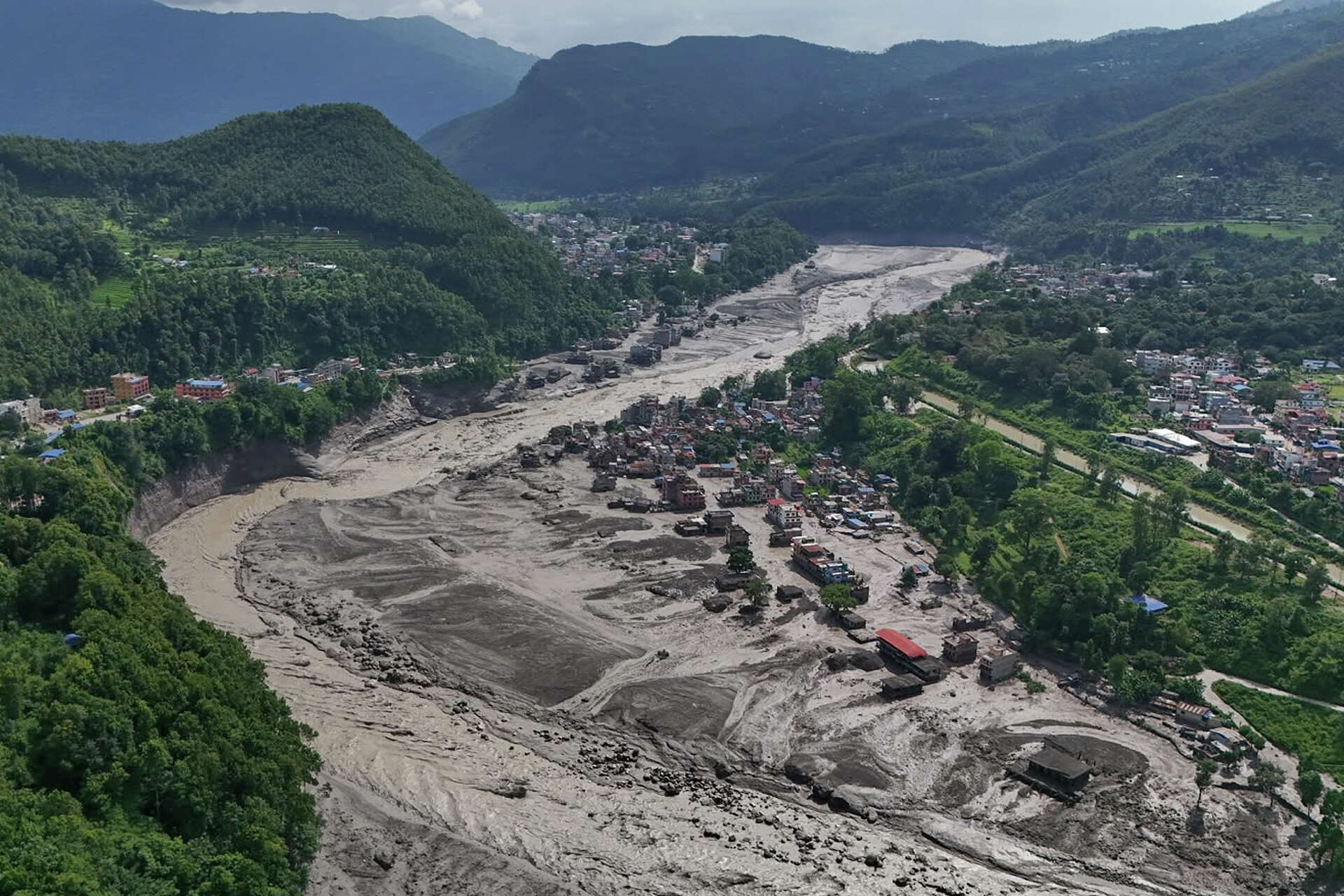
Himalayan glaciers are melting at an unprecedented rate, raising serious concerns about the future of Asia’s major river systems — particularly the Indus, Ganga, and Brahmaputra basins. These rivers serve as lifelines for more than 650 million people, supporting agriculture, drinking water supply, hydropower generation, and regional economies. Scientists now warn that the accelerating loss of glaciers in the Hindu Kush Himalaya (HKH) region could significantly disrupt both seasonal water availability and long-term river flows, with far-reaching consequences for South Asia and beyond.
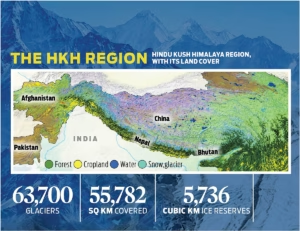
The HKH region, often called the “Third Pole” due to its vast ice reserves, contains more than 63,700 glaciers spread across approximately 55,782 square kilometers. These glaciers store an estimated 5,736 cubic kilometers of ice and feed at least ten major river systems that sustain nearly two billion people. Satellite-based research and long-term observations show that between 1990 and 2020, glaciers in this region lost around 12 percent of their total area and about 9 percent of their ice reserves. This rapid decline highlights the growing vulnerability of one of the world’s most critical freshwater sources.
The Indus, Ganga, and Brahmaputra basins alone account for over 74 percent of the glacier area within the HKH region, making them particularly at risk. These basins have recorded some of the largest absolute losses in glacier coverage over the past three decades. Glaciers in these systems play a crucial role in regulating water flow by acting as natural reservoirs, releasing meltwater during dry seasons. However, as glaciers shrink, this buffering capacity is being compromised. In the short term, increased melting may lead to higher river flows and flooding, but in the long term, it is expected to reduce water availability, especially during critical agricultural seasons.
The impact of glacier loss extends beyond water supply. Agriculture, which depends heavily on predictable river flows, faces growing uncertainty. Hydropower generation, a key energy source in countries such as Nepal, Bhutan, and India, is also under threat due to fluctuating water levels. These changes could affect food security, energy stability, and economic development across the region.
Scientific studies show that glacier retreat is not uniform. Smaller glaciers, particularly those less than 0.5 square kilometers in size, are shrinking more rapidly than larger ones. These smaller glaciers are often located on steeper slopes and are more sensitive to rising temperatures and changing precipitation patterns. While larger glaciers may appear more stable in the short term, they are increasingly vulnerable to long-term climate trends. The Karakoram range, home to some of the region’s largest glaciers, has shown mixed patterns, but experts warn that long-term risks remain significant.
Geographically, the most severe percentage losses have been observed in the eastern parts of the Himalayas, including the Hengduan Shan and areas of the eastern Tibetan Plateau, where some regions have lost up to 30 percent of their glacier area in just three decades. Meanwhile, the central and western Himalayas have experienced the highest total volume of glacier loss due to their extensive ice coverage. Most of this retreat is occurring below 6,000 meters above sea level, directly affecting seasonal water flow and long-term river discharge.
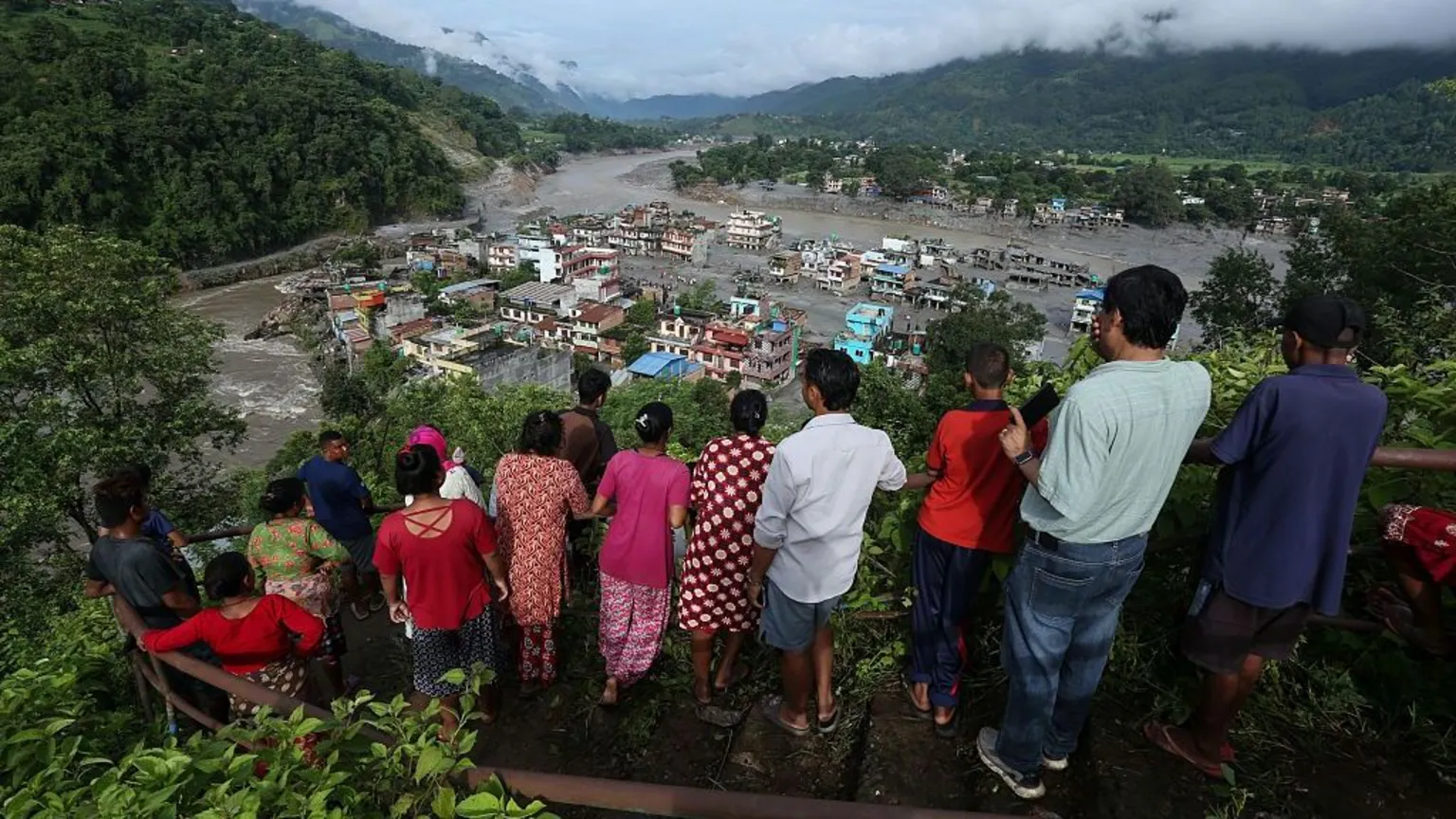
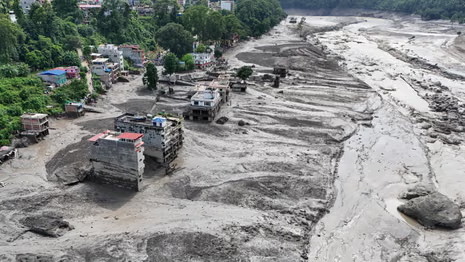
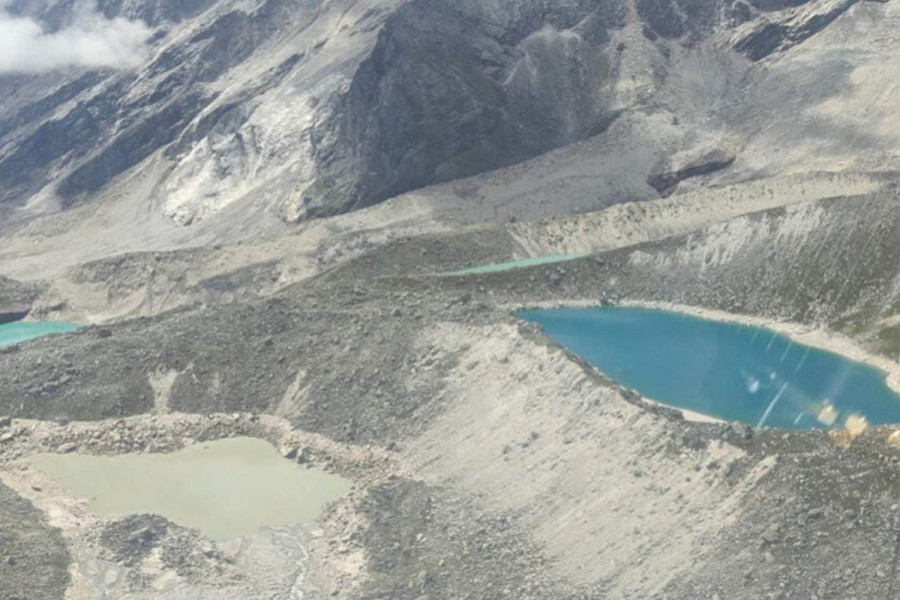
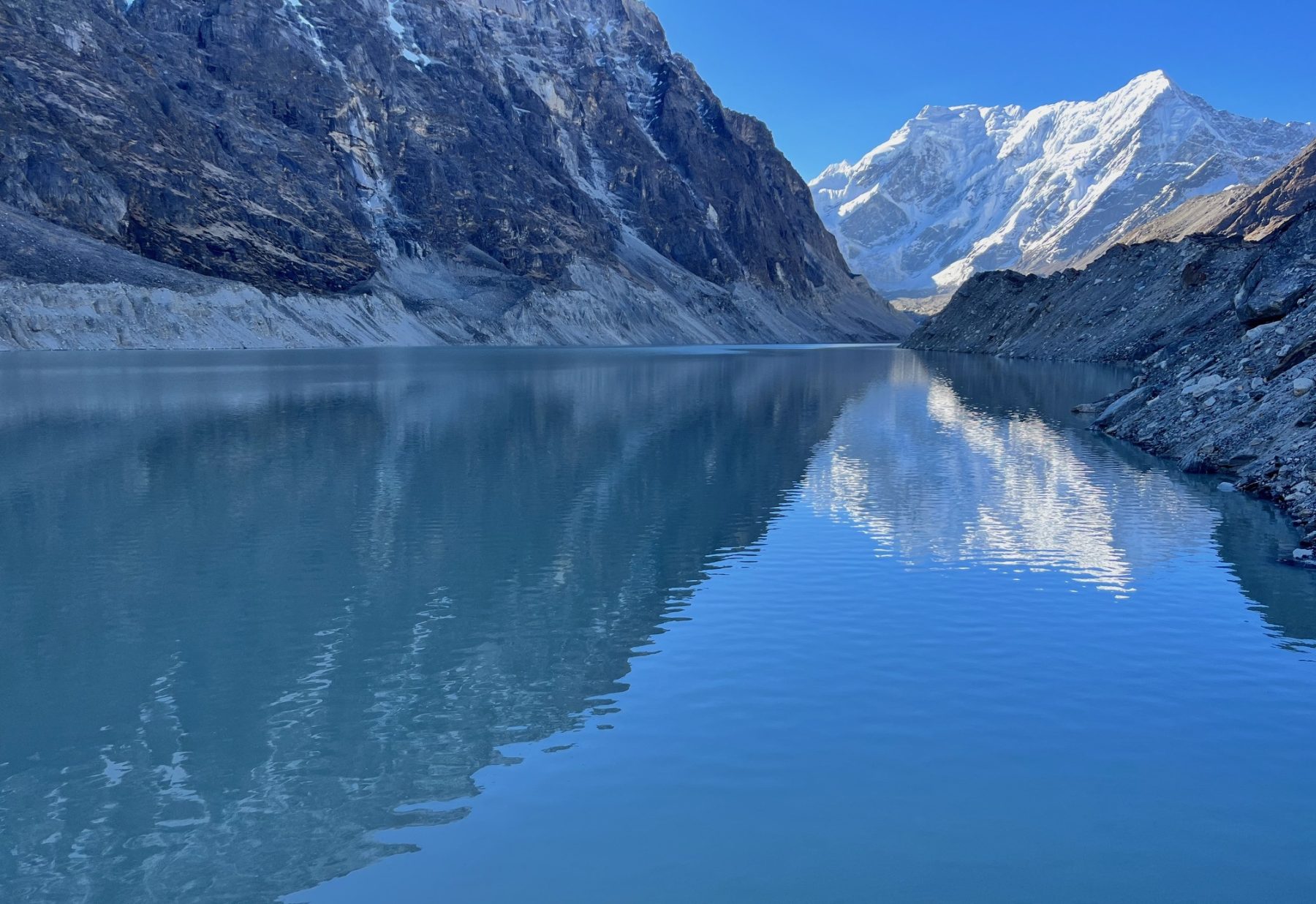
Another major concern is the increasing risk of glacial hazards. As glaciers melt, they form and expand glacial lakes, which can suddenly burst and cause catastrophic floods known as glacial lake outburst floods (GLOFs). These events pose serious threats to downstream communities, infrastructure, and ecosystems. Several such incidents have already occurred in the Himalayan region, highlighting the urgent need for improved monitoring and early warning systems.
Long-term scientific measurements reveal that most Himalayan glaciers are experiencing a negative mass balance, meaning they are losing more ice than they are gaining. This trend has intensified significantly since 2000, with studies showing that glacier mass loss has nearly doubled compared to the late 20th century. Current estimates suggest that glaciers are losing mass at an average rate equivalent to about 9 centimeters of water per decade, indicating a rapid depletion of ice reserves.
Despite the scale of the crisis, monitoring remains limited. Out of tens of thousands of glaciers in the HKH region, only a small number have been consistently studied through long-term field observations. Many monitoring programs have been discontinued, leading to gaps in data and inconsistencies in research. This lack of comprehensive information makes it difficult to accurately assess future risks and develop effective policies.
The primary driver of this accelerated glacier loss is human-induced climate change. Rising global temperatures, shifting precipitation patterns, and increasing frequency of extreme weather events are all contributing to the rapid retreat of glaciers. The Himalayan region is warming faster than the global average, making it particularly vulnerable to climate impacts.
Given that the HKH region spans multiple countries — including Nepal, India, China, Pakistan, Bhutan, and Afghanistan — addressing this crisis requires strong regional cooperation. Experts emphasize the need for expanded monitoring systems, improved scientific collaboration, data sharing across borders, and the development of climate adaptation strategies. Without coordinated efforts, the continued loss of Himalayan glaciers could severely impact water security, food systems, and economic stability for billions of people.
The ongoing transformation of the Himalayan cryosphere represents one of the most urgent environmental challenges of our time. As glaciers continue to shrink, the consequences will extend far beyond the mountains, affecting entire regions that depend on these rivers for survival. The situation underscores a critical reality: protecting Himalayan glaciers is not only an environmental necessity but also essential for sustaining life and livelihoods across Asia.