

Think Meditation Is “Woo-Woo”? Science Says Otherwise
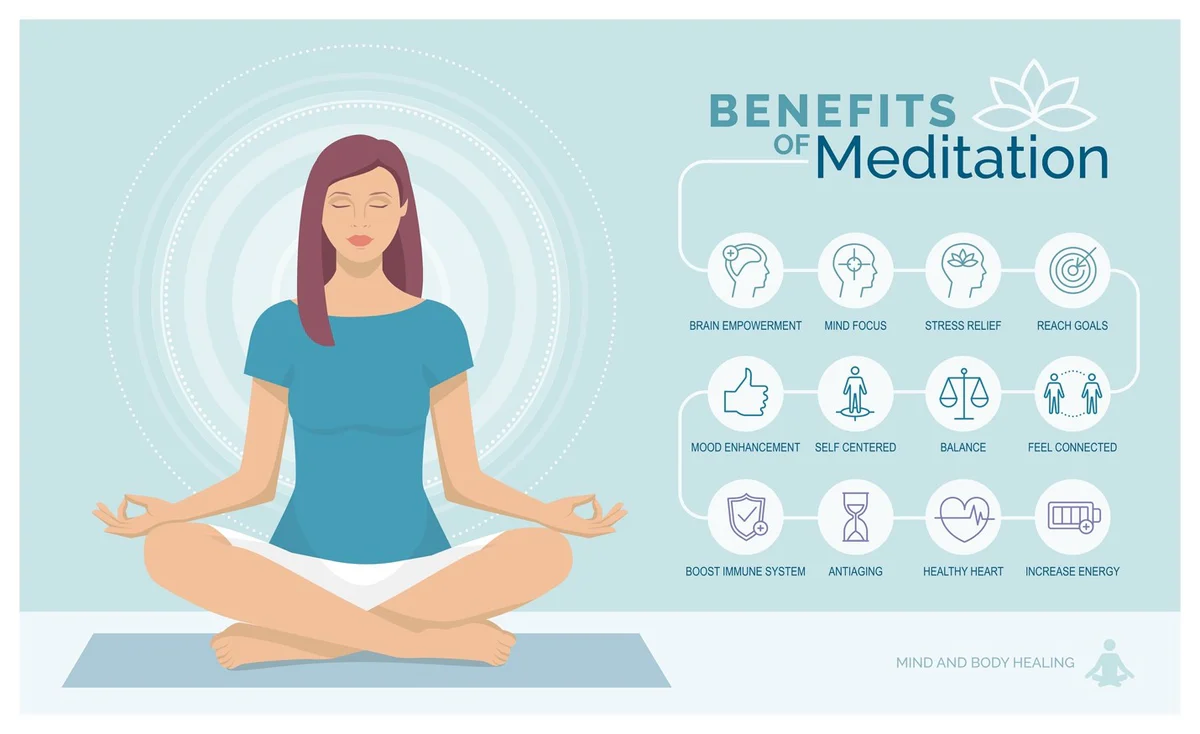
Some people swear by meditation. Others dismiss it as a little too “out there.” But what if we told you it’s actually a powerful, science-backed way to train your brain—making it calmer, sharper, and more resilient?
Yes, meditation physically changes your brain.
“Meditation can actually create structural changes in the brain. It increases gray matter in regions linked to learning, memory, emotional regulation, and perspective,” says Mirela Loftus, MD, PhD, medical director at Newport Healthcare.
If meditation came in a pill, doctors would be prescribing it daily, says Gary Soffer, MD, an integrative medicine specialist at Yale Medicine.
Let’s break down what regular meditation does to your brain—and why it’s worth making time for.
Quick Look: How Meditation Reshapes Your Brain
Meditation changes your brain in some amazing ways:
-
Increases gray matter
-
Enhances brain connectivity
-
Alters brain waves
-
Boosts dopamine and serotonin (your feel-good chemicals)
These changes help you feel more focused, less stressed, and mentally sharper—ultimately improving your emotional balance and overall well-being.
What Daily Meditation Does to Your Brain
Scientific tools like EEGs and MRIs have confirmed what ancient wisdom has long known: meditation isn’t just relaxing—it’s transformative.
1. Builds Gray Matter
Research shows that meditation increases gray matter, especially in areas tied to memory, learning, and emotional control.
2. Strengthens the Prefrontal Cortex
This part of the brain helps with focus, decision-making, and self-awareness. Regular meditation thickens this region and enhances neural pathways, boosting mental clarity.
3. Enhances Neuroplasticity
Meditation improves the brain’s ability to rewire itself—supporting learning, flexibility, and emotional regulation.
4. Boosts Dopamine and Serotonin
These brain chemicals regulate mood, sleep, appetite, and well-being. Meditation has been shown to naturally increase their levels.
5. Alters Brain Waves
Meditation shifts your brain into more relaxed and alert states. Advanced practitioners often exhibit more gamma waves—linked to insight, awareness, and deep learning.
6. Shrinks the Amygdala
This stress center of the brain becomes smaller with regular practice, helping to lower anxiety and reduce reactivity.
The Many Benefits of Meditation
Thanks to all these brain changes, meditation can improve:
-
Mood & emotional regulation
-
Focus, memory, and decision-making
-
Mindfulness & self-awareness
-
Sleep, relaxation, and stress levels
-
Symptoms of anxiety, depression, PTSD, and chronic pain
How to Start Meditating Daily
Meditation is simple—but building a habit takes intention. Here’s how to ease in:
-
Start small: Even 5 minutes a day can make a difference.
-
Pick your time: Morning, lunch break, or bedtime—choose what suits your rhythm.
-
Create your space: A quiet chair, cozy nook, or porch swing can be your sanctuary.
-
Set the mood: Soothing music, dim lights, or a candle can help you settle in.
-
Set an intention: Whether it’s stress relief or clarity, know why you’re sitting.
-
Use guided meditations: Apps and YouTube are great for beginners.
-
Focus on your breath: When your mind wanders, gently return to your breathing.
-
Reflect: After each session, pause and notice how you feel.
-
Be patient: Like any habit, it takes time. Keep showing up.
Meditation Styles to Try
1. Breath Awareness Meditation
Focus solely on your breathing. Inhale deeply, exhale slowly, and return to your breath when your mind drifts.
2. Body Scan Meditation
Lie down and bring awareness to each part of your body—from your toes to your head—relaxing as you go.
3. Loving-Kindness Meditation
Send kind wishes to yourself and others: “May I be happy. May you be safe.” Expand that love to the whole world.
4. Walking Meditation
Walk slowly and mindfully, tuning into the sensation of each step and the rhythm of your breath.
The Bottom Line
Meditation isn’t just a spiritual trend—it’s a scientifically supported way to reshape your brain and transform your life. You don’t need to be a monk. You just need a few minutes a day and a willingness to begin.
So take a deep breath, get comfortable, and give your brain the reset it deserves.