
Flash floods devastate Texas, killing 89 and prompting urgent rescue efforts, as scientists warn of the growing threat of extreme weather in a warming world.
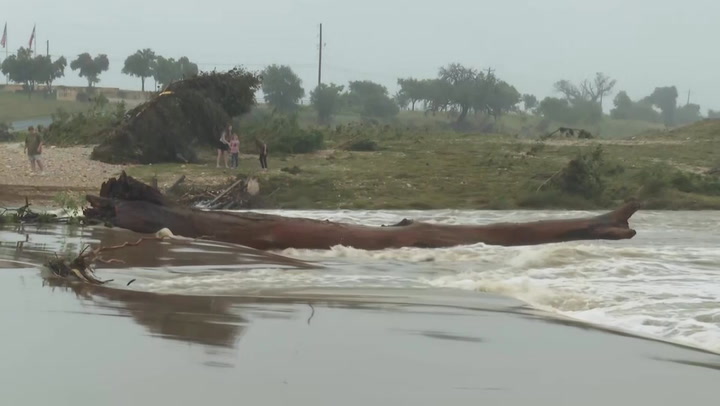
As catastrophic flash floods swept through central Texas this week, scientists are once again drawing attention to the clear link between global warming and extreme weather. Warmer air holds more moisture—about 7% more for every degree Celsius rise in temperature—which results in heavier rainfall during storms. This basic principle, discovered nearly two centuries ago, continues to fuel increasingly destructive weather events around the world. “This is exactly the kind of disaster we expect in a hotter world,” said Professor Bill McGuire, a climate hazards expert at University College London. “There has been an explosion in extreme weather in recent years, especially devastating flash floods from slow-moving, water-laden storms.”
The toll from the recent floods is staggering. The official death count across Texas has now reached 89, with Kerr County accounting for 75 of those fatalities. Among them were 27 children, most of them campers and staff from Camp Mystic, which was hit hardest by the sudden deluge. The area around the Guadalupe River remains the focus of a massive search and rescue operation, with ten campers and one counselor still unaccounted for.
Emergency crews have been working tirelessly, navigating difficult terrain and floodwaters as they search for the missing. Kerrville City Manager Dalton Rice described the efforts as complicated by rough landscapes, washed-out roads, and downed power lines. More than 40 power lines remain damaged, leaving large swaths of the region without electricity or communications. Rescue teams have been seen maneuvering through debris and flooded buildings in boats, inspecting every river bend with the hope of finding survivors.
At a press conference on Sunday, Senator Ted Cruz addressed the ongoing tragedy, calling the deaths at Camp Mystic “every parent’s nightmare.” He recounted the story of a camp counselor who held up mattresses to keep children afloat as the floodwaters rose to his neck. “Nothing will fill the void in these mums and dads’ hearts,” he said. Cruz also stated that President Donald Trump has pledged full federal support, telling him that “anything Texas needs—the answer is yes.”
In the aftermath of the flooding, public concern has grown over whether the state’s emergency alert systems were adequate. Some critics pointed to recent budget cuts to the National Weather Service by the Department of Government Efficiency (Doge), led by Elon Musk. Cruz pushed back, saying that the NWS had three additional staff members working during the event and insisted this was “not a time for partisan finger-pointing.” Homeland Security Secretary Kristi Noem also stated that, while the NWS system remains outdated, it did function properly during the storm. She emphasized that under Trump’s administration, efforts to modernize it are underway.
City Manager Rice highlighted the challenges responders are facing, including spotty cell service in many affected areas, which has made it harder to track missing persons and communicate with families. He also warned of heartless scammers contacting grieving families and falsely claiming to have their missing children in exchange for ransom money. “It is heartbreaking,” he said.
Meanwhile, flash flood warnings remain active in several counties, including Burnet, Llano, Lampasas, Mills, McCulloch, Brown, and San Saba. More rain is expected, and officials fear that worsening weather could hinder rescue and recovery efforts.
As Texas mourns its dead and communities begin the long process of rebuilding, climate scientists continue to warn that such events are only becoming more frequent in a warming world. “This isn’t just about Texas,” Professor McGuire emphasized. “It’s about what the future looks like for all of us if we don’t act swiftly on climate.”