
When Global Warming Brings More Snow: Understanding a Climate Paradox
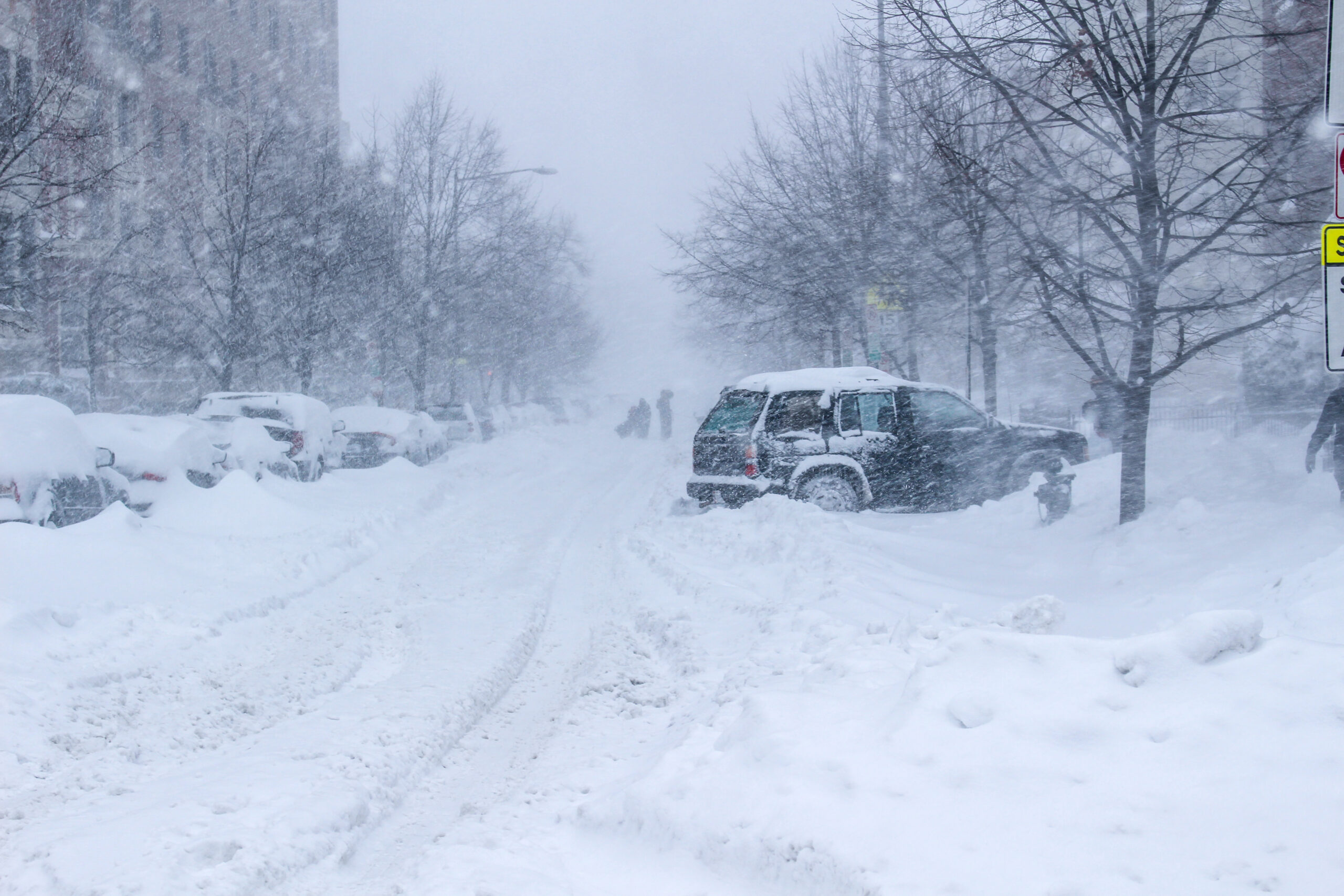
At first glance, the idea that global warming can produce more snow appears contradictory. Snow is associated with freezing temperatures, while warming suggests melting and loss. Yet climate science shows that in certain regions and under specific atmospheric conditions, a warming planet can intensify snowfall. This apparent paradox does not disprove global warming; rather, it reflects the complex ways in which rising temperatures reshape the Earth’s hydrological and atmospheric systems.
The key to understanding this phenomenon lies in basic physics. According to the Clausius–Clapeyron relationship, warmer air can hold more moisture. For every 1°C rise in temperature, the atmosphere can retain roughly 7 percent more water vapor. As global temperatures increase, evaporation from oceans, lakes, and soils accelerates, loading the atmosphere with additional moisture. When winter storms develop in regions where surface temperatures remain below freezing, this extra moisture can fall as heavier snowfall rather than rain. In other words, warming enhances the atmosphere’s capacity to produce intense precipitation events, including snow, as long as temperatures are still cold enough.
This effect is particularly visible in regions influenced by large bodies of water. Around North America’s Great Lakes, for example, rising lake temperatures and reduced ice cover have extended the season of open water. When cold Arctic air masses sweep across these relatively warm lakes, they absorb significant moisture, which then falls as intense lake-effect snow downwind. Communities in western New York and parts of Ontario have experienced extreme snowfall events linked to this mechanism. However, scientists caution that this increase may be temporary; if winter temperatures rise too high, precipitation will shift from snow to rain.
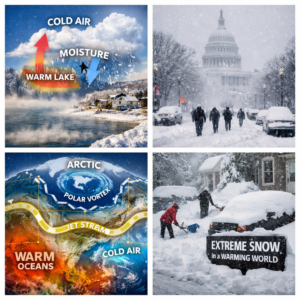
Global warming also disrupts large-scale atmospheric circulation patterns. The Arctic is warming significantly faster than the global average, a phenomenon known as Arctic amplification. As sea ice declines, the temperature contrast between the Arctic and mid-latitudes weakens, potentially altering the jet stream. A more meandering jet stream can allow cold Arctic air to spill southward for extended periods. When such cold outbreaks interact with moisture-rich storm systems fueled by warmer oceans, they can generate powerful snowstorms in regions that still experience freezing temperatures.
Warmer oceans further intensify winter storms by providing additional heat energy and moisture. As sea surface temperatures rise, evaporation increases, and storm systems gain strength through the release of latent heat during condensation. This added energy can deepen low-pressure systems and enhance precipitation rates. In cold environments, this translates into heavier snowfall totals. Some of the most intense winter storms in recent decades have occurred in a climate that is, on average, warmer than in the past.
Nevertheless, the increase in extreme snowfall events does not contradict the broader trend of declining snow cover. While certain regions may temporarily experience heavier snowstorms, global observations show that snow seasons are generally becoming shorter. Snow melts earlier in spring, mountain snowpack is decreasing in many areas, and Arctic snow cover duration is declining. In regions where winter temperatures hover near freezing, even a small increase in average temperature can shift precipitation from snow to rain, reducing overall snow accumulation.
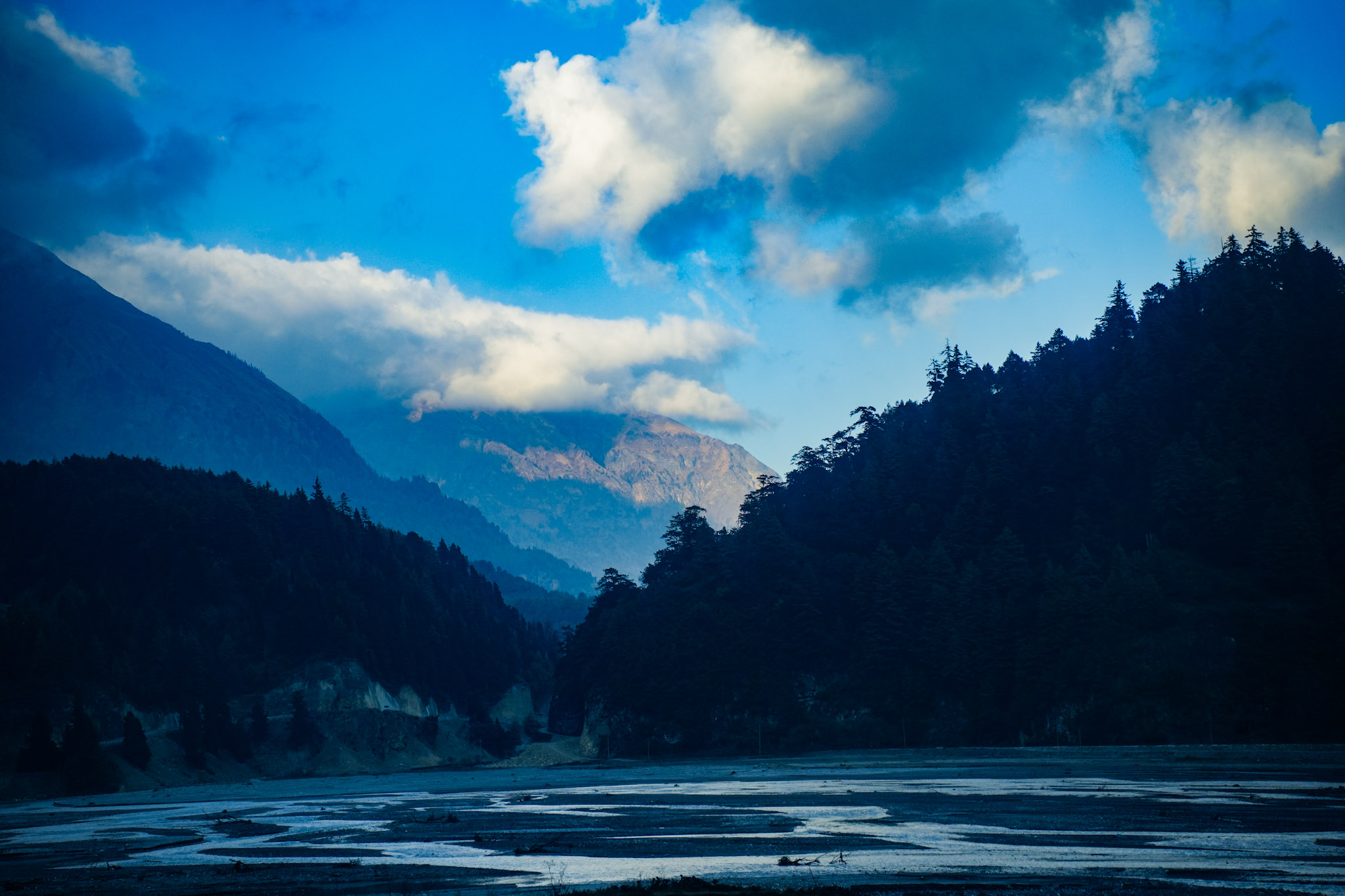
The Himalayan region illustrates the complexity of this transition. At very high elevations, warmer air can carry more moisture and occasionally produce intense snowfall events. Yet at lower elevations, rising temperatures increasingly cause winter precipitation to fall as rain rather than snow. This shift affects glacier health, seasonal water availability, and downstream communities that depend on snowmelt for agriculture and hydropower. Thus, warming may initially bring heavier snow at the highest peaks, even as it threatens long-term cryospheric stability.
The broader lesson is that climate change does not produce simple, uniform outcomes. It intensifies the water cycle, alters atmospheric circulation, and redistributes precipitation in ways that can appear counterintuitive. Heavy snowstorms in a warming world are not evidence against global warming; they are part of a more energetic and moisture-laden climate system. Over time, however, continued warming is expected to reduce the total extent and duration of snow cover globally.
In this sense, the image of a warming planet buried in snow is not a contradiction but a transitional symptom of climatic imbalance. As the Earth warms, the atmosphere becomes more dynamic, capable of producing both heavier rains and heavier snows. Understanding this complexity is essential for policymakers, scientists, and communities preparing for a future in which extremes of heat, drought, rainfall, and snowfall become increasingly pronounced.

Shechen Center New York Opens, Bringing a Living Buddhist Lineage to the Heart of New York City
1 week ago