
Nepal Celebrates 72nd Anniversary of Historic Everest Ascent on International Everest Day
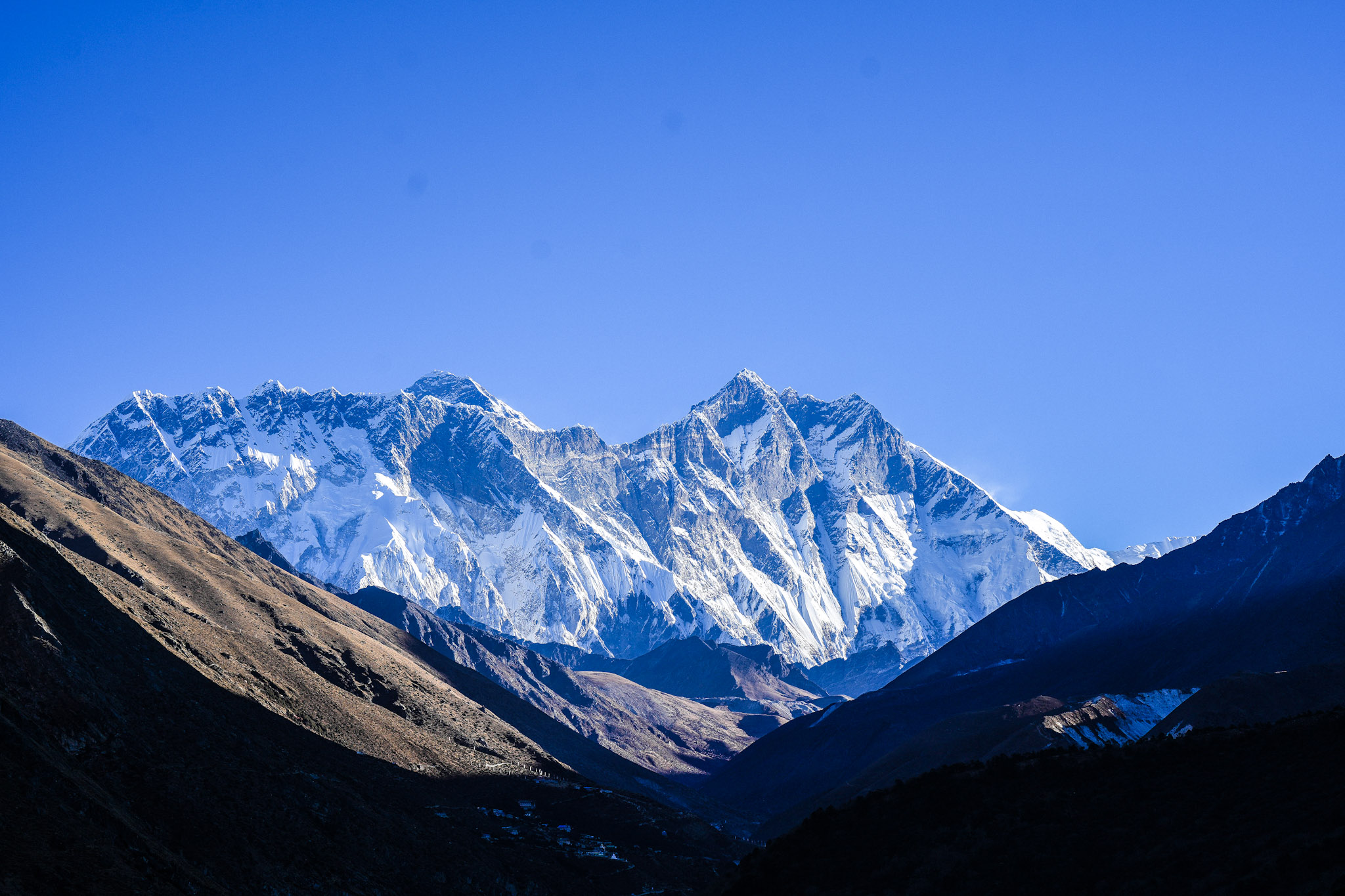
KATHMANDU, Nepal — Nepal’s mountaineering and tourism sectors came together on Thursday to mark the 72nd anniversary of the first successful ascent of Mount Everest, celebrating the occasion as International Everest Day. The annual event commemorates the historic achievement of Sir Edmund Hillary of New Zealand and Tenzing Norgay Sherpa of Nepal, who became the first climbers to reach the summit of the world’s highest peak on May 29, 1953.
The capital city, Kathmandu, hosted a vibrant program featuring a city rally, cultural performances, and a formal gathering at Hanuman Dhoka, the historic royal palace. The celebration brought together mountaineers, high-altitude guides, government officials, tourism professionals, and members of the public in recognition of Nepal’s central role in global mountaineering.
The annual event honors the contributions of climbers and guides, highlighting the significance of Mount Everest, locally known as Sagarmatha and Chomolungma, as a symbol of courage, endurance, and international cooperation. It also underscores the importance of the mountain to Nepal’s economy, culture, and global identity.
Nepal is home to eight of the world’s 14 peaks over 8,000 meters, making it one of the most popular destinations for high-altitude expeditions. The spring climbing season, which typically runs from April through the end of May, is the busiest period for mountaineering activities in the country. With relatively stable weather preceding the arrival of the monsoon, this window presents climbers with the best opportunity to reach Himalayan summits, including Everest.
By the end of May 2025, Nepal’s Department of Tourism had issued 468 permits to foreign climbers from 57 countries to attempt Mount Everest. A roughly equal number of Nepali support staff, primarily Sherpa guides, cooks, and porters, accompanied the climbers, helping them navigate the treacherous route and manage logistical operations on the mountain.
The conclusion of the Everest Day celebration also marked the official end of the spring mountaineering season. With the onset of the summer monsoon, expeditions wrap up and climbers begin to descend, while officials begin the process of verifying summit records and checking environmental compliance. Climbers are required to submit photographic or GPS proof of reaching the summit and to demonstrate that they have removed their waste, by Nepal’s mountaineering regulations.
One of the season’s highlights included a new record set by Kami Rita Sherpa, who summited Mount Everest for the 31st time, further establishing his status as the most accomplished Everest climber in history.
In recent years, Nepal has emphasized the dual goals of promoting tourism and protecting the fragile Himalayan environment. Everest Day serves as a platform to raise awareness about sustainable climbing practices, the importance of clean mountain campaigns, and the need for safe and responsible tourism in high-altitude regions.
As celebrations concluded in Kathmandu, International Everest Day once again highlighted the enduring legacy of the 1953 ascent, Nepal’s pivotal role in the world of mountaineering, and the ongoing efforts to balance tourism, cultural pride, and environmental stewardship in the Himalayas.