
Nepal’s Gen Z Protests: Anger, Unrest, and a Historic Turning Point
Roots of the Unrest
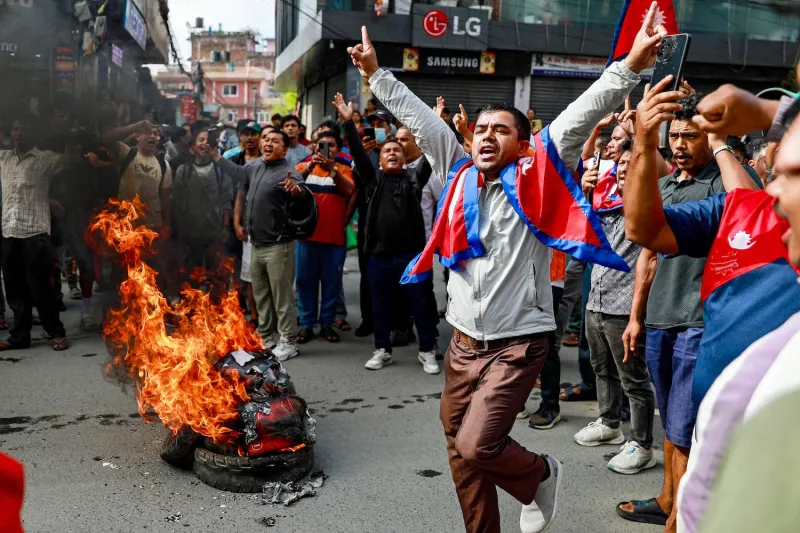
The recent protests in Nepal, led largely by Generation Z, began with the government’s decision to ban several major social media platforms, including Facebook, X, and YouTube. Officials claimed the platforms had failed to register with the government and comply with oversight requirements. While the ban was lifted within days, the demonstrations continued, revealing that the social media restrictions were only a spark.
Young Nepalis have long been frustrated by corruption, nepotism, and the dominance of political elites. The flaunting of wealth and influence by the so-called “nepo kids” of political families has become a powerful symbol of inequality. Many in Gen Z feel left behind in a society where opportunities are scarce, unemployment is high, and migration abroad often seems the only option. Their protests channeled these frustrations into a nationwide uprising.
The Protest of Gen Z
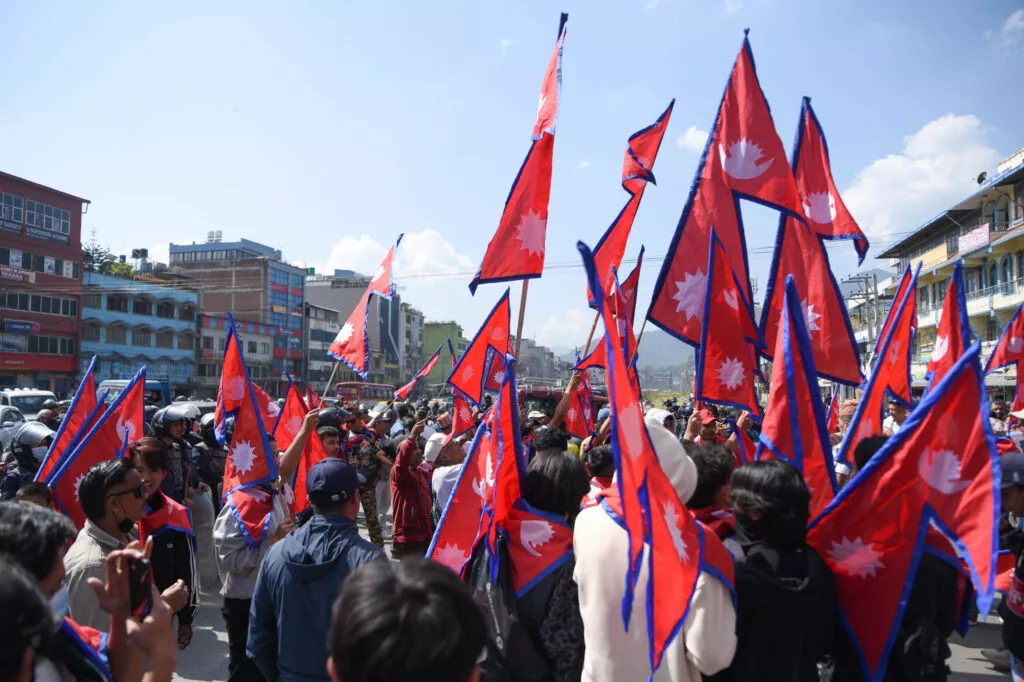
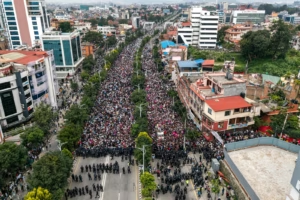
The demonstrations began peacefully, with thousands of young people, many in school uniforms, gathering in the streets of Kathmandu and other cities. Protesters carried placards reading “Shut down corruption, not social media” and “Unban social media.” Social media itself, ironically, became the very tool that mobilized students and youth in real time.
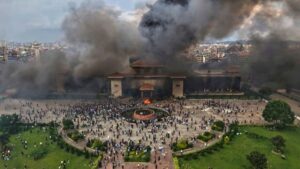
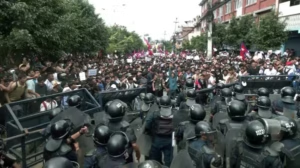
By midweek, tensions escalated. Crowds surged toward government buildings, breaking through barricades. Some protesters stormed the parliament and presidential residence, while others set fire to businesses and vehicles. Security forces initially used batons, tear gas, and water cannons, but later resorted to rubber bullets and live ammunition as violence spread.
Violence and Casualties
The human cost of the protests was devastating. According to Al Jazeera, at least 19 people were killed in the early clashes, including 17 in Kathmandu and two in Itahari. Hundreds were injured, among them both demonstrators and police officers. Hospitals in the capital reported being overwhelmed by gunshot wounds, fractures, and tear gas exposure.
Later accounts, including a Reuters report, placed the total death toll at 51 as the unrest continued throughout the week. This figure included protesters shot by security forces, three police officers killed in clashes, and several inmates who died during a prison riot in Kathmandu sparked by the turmoil.
Political Fallout
The violence quickly destabilized the government of Prime Minister K.P. Sharma Oli, who resigned on Tuesday after fleeing his official residence under military protection. The army imposed a strict curfew in Kathmandu, allowing residents only a few hours daily to buy food and supplies. Soldiers patrolled the streets as burned-out vehicles and charred government offices testified to the intensity of the clashes.
In response to the crisis, President Ram Chandra Poudel dissolved parliament and, in a historic move, appointed former Chief Justice Sushila Karki as interim prime minister—the first woman ever to lead Nepal. Karki’s reputation for integrity and her record of standing against corruption have raised hopes that she can stabilize the country and oversee credible elections scheduled for March 5.
Why Gen Z Took the Streets
Nepal’s Generation Z, those born roughly between the late 1990s and early 2010s, has grown up in a republic marked by political instability, unfulfilled promises, and economic stagnation. Unlike older generations, they are digital natives who rely heavily on social media not only for connection and entertainment but also for education, activism, and income generation. For them, the social media ban was not a regulatory measure—it was an attack on their voice and identity.
Their anger also stems from seeing political families accumulate wealth and pass power down to their children, while ordinary youths face unemployment and lack of opportunities at home. Many see migration as their only path forward, with hundreds of thousands leaving Nepal each year to work abroad. The protests thus expressed both generational outrage and a demand for accountability and fairness.
The Road Ahead
The appointment of Karki has momentarily calmed tensions, but deep challenges remain. The interim government must investigate the deaths of protesters, rebuild trust in state institutions, and prepare for elections in just a few months. Analysts warn that unless the structural issues of corruption, inequality, and youth exclusion are addressed, unrest could return.
As political analyst Gopal Sharma observed, “This is no longer about social media bans. It is about a younger generation demanding change, demanding an end to corruption and nepotism, and demanding a place in Nepal’s future.”
For now, the Protest of Gen Z has marked a turning point in Nepal’s democratic journey, forcing the nation to reckon with the aspirations of its youngest citizens.