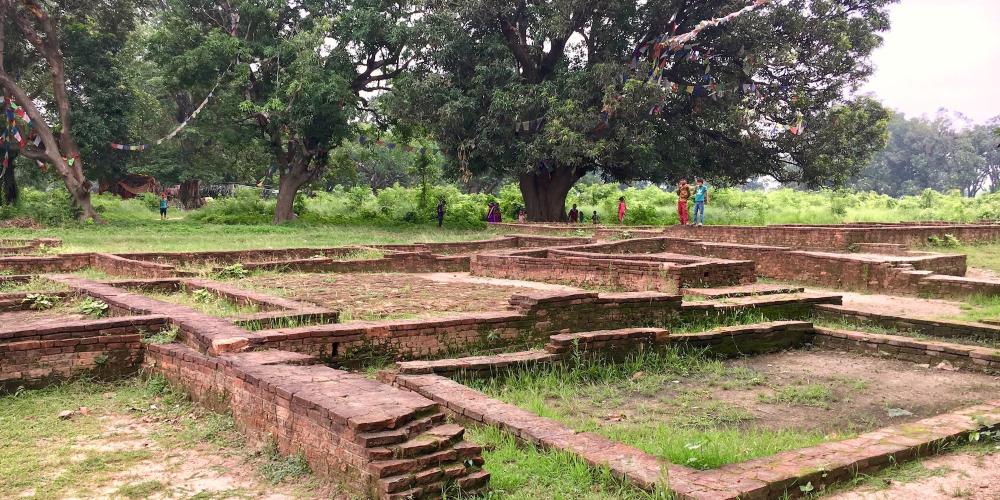
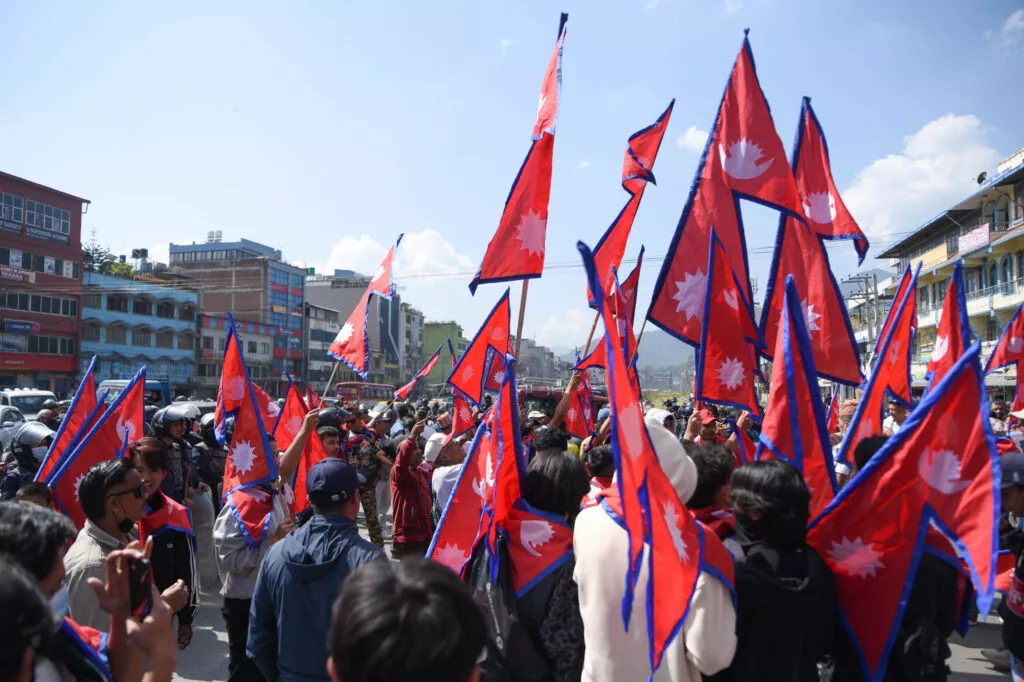
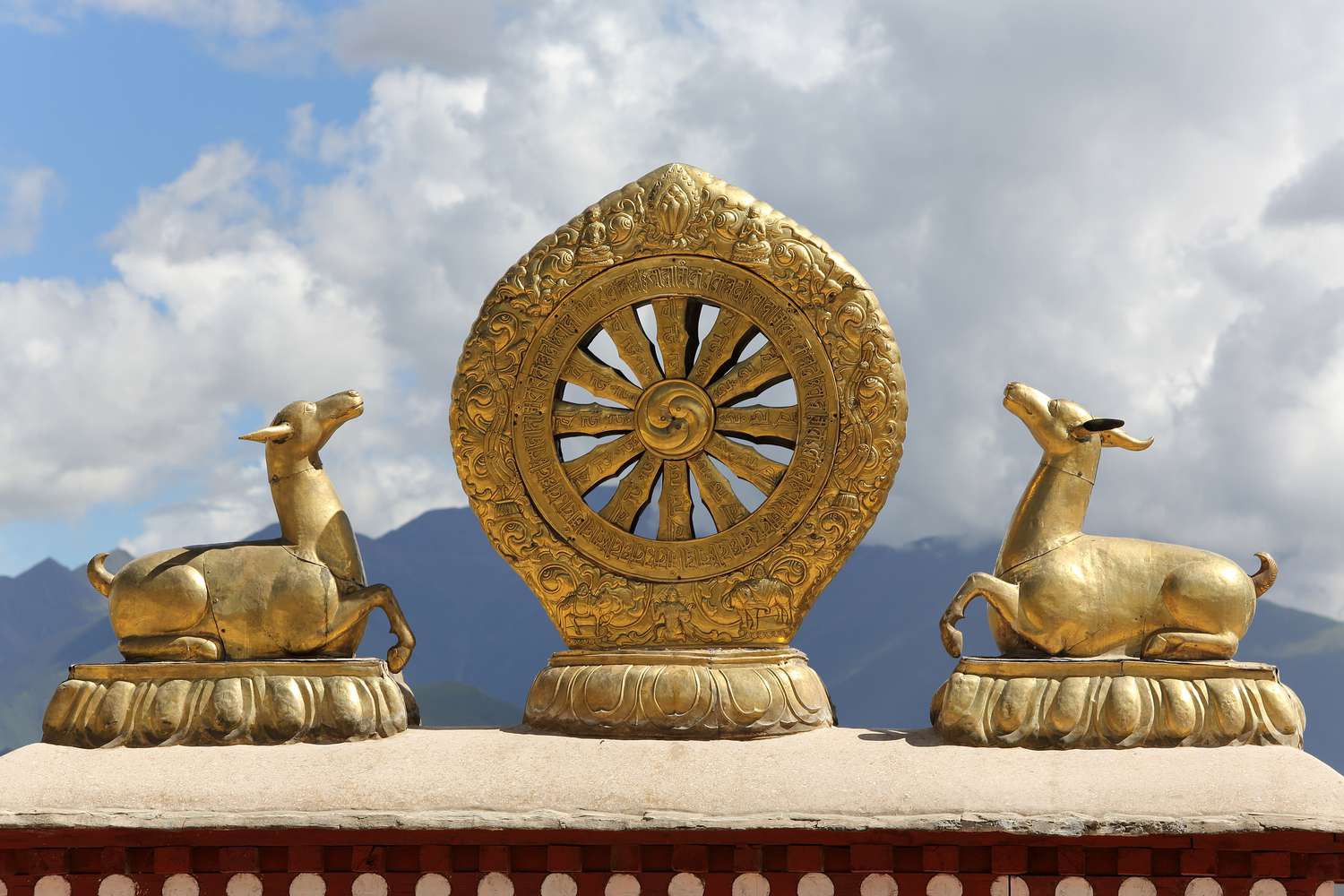
Nepal’s long-anticipated bid to secure UNESCO World Heritage status for Tilaurakot—the ancient Shakya capital where Siddhartha Gautam is believed to have spent his princely years before attaining enlightenment as the Buddha—has ended in disappointment. During the 47th session of the World Heritage Committee currently underway in Paris, France, the proposal to enlist Tilaurakot as a cultural World Heritage Site was deferred, following a recommendation by the International Council on Monuments and Sites (ICOMOS), UNESCO’s key advisory body on cultural heritage.
Despite over a decade of archaeological excavations, international scholarly consensus, and years of bureaucratic and diplomatic efforts, Nepal failed to garner sufficient support for Tilaurakot’s inclusion. The committee began deliberations on Friday and resumed discussions on Saturday morning, but no member country stepped forward with an amendment in Nepal’s favor—a gesture that could have turned the tide. In stark contrast, India’s Maratha Military Landscapes, which had also received a deferral recommendation from ICOMOS, was successfully inscribed on the World Heritage List after Japan submitted a supportive amendment. “This clearly shows the weakness of our diplomatic engagement,” said a senior official at Nepal’s Department of Archaeology, requesting anonymity.
Critics argue that Nepal’s heritage diplomacy lacked the coordination and conviction necessary for success. Although a delegation led by Culture Minister Badri Prasad Pandey was sent to Paris, officials admitted that the diplomatic groundwork was insufficient. “Other countries have succeeded through strong international coordination,” said Sanuraja Shakya, member secretary of the Lumbini Development Trust. “We didn’t have anyone lobbying hard for us in the final moment.”
Tilaurakot, located near the town of Kapilvastu in southern Nepal, is widely recognized by scholars as the ancient capital of the Shakya kingdom. Excavations led by archaeologist Robin Coningham of Durham University and others have uncovered structural remains, road systems, fortification walls, coins, and postholes that date as far back as the 8th century BCE. The urban layout corresponds closely with the accounts of ancient Chinese Buddhist pilgrims—Faxian in the 5th century and Xuanzang in the 7th—who both described a flourishing city believed to be Kapilvastu.
In January 2025, Nepal formally submitted the nomination dossier for Tilaurakot, prepared by Australian heritage expert Duncan Marshall, with support from Coningham, Kai Weise, Yukio Nishimura, Yani Joshi, and Basanta Bidari. Marshall had earlier prepared the successful dossier for the Kathmandu Valley’s World Heritage listing. However, ICOMOS identified several technical and structural shortcomings in the nomination. According to Himal Upreti, chief archaeology officer of the Lumbini Development Trust, “ICOMOS recommendations are extremely detailed and we were not fully prepared to address all of them. This needed more than just bureaucratic effort—it required coordinated, state-level political will.”
The failed bid has also reignited discussion around India’s geopolitical posture regarding the Buddhist heritage sites near the Nepal-India border. India, a powerful member of the World Heritage Committee, has long promoted Piprahwa and Ganwaria, two archaeological sites in Uttar Pradesh, as contenders for the ancient city of Kapilvastu, a view that competes with Nepal’s claim over Tilaurakot. “India’s quiet opposition complicates Nepal’s bid,” said Gopi Krishna Sharma of the Lumbini Development Trust. “We might have had better luck with a joint trans-boundary nomination including Tilaurakot, Piprahwa, and Ganwaria—honoring the shared Buddhist heritage of the region and avoiding a zero-sum competition.”
Such joint nominations are not unprecedented. The Wadden Sea, recognized by the Netherlands, Germany, and Denmark, and Victoria Falls, jointly inscribed by Zimbabwe and Zambia, are successful examples of trans-boundary World Heritage sites.
Local communities and experts who have invested significant time and resources into Tilaurakot’s preservation expressed dismay over the decision. “This site is the most intact early Buddhist urban center in South Asia,” said senior archaeologist Basanta Bidari. “The science is clear, and the history is undeniable. What we now need is better strategy, tighter documentation, and much stronger international engagement.”
UNESCO first placed Tilaurakot on its tentative World Heritage list in 1996, and since then, multiple efforts to upgrade its status have fallen short. The latest bid, revived in 2023 with renewed political interest, seemed promising—but has once again ended in frustration. Yet experts caution against despair. “Even Lumbini, the Buddha’s birthplace, was rejected twice before it was inscribed in 1997,” Bidari pointed out. “Persistence is essential. Tilaurakot will get there—it’s only a matter of time.”
The ongoing 47th session of the UNESCO World Heritage Committee, held from July 6 to July 16, is evaluating 32 sites from around the globe—including 24 cultural, 7 natural, and 1 mixed heritage nominations. While some countries have managed to push their sites through with diplomatic finesse, Nepal’s experience serves as a sobering reminder that heritage recognition depends not only on archaeological merit, but also on politics, diplomacy, and sustained international advocacy.
Meanwhile, the archaeological narrative of Tilaurakot continues to grow. Surveys since 2013 have unearthed profound evidence—494 ancient “punch-mark” coins found in an earthen pot in 2015; remnants of homes, walls, and wells in 2016; and structural post holes suggesting a sophisticated urban layout. These findings align closely with the descriptions by ancient Chinese pilgrims, further reinforcing Tilaurakot’s cultural authenticity.
Though the latest attempt has failed, the hope remains alive. For Nepal, Tilaurakot is not just an archaeological site—it is a civilizational legacy that deserves global recognition.