

Too Much Sleep Linked to Poorer Cognitive Performance, Especially in People with Depression
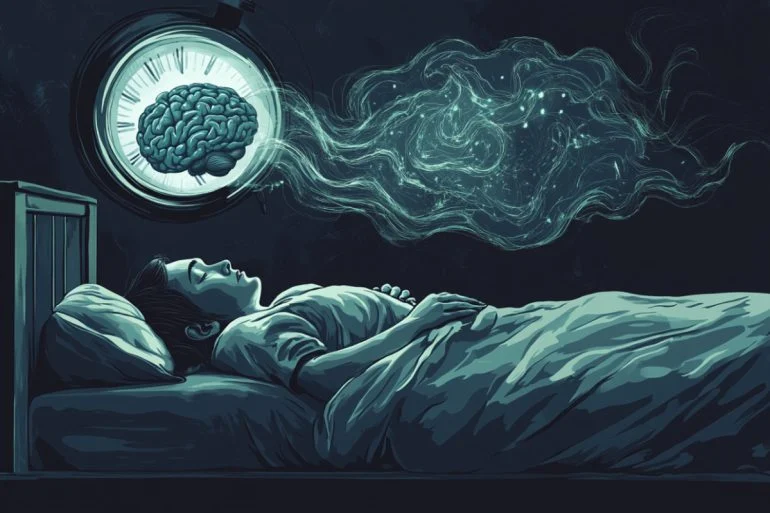
A new study led by researchers at The University of Texas Health Science Center at San Antonio suggests that sleeping nine or more hours per night may harm cognitive performance—particularly in individuals with depression.
The findings come from an analysis of 1,853 participants in the long-running Framingham Heart Study, which tracks the health of residents in Framingham, Massachusetts. All participants were free of dementia and stroke, and ranged in age from 27 to 85, with an average age of nearly 50.
Sleep and Cognitive Decline
“People who slept longer tended to perform worse on cognitive tests,” said Vanessa Young, MS, the study’s lead author and a researcher at the Glenn Biggs Institute for Alzheimer’s and Neurodegenerative Diseases at UT Health San Antonio. “We also found that long sleepers were more likely to report symptoms of depression. This suggests sleep could be a modifiable risk factor for cognitive decline, especially in individuals with depression.”
Published on April 21 in Alzheimer’s & Dementia: The Journal of the Alzheimer’s Association, the study is titled “Long sleep duration, cognitive performance, and the moderating role of depression: A cross-sectional analysis in the Framingham Heart Study.” Co-authors also hail from institutions including Arizona State University, Boston University, the University of Montreal, and Monash University in Australia.
Depression Makes the Link Stronger
Sudha Seshadri, MD, founding director of the Biggs Institute and senior author of the study, explained that long—but not short—sleep duration was linked to poorer performance across various cognitive functions, including memory, visuospatial skills, and executive functions. “These associations were significantly stronger in individuals with depressive symptoms, whether or not they were taking antidepressants,” she said.
The Bigger Picture: Sleep and Brain Health
Sleep is increasingly recognized as critical to brain health, with both too little and too much sleep associated with increased risks of cognitive impairment and Alzheimer’s disease. The Global Council on Brain Health recommends 7–8 hours of sleep per night for adults.
However, the relationship between sleep and cognition isn’t always straightforward. Factors such as age and mental health—especially depression—can influence outcomes. Depression is itself a known risk factor for cognitive decline and is often linked with disrupted sleep. In fact, up to 90% of people with depression report sleep disturbances.
Study Insights
To explore how depression might impact the link between sleep duration and cognitive function, participants were divided into four groups based on depressive symptoms and antidepressant use. The most significant cognitive deficits were seen in long sleepers with depressive symptoms, regardless of whether they were taking antidepressants. Even participants without depressive symptoms who slept excessively showed a weaker but still significant cognitive decline. Interestingly, those using antidepressants without depressive symptoms did not show significant associations.
What Comes Next
The researchers emphasize the need for future longitudinal studies using diverse and large-scale approaches to better understand how sleep disturbances contribute to cognitive decline over time.
Source: Daily Science