
Everest Records 135 Summits in a Single Day Amid Growing Risks and Rising Winds
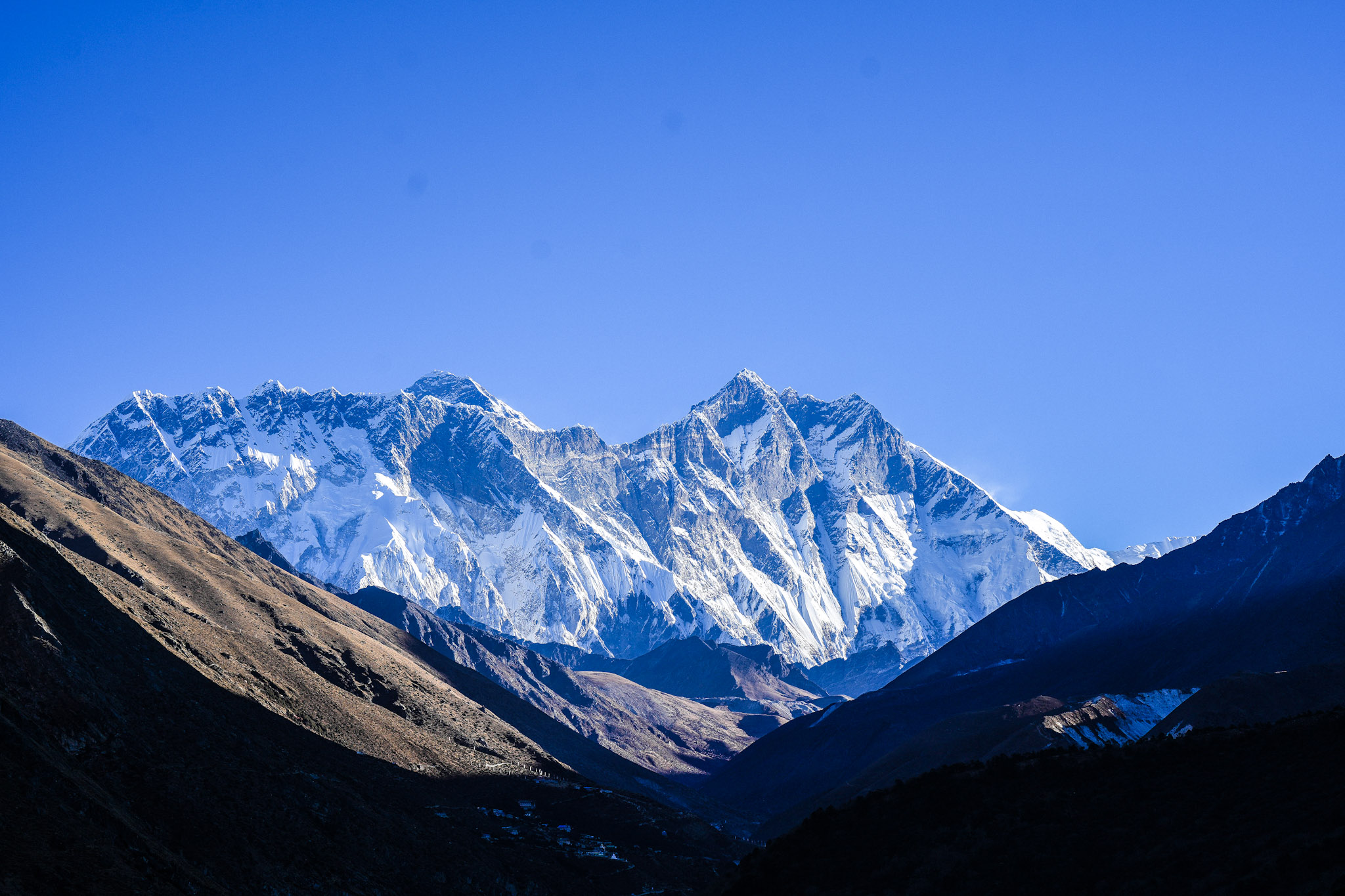
Kathmandu, Nepal — Mount Everest witnessed an extraordinary day of climbing activity yesterday, as 135 climbers successfully reached the summit within a 24-hour window. According to Nepal’s Department of Tourism, this marks one of the busiest summit days of the 2025 spring season so far. As weather conditions begin to shift, hundreds of climbers are now racing against the clock and the elements to complete their ascents before high winds make the summit route too dangerous to attempt.
The push toward the summit came after a brief spell of favorable weather allowed teams to climb in relatively safe conditions. However, meteorological forecasts indicate rapidly increasing wind speeds in the coming days, forcing climbers and their expedition leaders to make quick decisions—either make a summit bid now or risk missing their opportunity altogether.
Adding to the intense scene on Everest is the growing traffic on neighboring Lhotse (8,516 meters), the world’s fourth-highest mountain. Many climbers have set their sights on completing the demanding “double-header” ascent: first summiting Lhotse, then traversing to Everest via Camp 2. This feat requires not only physical endurance but also near-perfect timing and acclimatization. Tragically, two climbers attempting this dual summit did not survive, underscoring the extreme risks involved in such high-altitude endeavors.
As of now, the Department of Tourism has reported that the total number of summits for the season has already surpassed 200, despite the season being only a few days into its main summit window. This is based on three highly active climbing days, with many more teams still positioned higher on the mountain preparing for their turn.
Nepal has issued climbing permits to 468 foreign climbers this season, comprising 86 women and 382 men, organized across 47 separate expedition teams. When combined with Sherpa guides and support staff, the total number of people on the mountain is well over a thousand. The resulting crowding on the fixed lines—especially near the summit ridge—is once again raising concerns about delays, bottlenecks, and their potential consequences in the death zone above 8,000 meters.
Mount Everest’s notorious “weather window”—the brief period in late May when summit conditions are usually most stable—is unpredictable and narrow. This year is proving no exception, with high winds threatening to close off access even as hundreds of climbers remain at high camps awaiting their chance.
In addition to the two climbers who died during the double ascent attempt, two more fatalities were reported last week on Everest. All reported deaths on Everest and Lhotse this season have so far been attributed to illness or exhaustion, common threats at extreme altitudes where the human body is pushed to its limits and rescue is extremely difficult.
As the summit window narrows and teams weigh their options, the days ahead are expected to be both tense and consequential. For those still on the mountain, the challenge is no longer just reaching the top—but doing so safely and in time.