
Study Finds Human Impact on Climate Detectable as Early as 1885
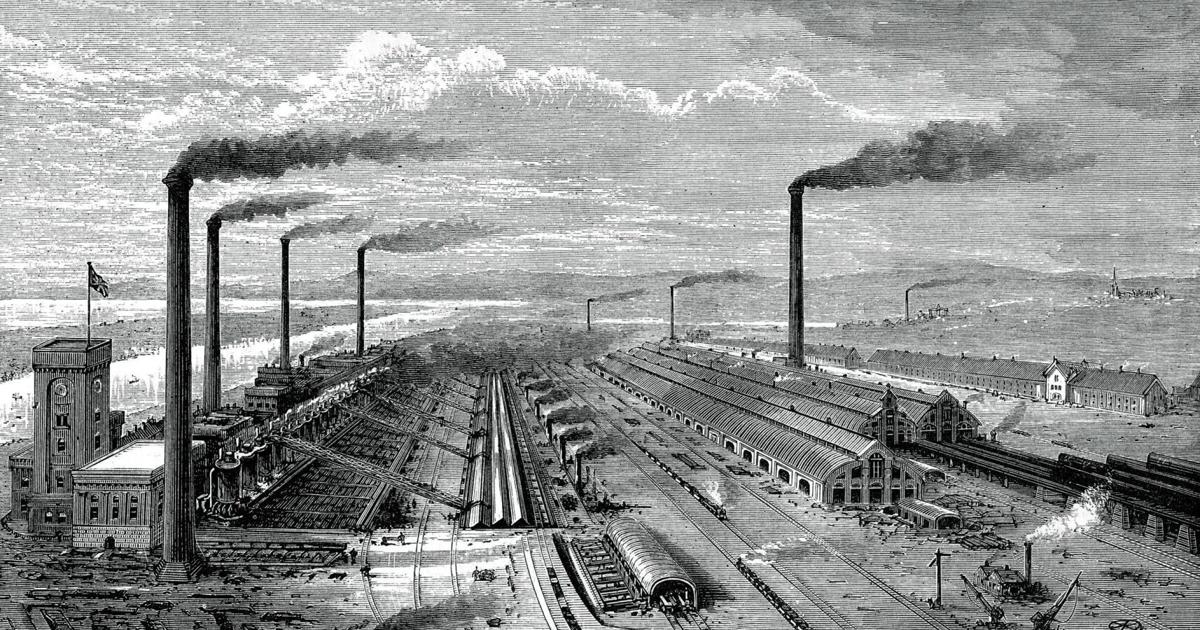
The human influence on Earth’s climate may have been evident much earlier than previously believed—possibly as early as 1885, even before the invention of gasoline-powered automobiles. A new study published in the Proceedings of the National Academy of Sciences suggests that the effects of industrial-era greenhouse gas emissions were already detectable in the upper atmosphere by the late 19th century.
Using a blend of climate theory, modern satellite observations, and advanced computer modeling, researchers found that signs of human-caused climate change could likely have been identified with high confidence nearly 140 years ago.
The research focused on the stratosphere—the second layer of Earth’s atmosphere—where human emissions have a distinct effect. While greenhouse gases warm the troposphere (the lowest layer where weather occurs), they cause cooling in the stratosphere. This contrast makes the upper atmosphere a particularly sensitive indicator of climate change.
Climate models used in the study indicated that the human fingerprint on stratospheric cooling could have been detectable by 1885, just 25 years after carbon dioxide concentrations began rising in earnest. Between 1860 and 1899, CO₂ levels rose by just 10 parts per million—yet that was already enough to leave a discernible mark, according to lead author Ben Santer of the Woods Hole Oceanographic Institution.
Santer and co-author Susan Solomon expressed surprise at the findings. “It was really surprising to me that we could have identified a human-caused signal in the stratosphere within 25 years of the start of monitoring—if we had then the measuring capability that we have today,” said Santer.
Since that time, atmospheric CO₂ concentrations have climbed dramatically—by about 140 parts per million in total, and by 50 parts per million between 2000 and 2025 alone.
Experts not involved in the study supported its conclusions. Gabi Hegerl of the University of Edinburgh noted, “This highlights the strong influence that greenhouse gas increases have on the upper atmosphere compared to the variability there.” Andrea Steiner, a climate scientist at the University of Graz in Austria, emphasized the value of upper-atmosphere data as an early warning system for tracking climate change and measuring the impact of mitigation efforts.
A Warning on Scientific Funding Cuts
Santer and Solomon stressed the importance of continuing to observe and monitor the upper atmosphere. However, their call comes amid significant budget threats to key climate science agencies. Proposed funding cuts to NOAA, NASA, and the U.S. Department of Energy include plans to reduce or eliminate climate monitoring programs and instruments.
The NOAA budget proposal would shut down the agency’s research division responsible for carbon dioxide monitoring. NASA’s proposed cuts would also remove vital sensors from future satellites that track Earth’s changing climate.
Santer warned, “It’s important for the public to understand what’s at stake. Losing the capability to monitor how our world is changing puts us all at greater risk.”
Source: CNN