
Climate Change Triggers Devastating Floods in Texas and Nepal’s Rasuwa District
July 8, 2025
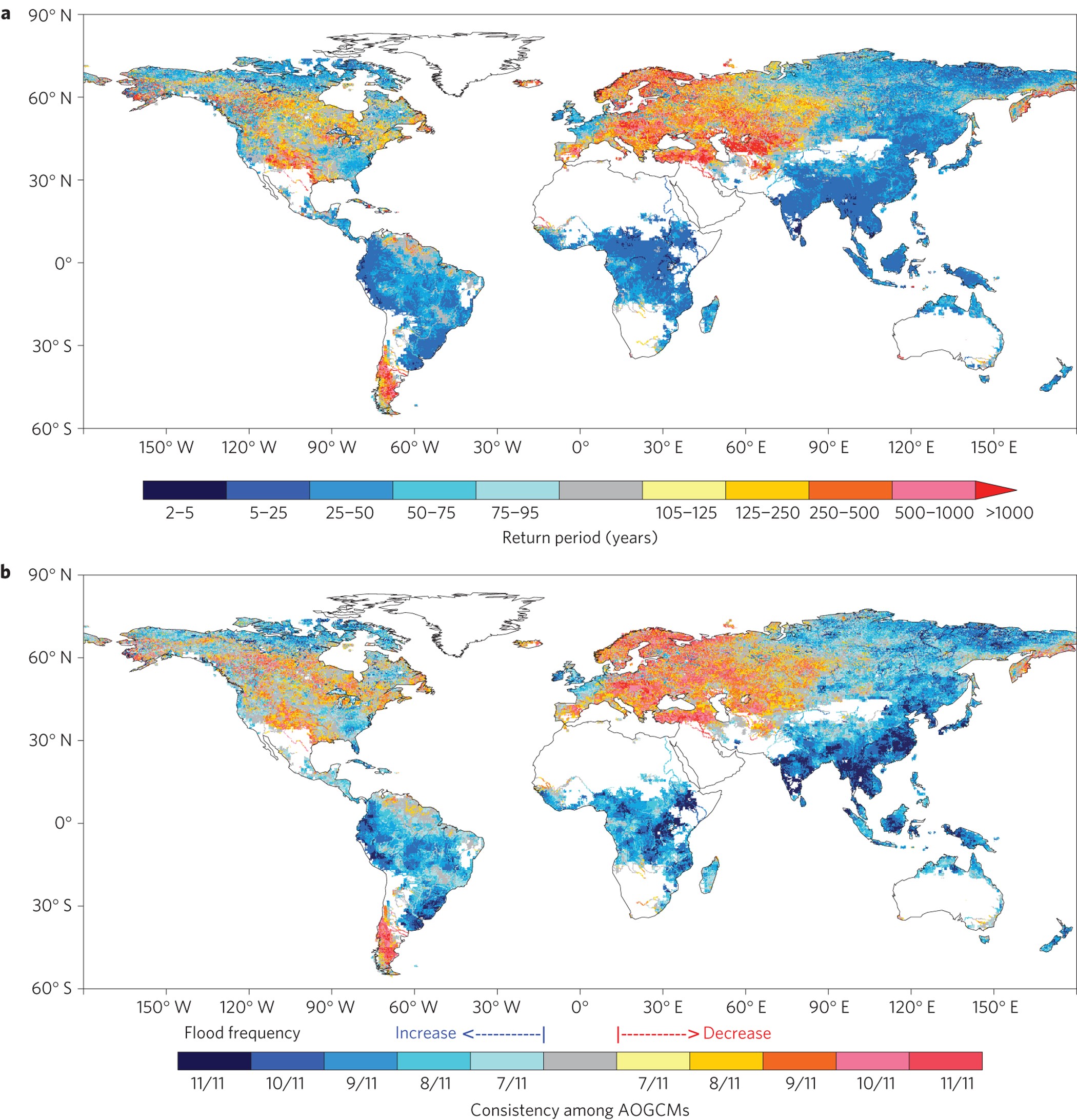
Climate change is dramatically altering weather patterns around the world, increasing the frequency and severity of extreme weather events, particularly floods. Scientists widely agree that a warming atmosphere—caused by the accumulation of greenhouse gases—holds more moisture, roughly 7% more per degree Celsius of warming. This leads to heavier and more prolonged rainfall, particularly in already vulnerable regions. The devastating floods that struck central Texas and Nepal’s Rasuwa district in early July 2025 illustrate how climate change is transforming natural hazards into full-blown humanitarian and infrastructural crises.
In Texas, a catastrophic flash flood over the July 4th weekend claimed more than 100 lives and caused billions in property damage. The flooding occurred in the Hill Country region—often referred to as “Flash Flood Alley”—where storm systems fueled by the remnants of Tropical Storm Barry collided with unusually warm, moisture-laden air from the Gulf of Mexico. In just a few hours, over 20 inches of rain fell in some areas, overwhelming rivers like the Guadalupe, which rose more than 20 feet. According to a study from the European-based ClimaMeter initiative, the region is now approximately 1.5 °C warmer than the historical average from 1950 to 1986, with 2 mm/day more atmospheric moisture. This suggests that the intensity and volume of the rainfall were directly amplified by climate change.
The damage in Texas was further exacerbated by land-use patterns and infrastructure limitations. Years of drought had hardened the soil, reducing its capacity to absorb rainfall and increasing runoff. Rapid urbanization led to impervious surfaces—like concrete roads and parking lots—that channeled water quickly into rivers. Furthermore, outdated warning systems and underfunded emergency response agencies left many residents unprepared. Reports from outlets like Vox and The Guardian highlighted gaps in local preparedness, especially in rural counties where sirens failed and flood alerts were delayed.
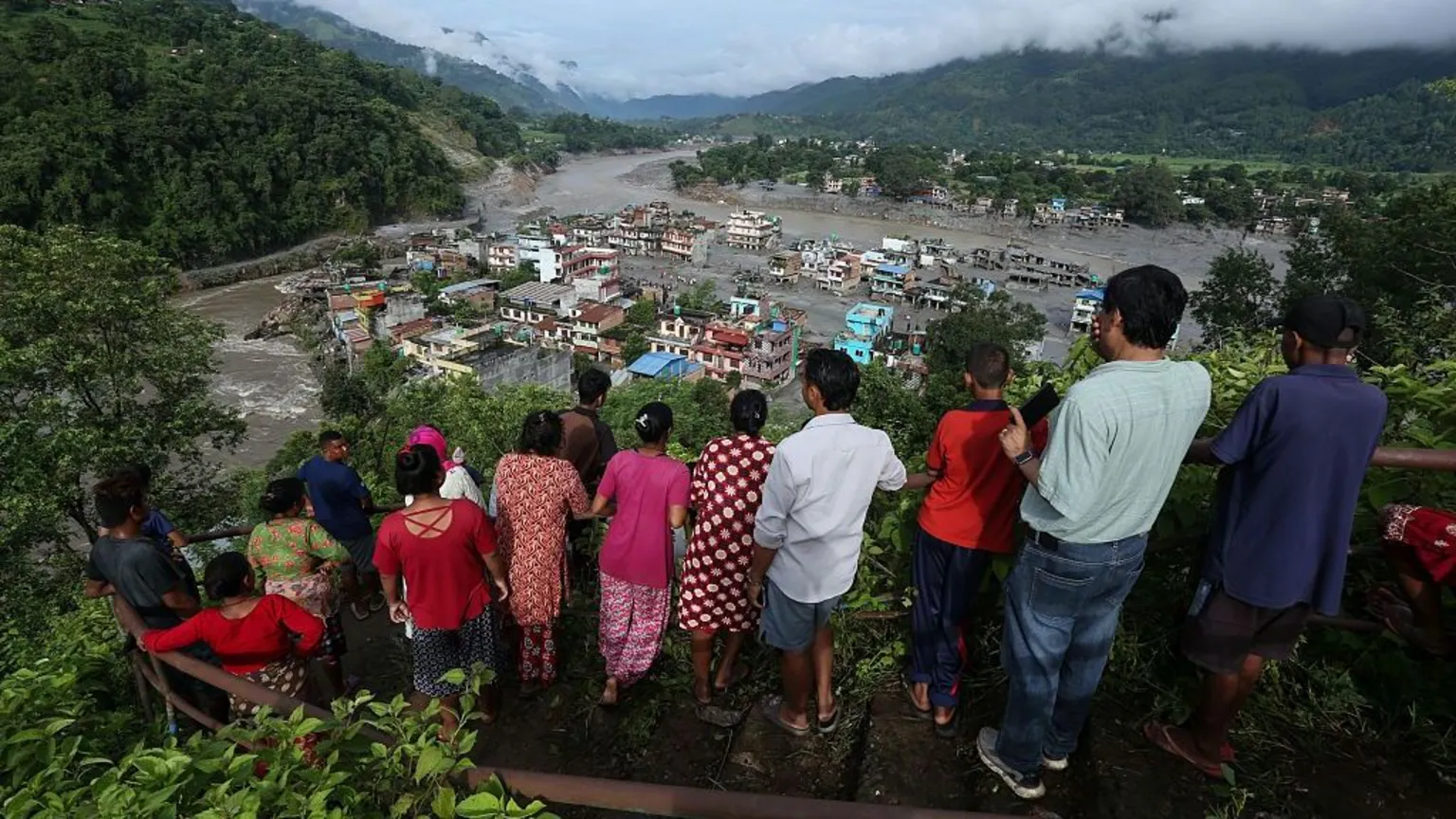
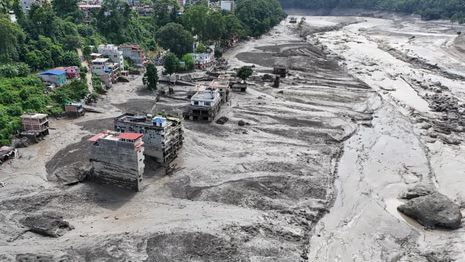
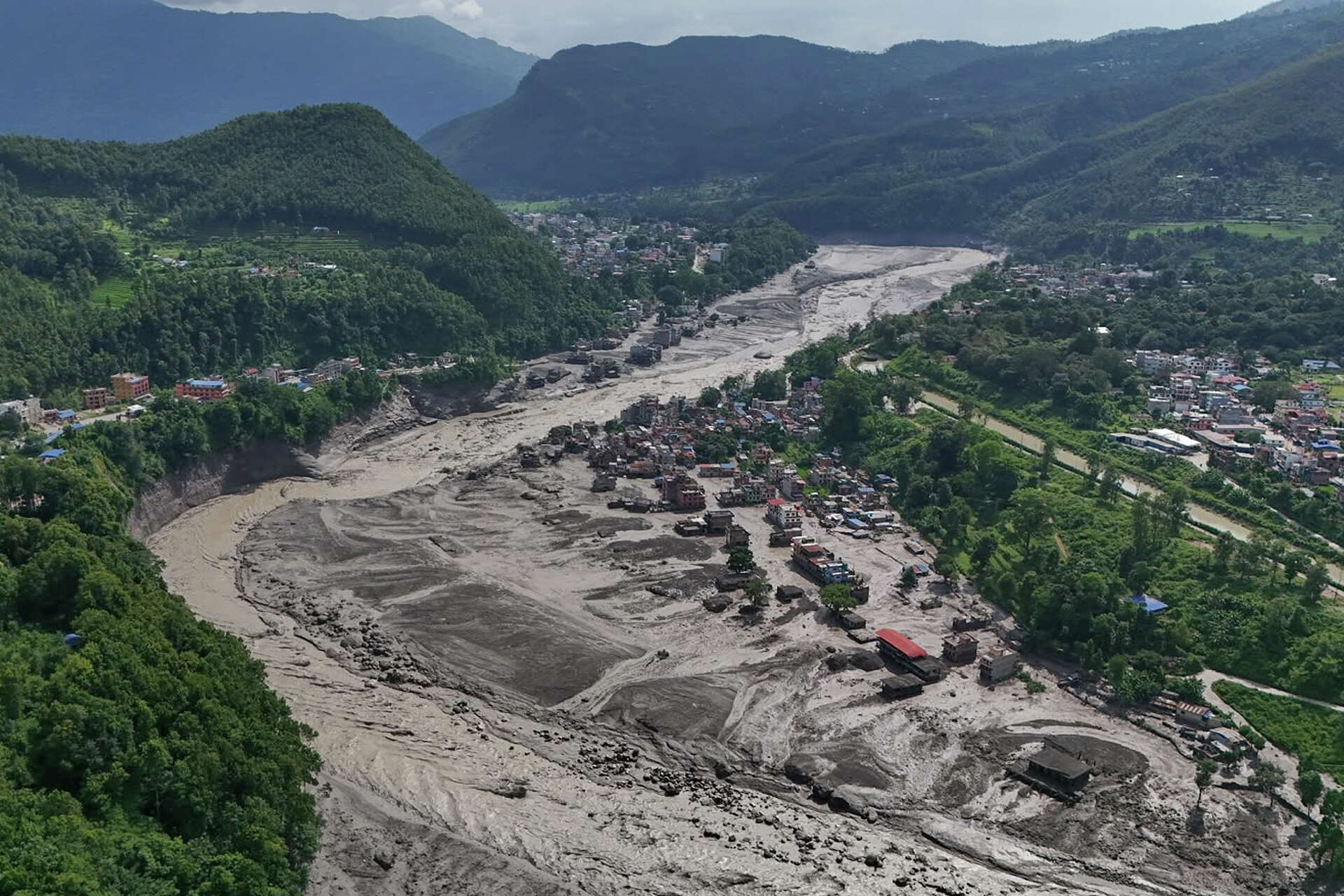
Halfway across the world, Nepal faced a similar climate-driven tragedy. On July 8, 2025, heavy monsoon rains triggered severe flooding in Rasuwa, a mountainous district along the Nepal-China border. The Rasuwagadhi border area—critical for bilateral trade—was heavily impacted. The flood washed away the Miteri Bridge, damaged the Rasuwagadhi Hydropower Project dam, and caused extensive destruction to the Rasuwa Customs Office and electric vehicle infrastructure in Timure. Eighteen people were reported missing, including six Chinese nationals and three members of the Nepal Police, while seven bodies were recovered. These floods also rendered large portions of the Pasang Lhamu Highway impassable, cutting off access to several rural municipalities such as Gosaikunda, Aamachhodingmo, and Kalika.
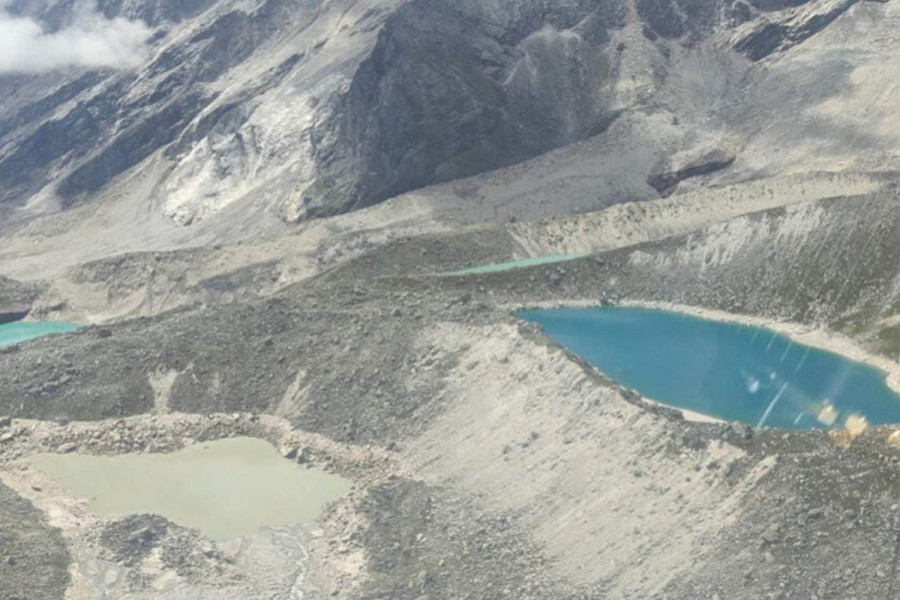
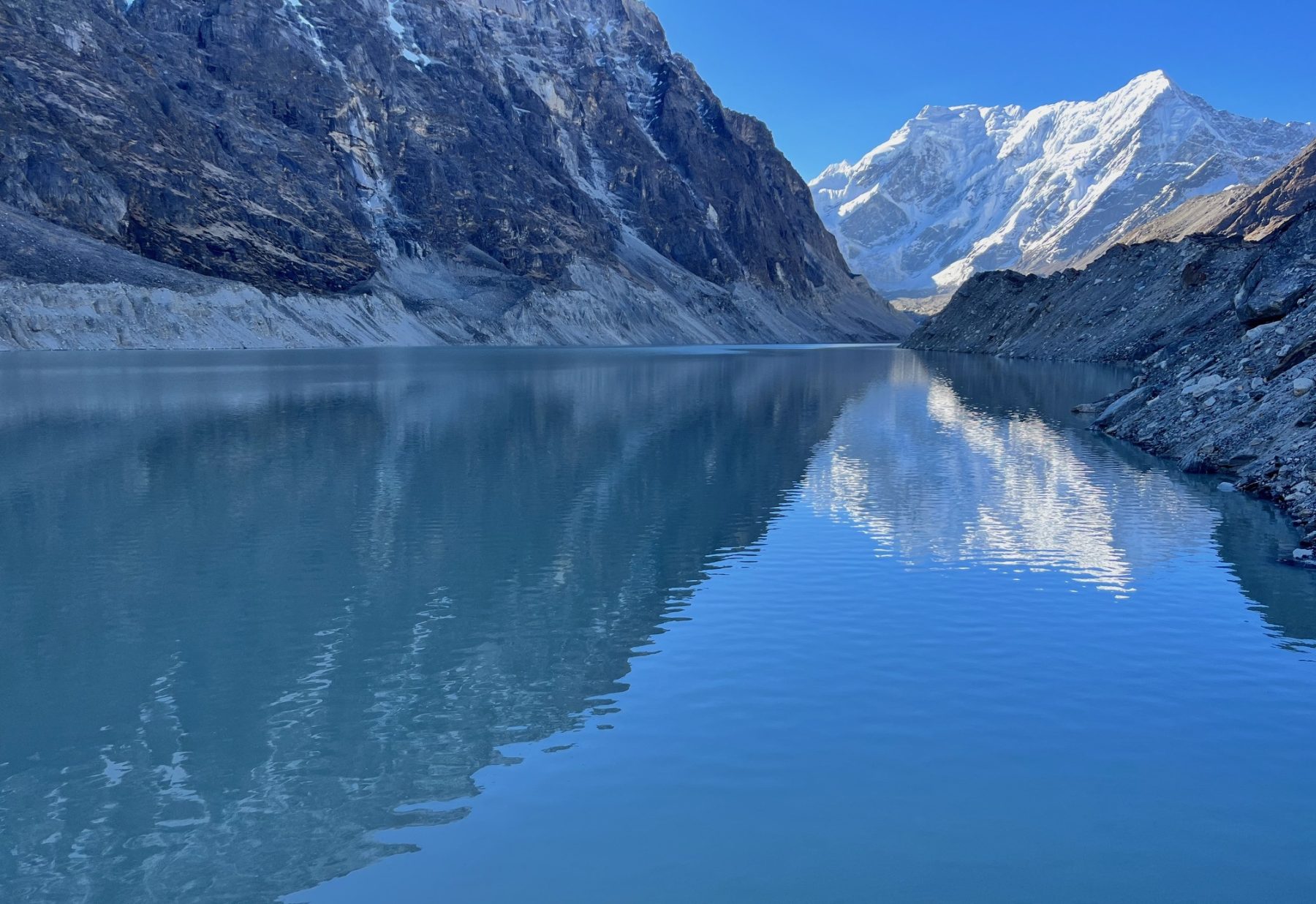
While a formal climate attribution study for this specific flood is still pending, the scientific community has already identified a clear connection between rising global temperatures and more intense monsoon patterns in South Asia. According to the World Weather Attribution network, climate change made Nepal’s deadly 2024 floods 70% more likely and increased rainfall intensity by up to 18%. Factors such as rapid deforestation, poorly regulated urban expansion, and infrastructure construction on floodplains further exacerbated the impacts in Rasuwa. As in Texas, human decisions combined with climate-driven hazards to worsen the crisis.
When comparing both disasters, key similarities emerge. In both regions, warming has led to greater atmospheric moisture and more intense rainfall events. In Texas, this was aggravated by drought conditions and sprawl; in Nepal, steep terrain and poor land management practices played a significant role. Infrastructure vulnerability, lack of preparedness, and insufficient early warning systems made the damage and human toll worse than it might have been under better planning and governance.
To address such growing threats, countries must act on both fronts: mitigation and adaptation. Mitigation involves drastically reducing global carbon emissions to limit further warming. But adaptation is equally urgent. Governments should invest in climate-resilient infrastructure, early warning systems, and sustainable urban planning. In flood-prone areas, restoring wetlands and forests can help reduce runoff, while community-based disaster education can save lives. Experts like Dr. Martina Egedusevic emphasize the need for nature-based solutions to improve resilience and protect biodiversity simultaneously.
The floods in Texas and Rasuwa are a stark warning: climate change is not a distant threat, but a current and deadly reality. The science is clear, and the consequences are increasingly visible. As the planet warms, extreme rainfall and flooding will only become more frequent and intense. The time to act—globally and locally—is now.