
China Begins Construction of World’s Largest Hydropower Dam on Yarlung Zangbo in Tibet
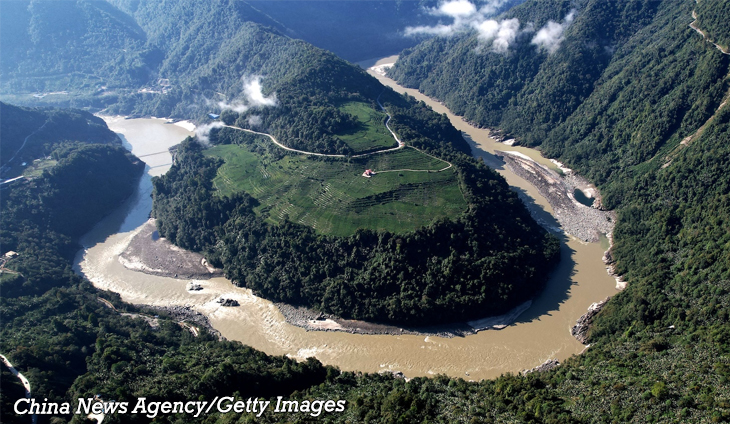
In a historic move that could reshape energy dynamics in the region and provoke environmental and geopolitical concern across South Asia, Chinese Premier Li Qiang has announced the official launch of construction on what is set to become the world’s largest hydropower dam. The project, located on the eastern edge of the Tibetan plateau along the lower reaches of the Yarlung Zangbo River, is projected to cost a staggering $170 billion, according to China’s state-run Xinhua News Agency.
A “Project of the Century”
Premier Li hailed the megaproject as a “project of the century” and emphasized its significance in China’s ambitious plan to transition toward renewable energy and achieve its climate goals. According to Xinhua, Li called for “special emphasis on ecological conservation to prevent environmental damage” during the project’s execution—a recognition of growing concerns over the environmental and social impact on one of Asia’s most ecologically fragile and geopolitically sensitive regions.
The massive undertaking will consist of five cascading hydropower stations built sequentially along a dramatic section of the Yarlung Zangbo, where the river plunges 2,000 meters over a 50-kilometer stretch. This section is believed to offer one of the highest untapped hydropower potentials in the world.
The dam is expected to generate an estimated 300 billion kilowatt-hours of electricity annually, making it not only the largest hydropower station globally by output but also a critical piece of China’s broader climate strategy. The electricity will support both the local energy grid in Tibet and feed into the national grid to fuel economic growth and industrial activity across mainland China.
Environmental and Human Costs Still Unknown
Despite the promise of clean energy, key details remain absent from the public domain—especially regarding the human displacement and ecological disruption that the project may cause. Authorities have not disclosed how many Tibetan residents will be relocated or how the project will affect local biodiversity, which is among the richest on the Tibetan plateau. The construction zone falls within a region known for rare flora and fauna, sacred landscapes, and complex water systems.
Chinese officials insist the dam will have minimal environmental impact and will not significantly disrupt downstream water flow. However, independent environmental groups and NGOs vehemently disagree. The International Campaign for Tibet, along with other environmental watchdogs, has warned that large-scale infrastructure development in such a seismically active and ecologically delicate region could cause irreversible damage to the plateau’s ecosystem.
Moreover, the Yarlung Zangbo is a transboundary river that becomes the Brahmaputra as it flows into India’s Arunachal Pradesh and Assam states before entering Bangladesh. These downstream nations have raised concerns over the lack of transparency, potential alteration of river flow, and threats to agriculture, fisheries, and livelihoods for millions who depend on the river.
Geopolitical Ramifications
The project has further deepened anxieties in India and Bangladesh, which were not consulted in the dam’s planning phase. Both countries have long expressed apprehensions over China’s unilateral moves to dam rivers that originate in Tibet but are crucial for downstream water security.
Indian experts warn that China’s growing control over Himalayan rivers could provide Beijing with a strategic upper hand in any future water-related disputes. While China has maintained that its hydropower projects are for peaceful development, there is no formal water-sharing agreement between China and its southern neighbors, raising fears about future misuse of upstream control in times of conflict or drought.
Hydropower and China’s Green Goals
According to Xinhua’s earlier report in December 2024, the dam will play a pivotal role in meeting China’s “dual carbon goals”—peaking carbon emissions by 2030 and achieving carbon neutrality by 2060. The construction is also expected to stimulate related sectors such as engineering, logistics, and green energy manufacturing, while generating thousands of jobs in Tibet.
China has already begun generating hydropower from upper sections of the Yarlung Zangbo, and this latest downstream development marks a dramatic scaling up of its ambitions. The new project is being positioned as a cornerstone of China’s efforts to wean itself off coal and diversify its energy sources amid growing domestic demand and global pressure to act on climate change.
A Precedent for Future Mega-Dams?
This dam is only one of several mega-projects planned across Tibet and western China as part of Beijing’s “West-to-East Power Transmission” initiative, which aims to harness the natural resources of China’s western regions to power its industrialized east.
As construction begins on what may become the largest dam the world has ever seen, debate intensifies over the costs—human, ecological, and geopolitical—that such a project might entail.
Whether the project truly represents a leap toward a greener future or an environmental gamble with far-reaching consequences remains to be seen.