
Rapid Glacial Lake Expansion in the Himalayas Raises Risk of GLOFs and Water Insecurity
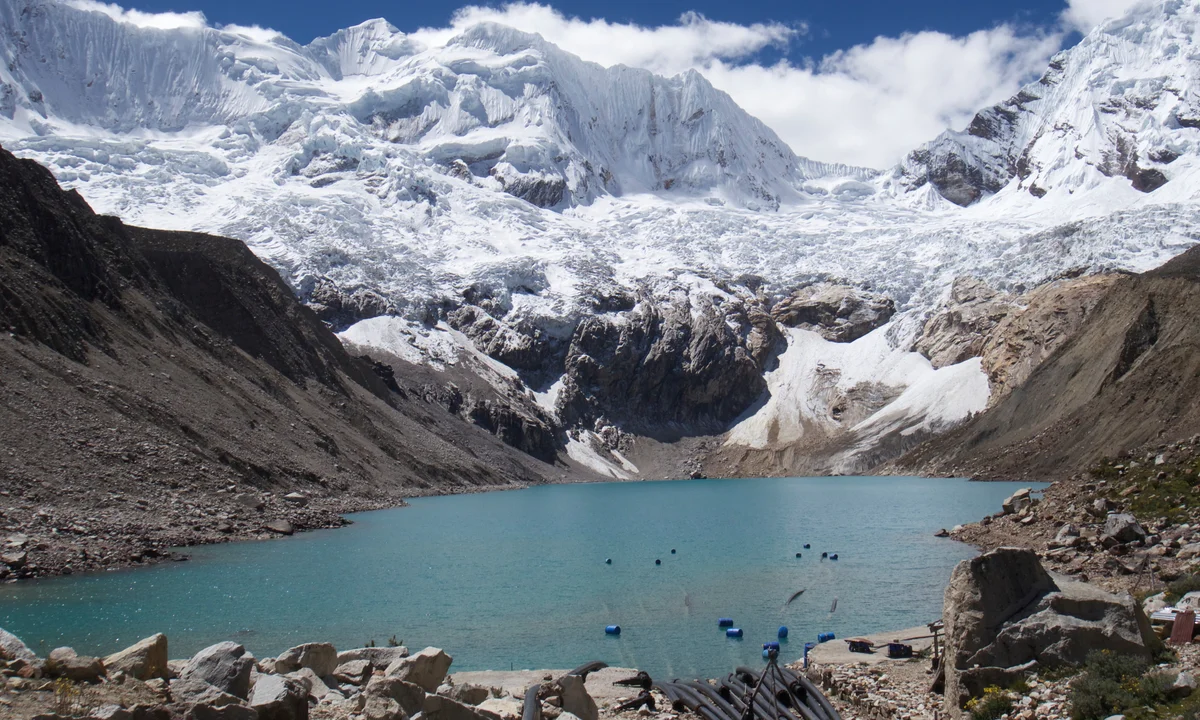
The Himalayan region, home to approximately 15,000 glaciers, is undergoing rapid and significant changes due to anthropogenic climate change. Recent observations indicate a sharp increase in glacier melt rates, leading to the accelerated formation and expansion of glacial lakes—posing serious risks to downstream communities, ecosystems, and regional hydrology.
Glacial Lake Formation and Expansion
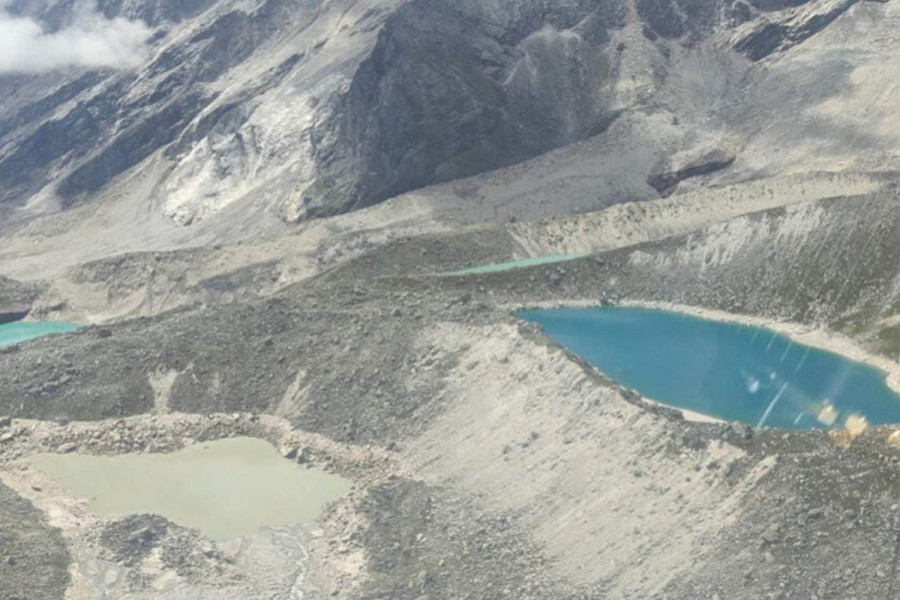
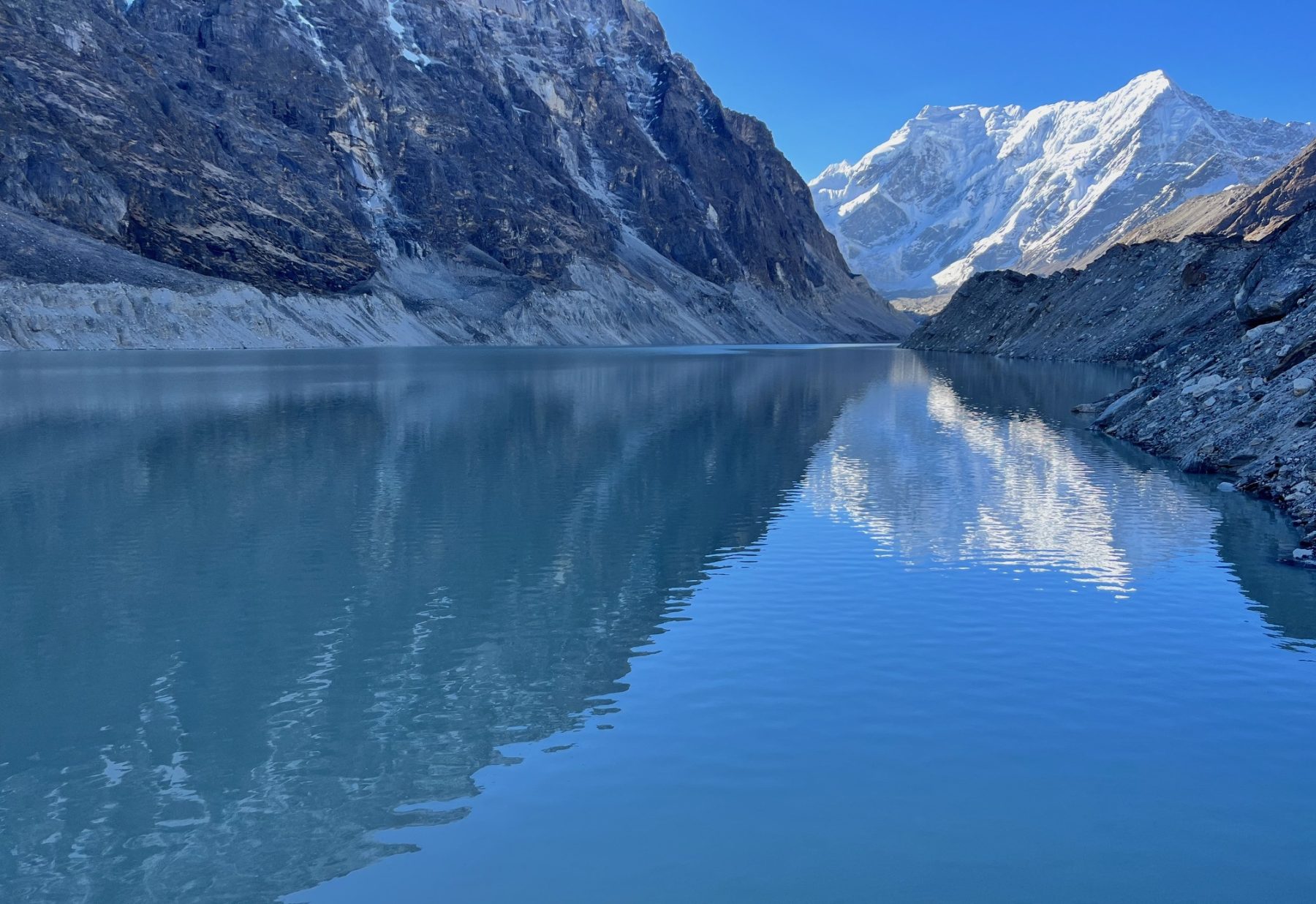
According to a 2023 report by India’s Central Water Commission, water bodies formed by glacial melt in the Indian Himalayas have expanded by approximately 11% since 2011. Satellite imagery and remote sensing data reveal that many of these lakes are now forming at elevations exceeding 5,500 meters (approximately 18,000 feet), making them difficult to monitor and manage, especially in the event of a glacial lake outburst flood (GLOF).
The Himalayas serve as a critical water source for over 500 million people across South Asia, feeding major river systems such as the Ganges, Brahmaputra, and Indus. These rivers depend on seasonal snowmelt and glacier runoff to maintain flow during dry periods. However, the current trajectory of glacier retreat is threatening the long-term reliability of these freshwater supplies.
Climate-Induced Glacier Retreat
Multiple studies, including those by the International Centre for Integrated Mountain Development (ICIMOD) and the World Glacier Monitoring Service (WGMS), confirm that Himalayan glaciers are melting at rates exceeding the global average. In Nepal, glacier retreat has nearly doubled compared to the global mean, while India’s Chorabari Glacier in the Garhwal Himalayas is receding at an estimated rate of 7 meters per year.
The retreat is driven by sustained atmospheric warming and increased frequency of extreme weather events. Data from the World Water Atlas and the Intergovernmental Panel on Climate Change (IPCC) indicate that rising temperatures are also disrupting precipitation patterns, leading to reduced snowfall and altered seasonal runoff dynamics.
Hazards of Glacial Lake Outburst Floods (GLOFs)
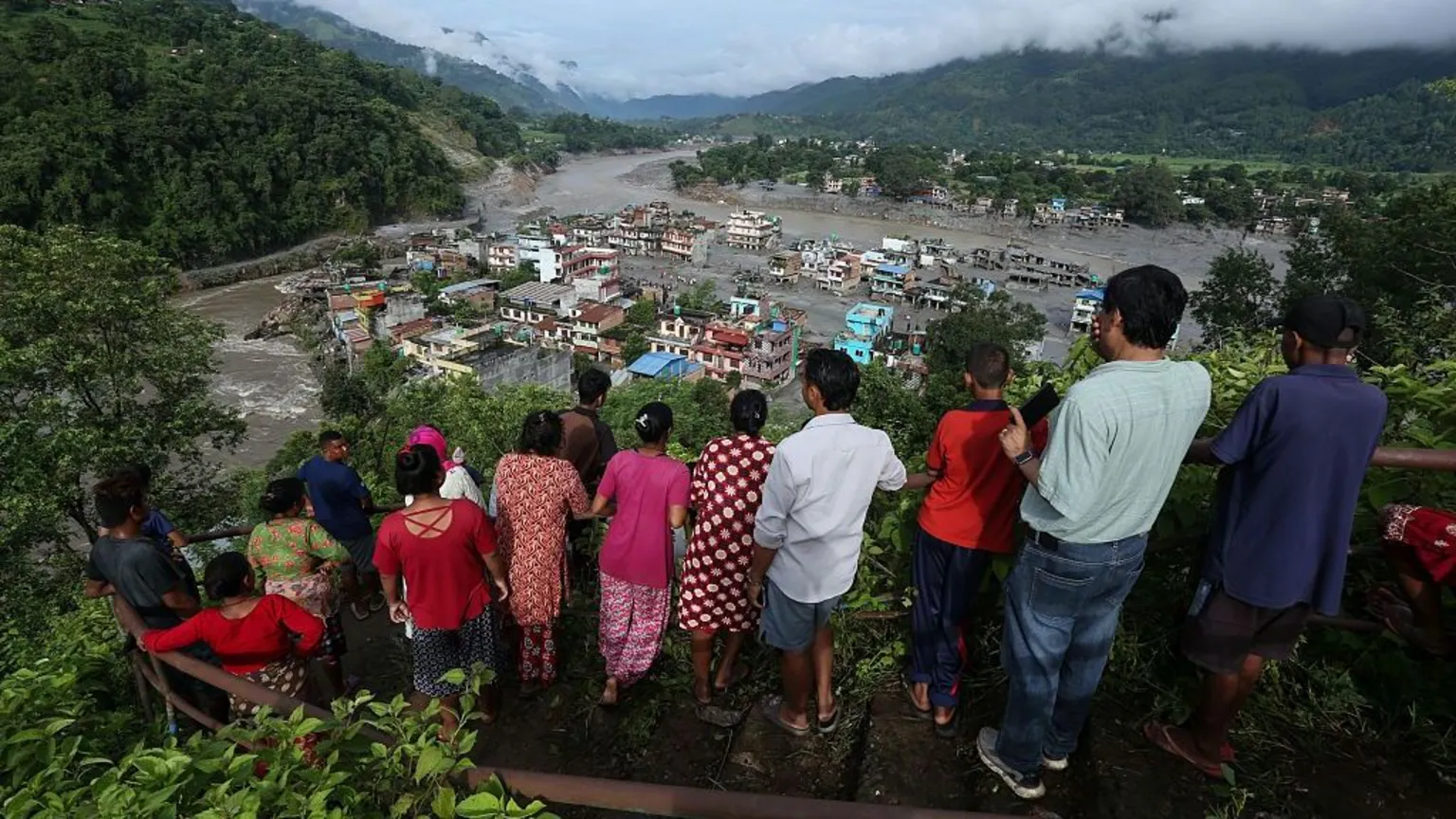
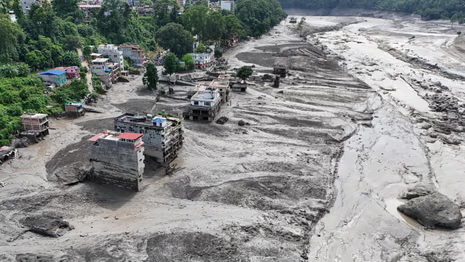
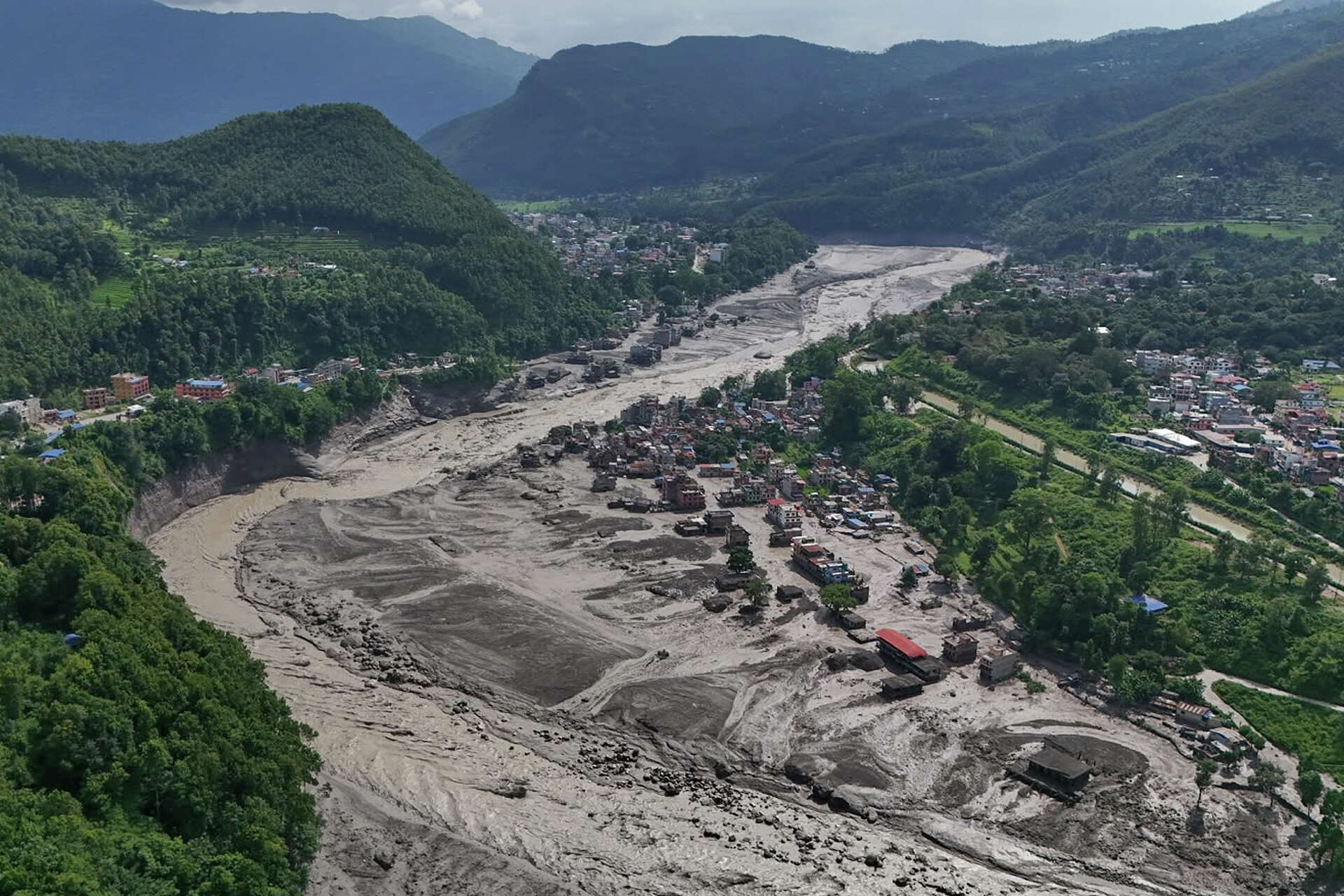
Glacial lakes, particularly those dammed by loose moraine or ice, are inherently unstable. Their expansion increases the likelihood of sudden outbursts triggered by seismic activity, heavy rainfall, or ice avalanches. GLOFs can release millions of cubic meters of water within minutes, causing catastrophic downstream flooding.
Because many of these lakes are located in remote and high-altitude regions, early-warning systems and emergency response capabilities remain limited. A delayed or absent response to lake breaches could result in significant human and economic losses in densely populated valleys below.
Implications for Water Security and Ecosystem Stability
The loss of glacier mass has direct implications for water security across Asia. As glacial storage diminishes, dry-season flows may decline, adversely impacting agriculture, drinking water availability, and hydroelectric power generation. Ecosystems adapted to high-altitude hydrological regimes may also experience rapid shifts, leading to biodiversity loss and vegetation stress.
Furthermore, changes in meltwater patterns disrupt traditional farming cycles and reduce the reliability of water for irrigation, further stressing rural livelihoods.
Mitigation and Adaptation Strategies
Scientific consensus emphasizes the urgent need to limit global warming to below 1.5°C above pre-industrial levels to prevent irreversible glacial mass loss. A 2019 study by ETH Zurich projected that maintaining current emission trajectories could lead to a 40% loss of global glacier mass by 2100. However, reducing warming to 1.5°C could help preserve over 50% of remaining glaciers.
Ongoing research focuses on improving the accuracy of glacier mass balance models, installing early-warning systems for GLOFs, and assessing the structural stability of moraine dams. Remote sensing, field-based glaciological measurements, and hydrological modeling are being integrated to enhance risk forecasting.
At a policy level, transitioning to low-carbon energy systems, protecting high-altitude ecosystems, and investing in climate-resilient infrastructure are essential components of an effective regional adaptation strategy.
The accelerated retreat of Himalayan glaciers and the expansion of glacial lakes represent a serious environmental and socio-economic threat. Addressing these risks requires coordinated scientific monitoring, community-based disaster preparedness, and global efforts to mitigate climate change. Without significant intervention, the stability of one of the world’s most critical freshwater sources hangs in the balance.