
President Trump Pushes Forward with Ukraine Peace Diplomacy Despite No Breakthrough in Alaska
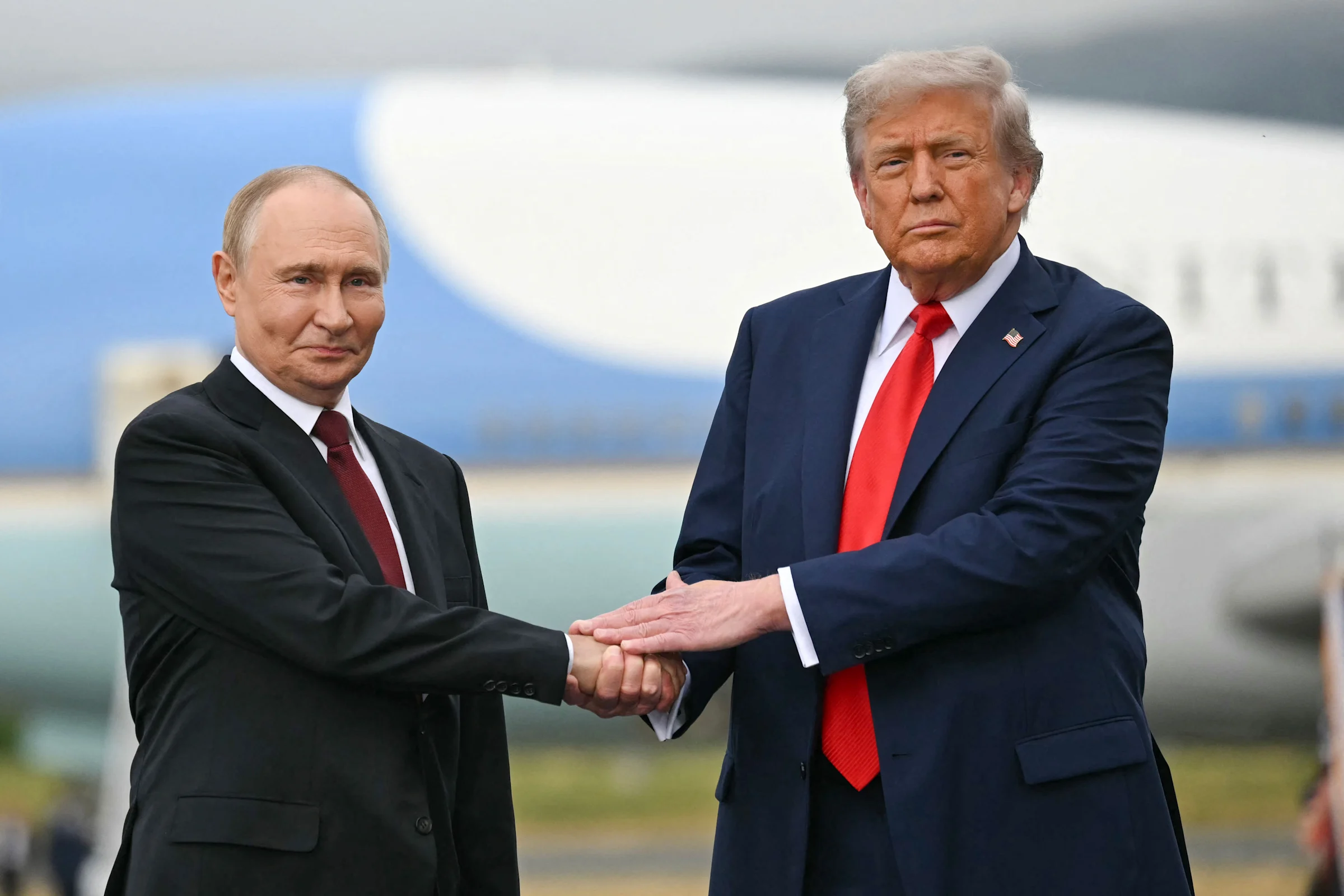
The high-profile Alaska summit between US President Donald Trump and Russian President Vladimir Putin ended on Friday without a breakthrough on the Ukraine war, yet the former U.S. president is pressing forward with his peace initiative. While Putin offered little in terms of concessions, Trump has doubled down on his claim that “great progress” was made, scheduling new talks with Ukrainian President Volodymyr Zelensky and continuing to explore the possibility of a trilateral meeting.
A Long Day of Diplomacy
After a grueling day of travel and discussions with Putin, Trump spoke late into the night from Air Force One with Zelensky and several European leaders. Hours later, the White House announced that Zelensky will visit Washington on Monday for face-to-face talks. Trump has indicated that, if all goes well, Putin could also be invited to a follow-up meeting.
The Alaska summit itself was shorter than expected, with talks breaking off earlier than planned. While both leaders described the meeting as “useful” and “frank,” they avoided specifics. Putin emphasized that the “root causes” of the conflict must be addressed, hinting at longstanding Russian demands over Ukraine’s sovereignty and territorial status.
Reports of Putin’s Demands
According to U.S. and European media reports, Putin floated the idea of halting fighting and freezing the front line if Ukraine ceded control of the Donbas region—an area partly held by Russian forces since 2014 and now the heart of the invasion. He also reportedly raised issues such as official protections for the Russian language and guarantees for the Russian Orthodox Church in Ukraine.
Trump, in his post-summit calls, suggested that Putin might be prepared to make concessions but did not clarify what they were. European diplomats now fear that Trump could pressure Zelensky into accepting unfavorable terms when he arrives in Washington.
Zelensky Holds Firm
Zelensky, who was not invited to the Alaska summit, has publicly rejected any suggestion of ceding Ukrainian land. Just last week, he warned that withdrawing from the Donbas would open the door to fresh Russian offensives. “If we leave, we give Russia a bridgehead,” he said. Kyiv insists that peace cannot come at the cost of territorial integrity or sovereignty, a stance strongly supported by European Union leaders.
Still, Zelensky has kept lines of communication open. In his call with Trump, he reportedly pushed for tighter sanctions on Russia if Moscow tries to “evade an honest end to the war.” At the same time, he acknowledged expectations of intensified Russian strikes in the coming days aimed at strengthening Moscow’s leverage in negotiations.
European and NATO Reactions
Reaction across Europe has been mixed. Germany’s Chancellor Friedrich Merz praised Trump’s determination to pursue peace but underscored Europe’s “unwavering solidarity” with Ukraine. Poland’s Prime Minister Donald Tusk warned that Putin remains a “cunning and ruthless player,” while EU foreign policy chief Kaja Kallas argued that Putin’s approach shows no sign of ending the war.
Meanwhile, security guarantees for Ukraine were reportedly discussed at the summit. Inspired by NATO’s Article 5, the idea would see Ukraine’s allies promise military intervention if Russia attacks again. But experts cast doubt on its credibility. Former U.S. NATO representative Ivo Daalder told the BBC that neither Trump nor Europe is likely to risk direct war with Russia without Ukraine being a full NATO member. “It’s just not credible,” he said.
Symbolism and Optics
For Putin, the Alaska summit was as much about symbolism as substance. Videos released by the Kremlin showed the Russian president being welcomed with a red carpet and even a ride in Trump’s presidential limousine. American fighter jets escorted Putin’s plane as an honor guard, rather than a threat. The images contrasted sharply with his recent isolation, under an International Criminal Court warrant, and reinforced Moscow’s narrative that Putin is back on the world stage.
In Kyiv, however, the optics struck a nerve. Many Ukrainians expressed outrage at the red-carpet treatment of the man waging war against them. “The rational world behaved irrationally,” said Maria Drachova, a lawyer. A veteran from Donetsk, Serhii Orlyk, called the spectacle “terrible,” though he admitted handshakes were inevitable in diplomacy. Others, like scientist Valentyna Sikora, saw the pomp as “just a performance,” relieved that no concessions were announced.
Domestic U.S. Criticism
Back in Washington, Democrats strongly criticized Trump’s approach. House Speaker Nancy Pelosi said, “We prayed for peace but instead got praise for Putin,” demanding that Russia return abducted Ukrainian children and halt wartime atrocities. Senate leader Chuck Schumer accused Trump of “standing shoulder to shoulder with an autocrat,” while Maryland Senator Chris Van Hollen said Trump had been “played” by Putin.
Republicans, however, have largely remained quiet, with some aligned figures praising Trump’s push for direct talks.
What Comes Next
As Trump shifts his strategy from seeking a temporary ceasefire to pushing for a permanent peace settlement, the risks and stakes are escalating. A possible trilateral meeting with Putin and Zelensky now hangs in the balance, depending on how Monday’s White House discussions unfold.
For Ukraine, the challenge remains existential: safeguarding sovereignty while navigating pressure from both allies and adversaries. For Trump, the Alaska summit may yet be remembered less for policy than for imagery—his embrace of Putin, and the possibility of “next time in Moscow.”
Whether this is the start of a serious diplomatic track or simply political theater is a question that the coming days may answer.