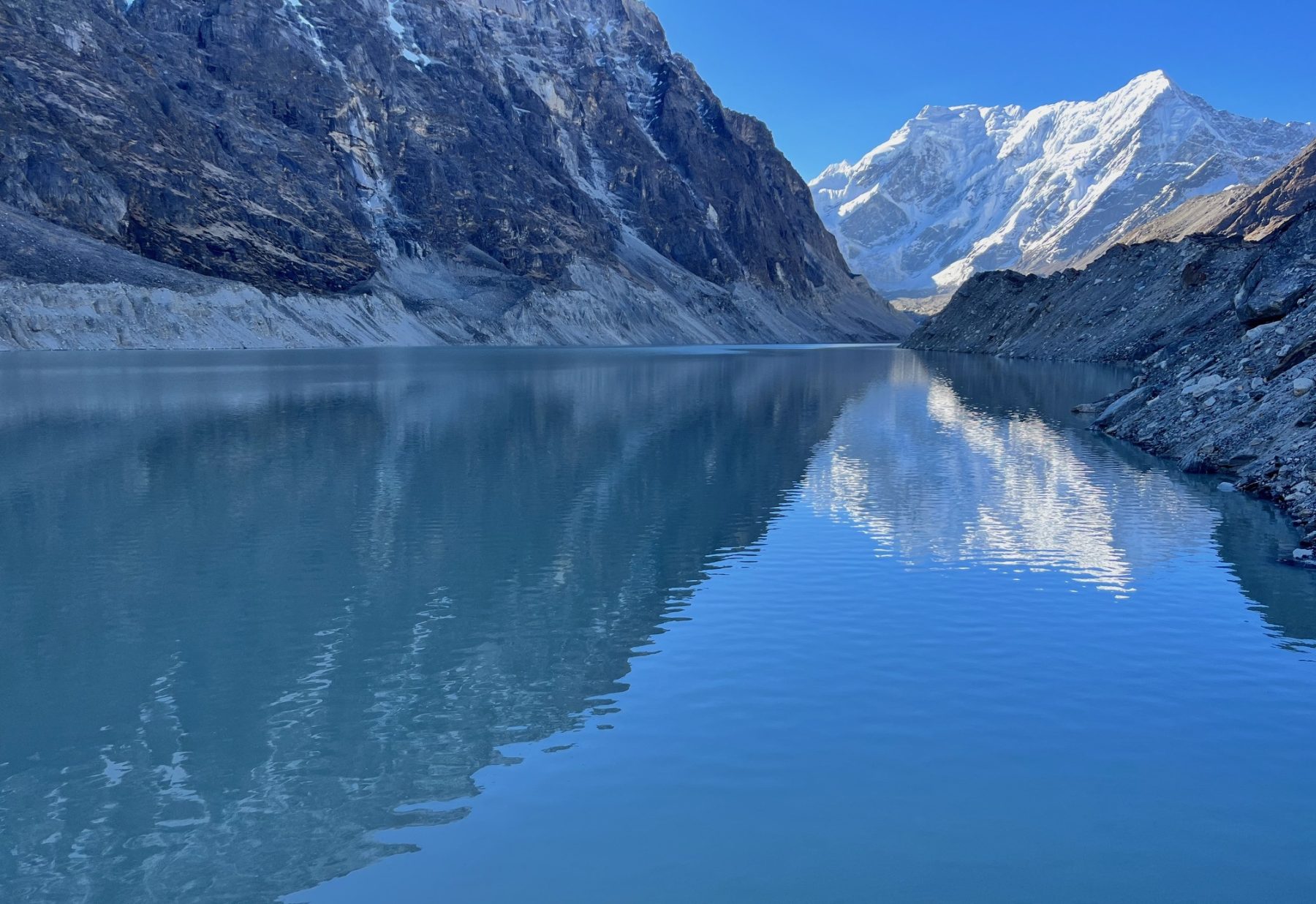
Bhutan’s ban on climbing mountains above 6000 meters is a deliberate and research-informed policy rooted in spirituality, environmental science, and sustainable development. Unlike many Himalayan nations that promote high-altitude mountaineering as a source of revenue and prestige, Bhutan has chosen to protect its highest peaks as sacred and ecologically fragile landscapes. This decision reflects a long-term vision that places respect for nature and cultural continuity above short-term economic gain.
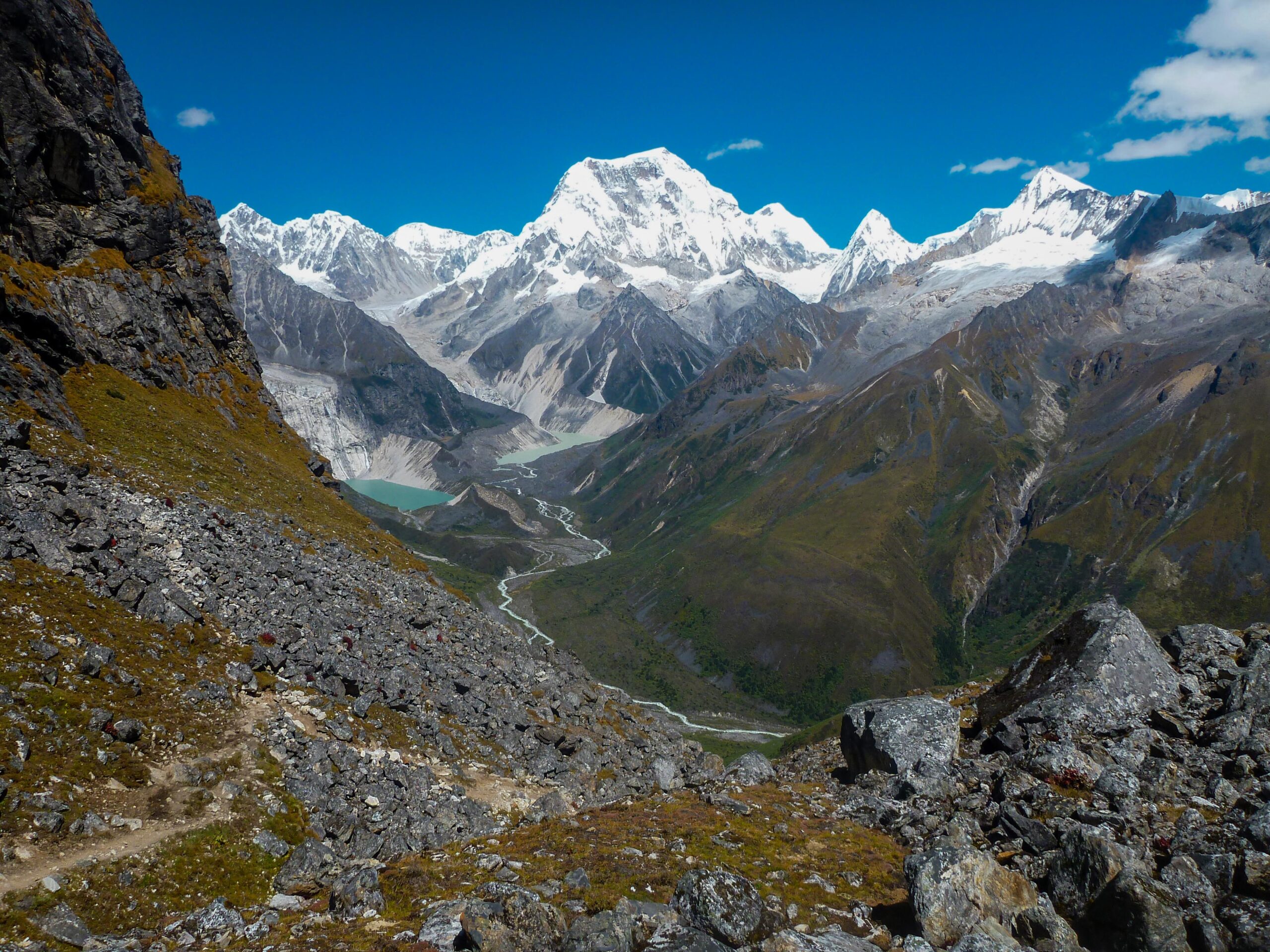
From a socio-cultural and spiritual perspective, Bhutanese Vajrayana Buddhism and indigenous belief systems regard high mountains as the dwelling places of deities and protective spirits. Peaks above 6000 meters are considered especially sacred, and human intrusion is viewed as a disruption of spiritual balance. This belief is not symbolic alone but has been translated into national policy. Bhutan first banned mountaineering above 6000 meters in 1994 and extended the ban to all peaks in 2003, leaving Gangkhar Puensum, at 7570 meters, as the highest unclimbed mountain in the world. The policy reinforces cultural values that emphasize harmony with nature rather than domination.
Environmental and ecological research strongly supports Bhutan’s approach. High-altitude ecosystems regenerate extremely slowly due to harsh climatic conditions and thin soils. Studies show that waste left by mountaineering expeditions, including human waste, fuel residues, microplastics, and abandoned equipment, can persist for decades at extreme elevations. Bhutan’s ban prevents these impacts entirely, helping preserve alpine biodiversity, protect glacial systems, and maintain water quality in rivers that originate in the high Himalaya.
The ban also protects sensitive mountain ecosystems that are critical habitats for endangered species such as snow leopards, Himalayan blue sheep, and rare alpine flora. Increased human presence at high elevations can disrupt wildlife movement, contaminate water sources, and destabilize already fragile glacial and permafrost systems. In the context of accelerating climate change, Bhutan’s precautionary approach reduces additional stress on landscapes that are already undergoing rapid transformation.
Tourism policy is another key dimension of Bhutan’s decision. The country follows a low-volume, high-value tourism model that limits visitor numbers while maximizing cultural and economic benefits. Instead of promoting summit-focused expeditions, Bhutan encourages trekking below 6000 meters, cultural tourism, and spiritual travel. Research in sustainable tourism indicates that high-altitude expedition tourism often produces limited benefits for local communities while generating disproportionate environmental and safety risks. Bhutan’s model aligns tourism with conservation and community well-being.
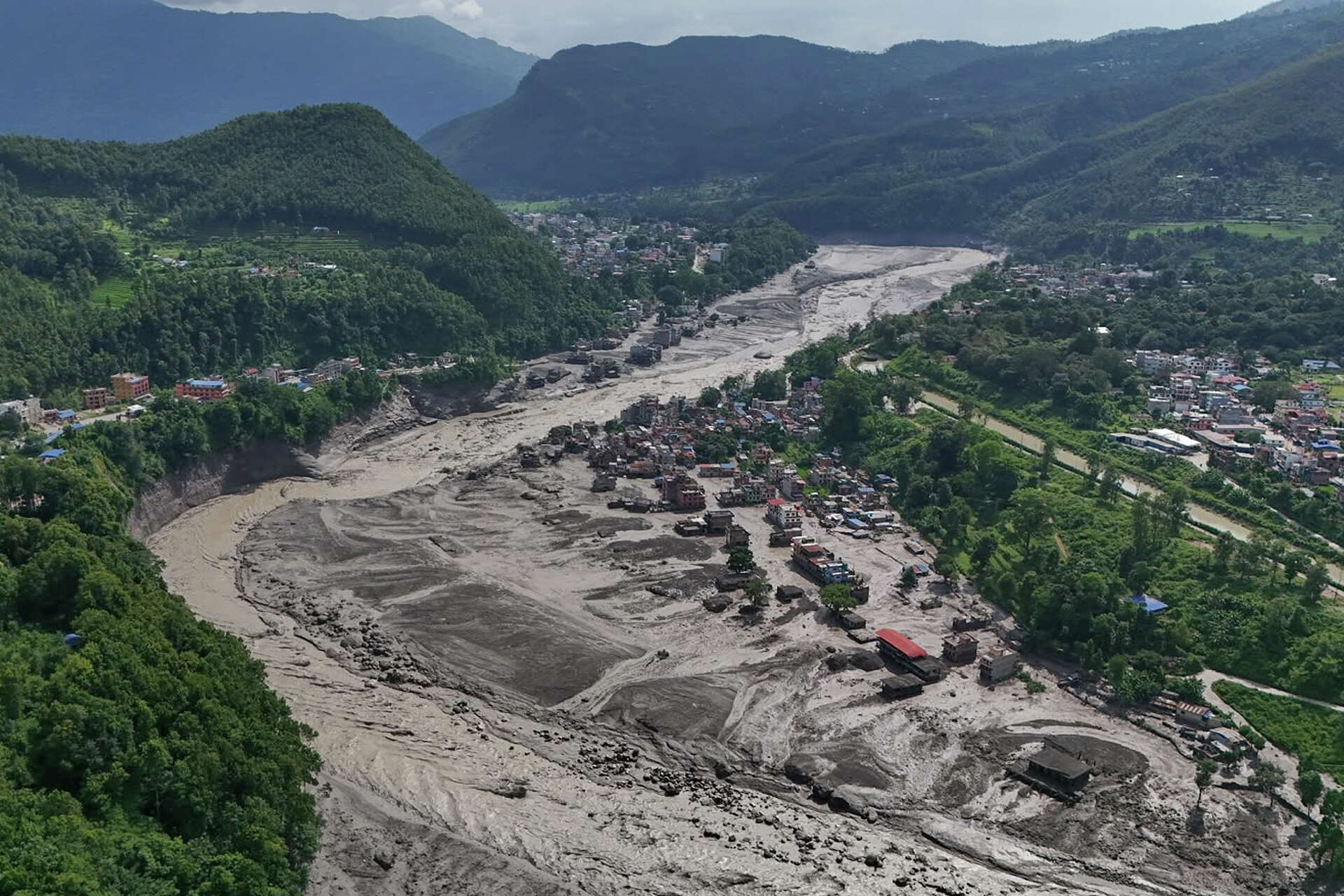
Nepal, Bhutan’s immediate neighbor, presents a stark contrast. High-altitude mountaineering, particularly on Mount Everest, has become central to Nepal’s tourism economy. However, extensive research and government data document growing problems, including overcrowding, severe waste pollution, glacier degradation, and increasing fatalities among climbers and Sherpa guides. Climate change has further amplified risks by destabilizing icefalls and accelerating glacial melt, making climbing more dangerous each year.
Despite higher permit fees and periodic cleanup campaigns, pollution and safety challenges in Nepal’s high mountains persist. This suggests that technical and financial measures alone are insufficient without structural policy reform. Bhutan’s example demonstrates that firm limits, guided by cultural ethics and ecological science, can prevent many of these problems before they arise.
Nepal could learn valuable lessons from Bhutan by rethinking its relationship with high mountains. Introducing stricter altitude-based regulations, limiting climber numbers, enforcing zero-waste policies, and expanding tourism beyond summit-centric models would reduce environmental pressure while protecting human lives. Recognizing mountains as cultural and ecological heritage, rather than commercial products, could also help shift policy in a more sustainable direction.
Ultimately, Bhutan’s ban sends a powerful message that not all progress requires conquest. By choosing to leave its highest peaks untouched, Bhutan affirms that respect for nature, cultural integrity, and ecological responsibility can define development. In an era of climate crisis and overcrowded mountains, this philosophy offers an important lesson for Nepal and the wider Himalayan region.