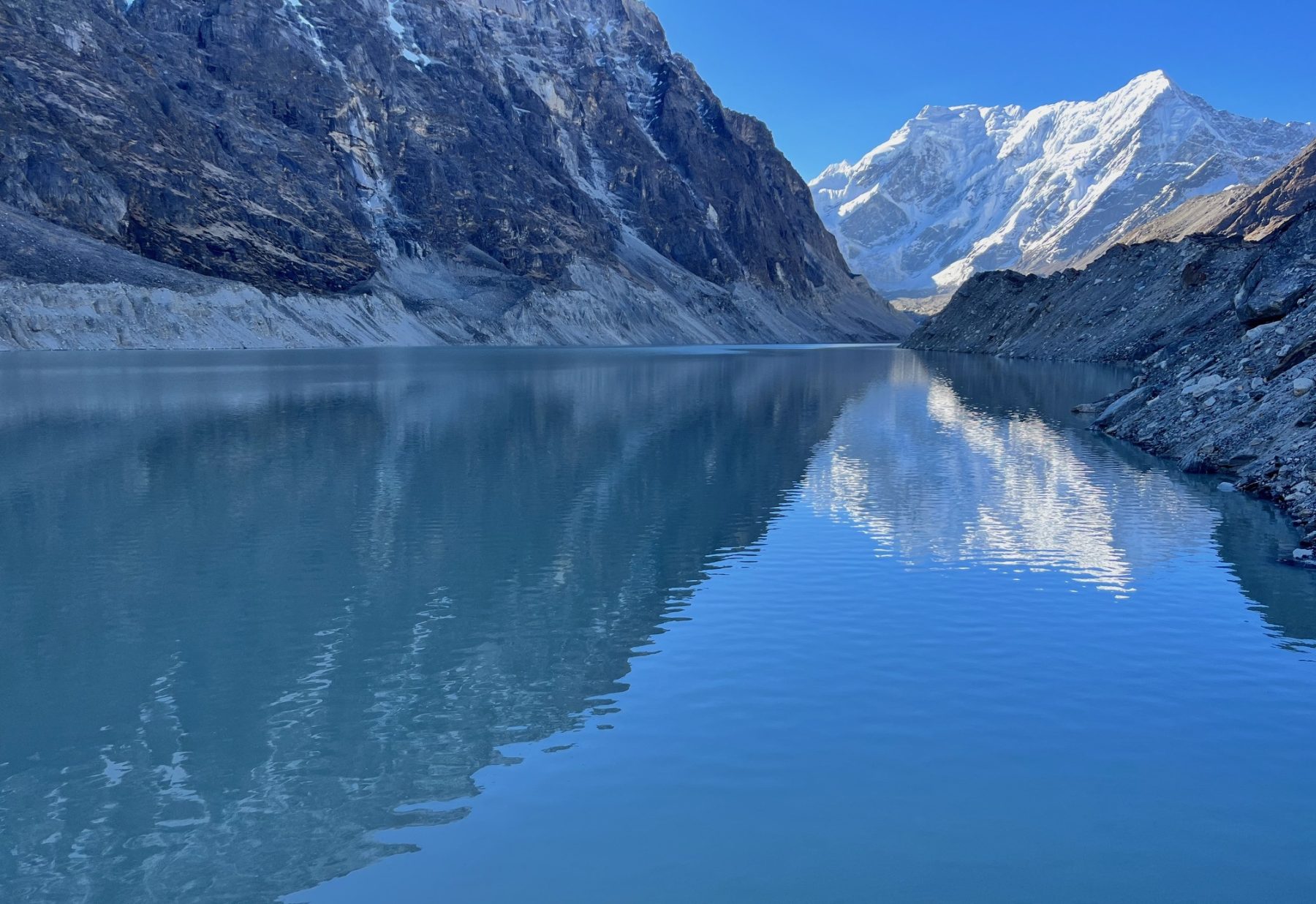

UN Warns World to Prepare for Warming Beyond 1.5°C
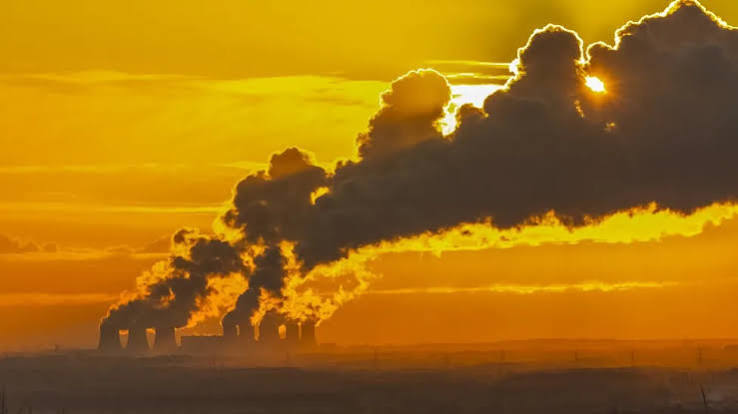
The world is increasingly likely to exceed the internationally agreed threshold of 1.5°C of global warming, prompting the United Nations to urge governments to prepare for a period of higher temperatures while accelerating efforts to limit further warming and eventually bring temperatures back down.
A new United Nations Environment Programme (UNEP) report, Limiting Overshoot: Navigating Exceedance of 1.5°C and Pathways Towards Return, concludes that temporarily crossing 1.5°C above pre-industrial levels is increasingly difficult to avoid under current emissions trajectories. According to UNEP, the threshold could be exceeded within the next several years.
Even if existing climate commitments are fully implemented, UNEP projects that global warming could reach at least 1.8°C. The report warns that the higher temperatures rise and the longer they remain above 1.5°C, the greater the risks to people, ecosystems and economies around the world.
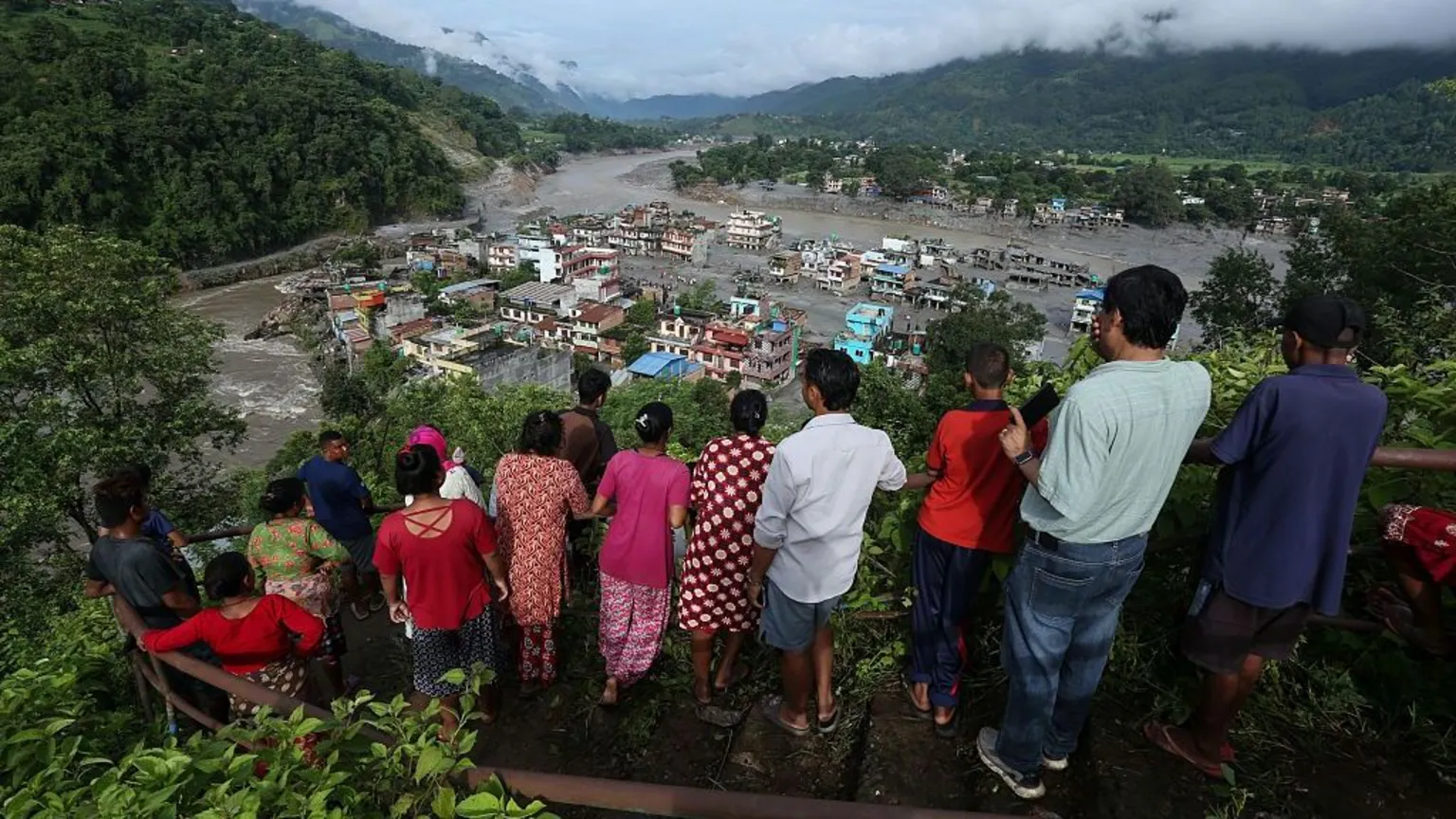
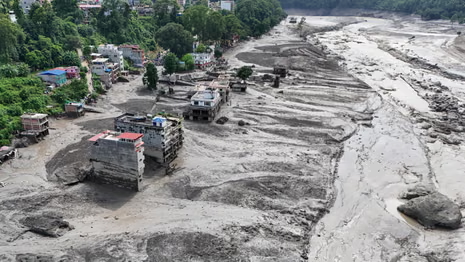
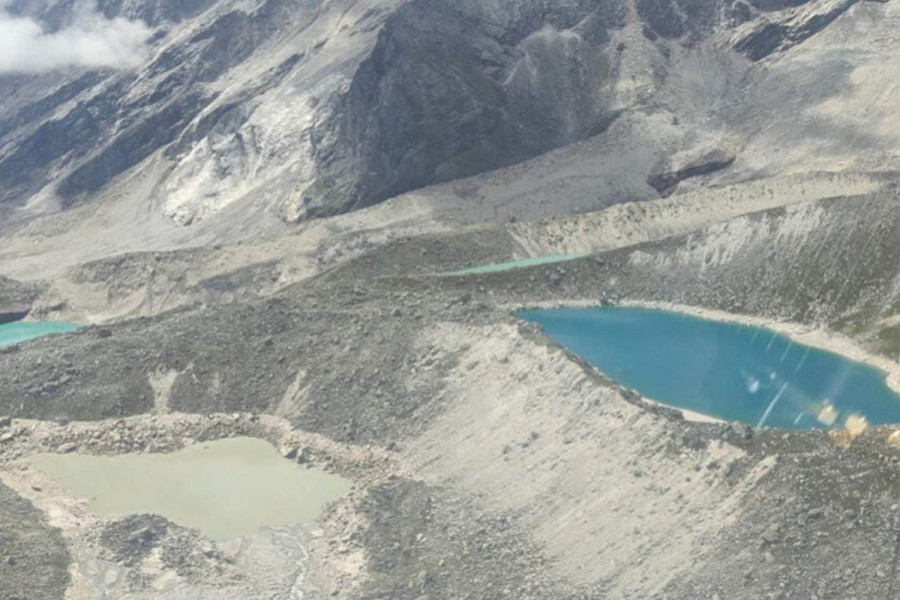
Higher temperatures are expected to intensify climate-related risks, including extreme heat and heavy rainfall, while contributing to glacier loss, sea-level rise and damage to ecosystems. Prolonged warming could also increase the possibility of major and potentially irreversible changes in important natural systems.
These risks are particularly significant for climate-vulnerable regions, including mountain and glacier-dependent communities, low-lying coastal areas and developing countries with limited resources to prepare for and respond to climate-related disasters.
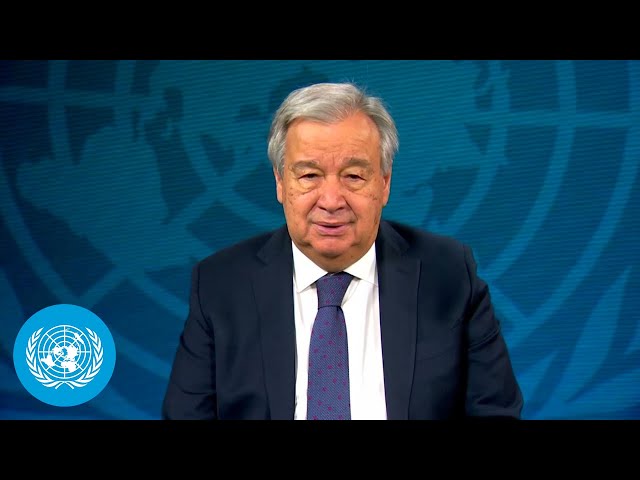
UN Secretary-General António Guterres, speaking at the launch of the report, warned that every additional fraction of warming carries consequences for lives, livelihoods and ecosystems. He called for faster reductions in fossil-fuel use, greater deployment of renewable energy, reductions in methane pollution and stronger protection of forests, land and oceans.
Guterres also urged governments to strengthen their national climate plans and net-zero commitments. He called on developed countries to substantially increase adaptation financing and ensure that financial support reaches communities and countries facing some of the greatest climate risks.
Rather than treating the crossing of 1.5°C as the end of international climate efforts, UNEP proposes an “overshoot, peak and decline” pathway. Under this approach, global temperatures would temporarily rise above 1.5°C, reach a peak and then gradually decline as greenhouse gas emissions fall toward net zero and eventually become net negative.
UNEP says the goal should be to keep any overshoot as small and short as possible while working toward bringing temperatures back to 1.5°C or below. Achieving this would require rapid and substantial reductions in greenhouse gas emissions, alongside measures to remove carbon dioxide already accumulated in the atmosphere.
Carbon removal could involve protecting and restoring forests and other natural ecosystems as well as developing technologies capable of capturing and storing carbon dioxide. However, UNEP emphasizes that carbon removal should complement, rather than replace, major reductions in greenhouse gas emissions.
Adaptation will also become increasingly important as some effects of climate change can no longer be completely avoided. Countries and communities will need stronger infrastructure, disaster preparedness, early-warning systems and other measures to protect people from heat, flooding, drought and other climate-related hazards.
The growing challenge has also intensified discussions over climate finance and equity. Developing and climate-vulnerable countries have repeatedly called for greater international support for adaptation, disaster preparedness and addressing climate-related loss and damage, particularly because many of these countries have historically contributed relatively little to global greenhouse gas emissions.
UNEP stresses that temporarily exceeding 1.5°C should not be interpreted as a reason to abandon climate action. Instead, every fraction of a degree of warming that can be prevented matters. Keeping peak temperatures lower and shortening the period above 1.5°C could significantly reduce risks to human health, food and water security, infrastructure, economies and natural ecosystems.
The report ultimately presents the 1.5°C threshold not as a point after which action becomes meaningless, but as a measure of increasing climate risk. Whether warming reaches 1.8°C, 2°C or higher could have significantly different consequences. How quickly governments, industries and societies reduce emissions and strengthen climate resilience will therefore play a major role in determining the scale of future impacts.
Source: United Nations Environment Programme (UNEP) and United Nations