
Climate Change and Multiple Factors Linked to Nepal’s Deadly Himalayan Flood Disaster
September 2026
A devastating rock-and-ice avalanche in Nepal’s Himalayas that unleashed a powerful flood wave in August appears to have resulted from a complex combination of geological instability, glacier retreat, thawing permafrost and unusually high temperatures, according to a new international scientific analysis. More than 20 climate scientists, glaciologists and mountain researchers examined the sequence of events surrounding the August 26 disaster and concluded that no single factor was responsible. Instead, several long-term and short-term processes appear to have combined to destabilize the mountain, while human-caused climate change contributed to conditions that made the high-altitude landscape increasingly vulnerable.
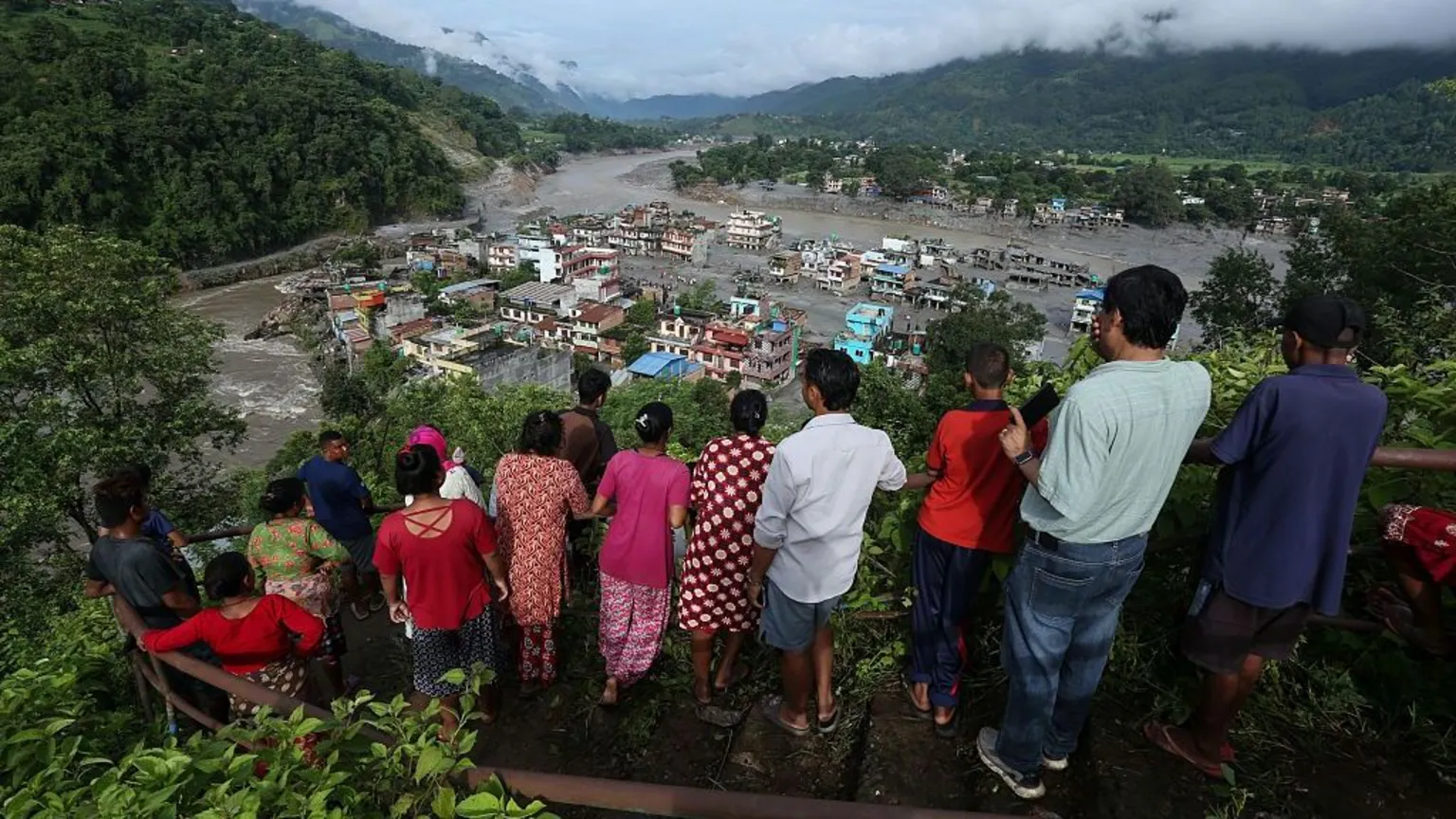
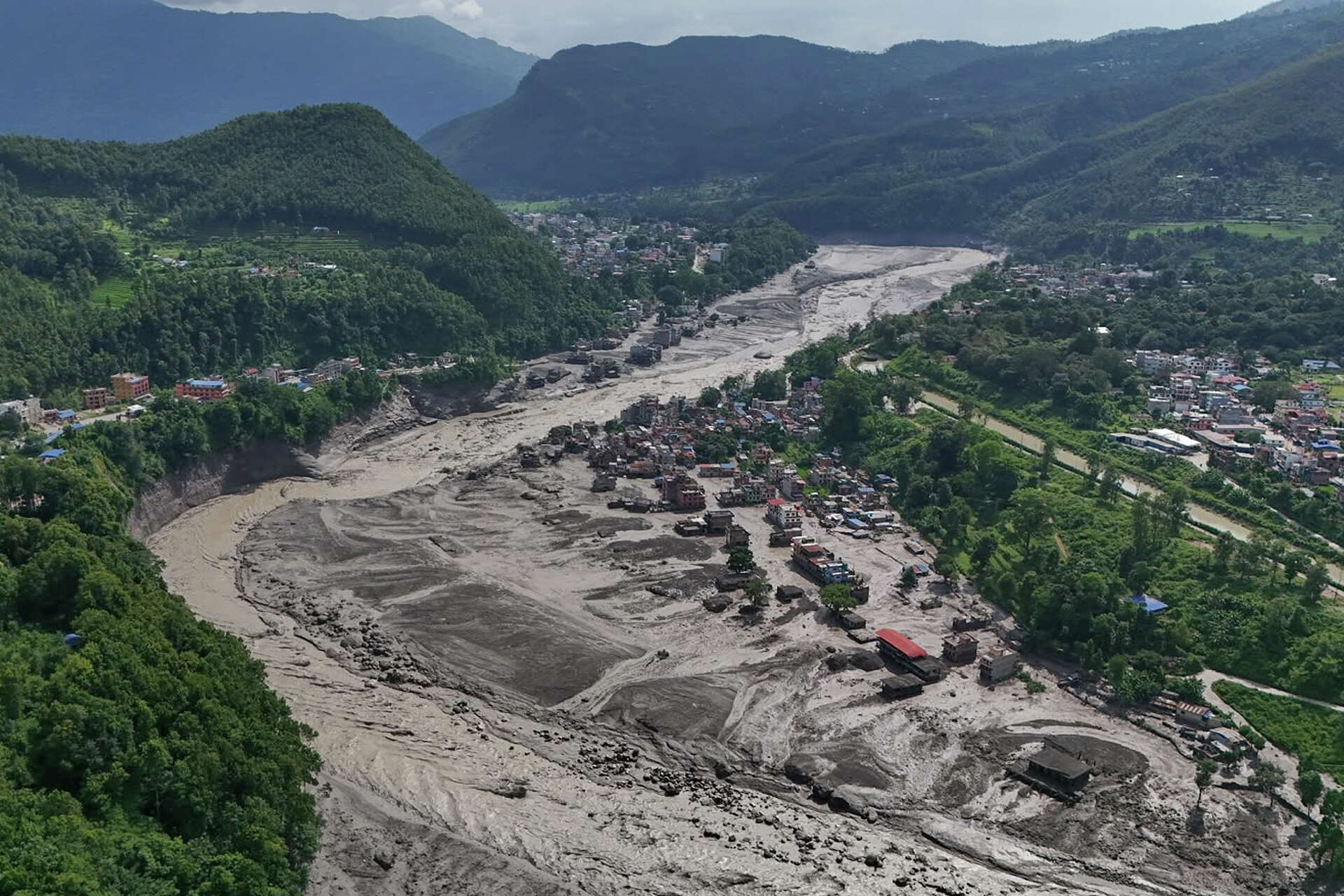
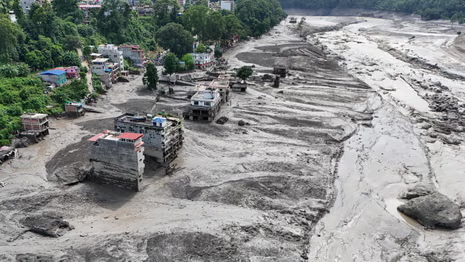
On August 26, a massive section of rock and glacier ice, estimated to be around 2,000 feet wide, broke away from Langtang Lirung in Nepal’s Himalayan region. The mass plunged approximately 7,000 feet into the valley below, generating enormous energy and heat. The impact rapidly melted large quantities of ice and created a powerful mixture of water, rock, sediment and debris that entered the river system and surged downstream through narrow Himalayan valleys. The destructive flood wave traveled more than 20 miles, devastating settlements, roads, bridges and other infrastructure along its path.
Researchers believe the mountain may already have been unstable for years before the 2026 collapse. One possible contributing factor was Nepal’s powerful 7.8-magnitude earthquake in April 2015, which triggered widespread landslides and avalanches throughout the Himalayan region, including a major rock-and-ice avalanche on Langtang Lirung. Scientists found evidence suggesting that landslide activity in the area increased after the earthquake. Fractures and weakened rock structures created or enlarged by seismic activity may have gradually made the mountain more susceptible to another major collapse.
Climate change appears to have added another layer of instability. As temperatures rise, the altitude at which atmospheric temperatures reach freezing has been moving upward in the Himalayas. Researchers estimate that this freezing level has been rising by more than 320 feet per decade. This warming is particularly important for high-altitude permafrost, a frozen mixture of rock, soil, sand and ice that can help hold fractured mountain slopes together. As permafrost thaws, the strength of the rock can decrease while liquid water is able to penetrate deeper into cracks and fractures, potentially increasing the risk of slope failure.
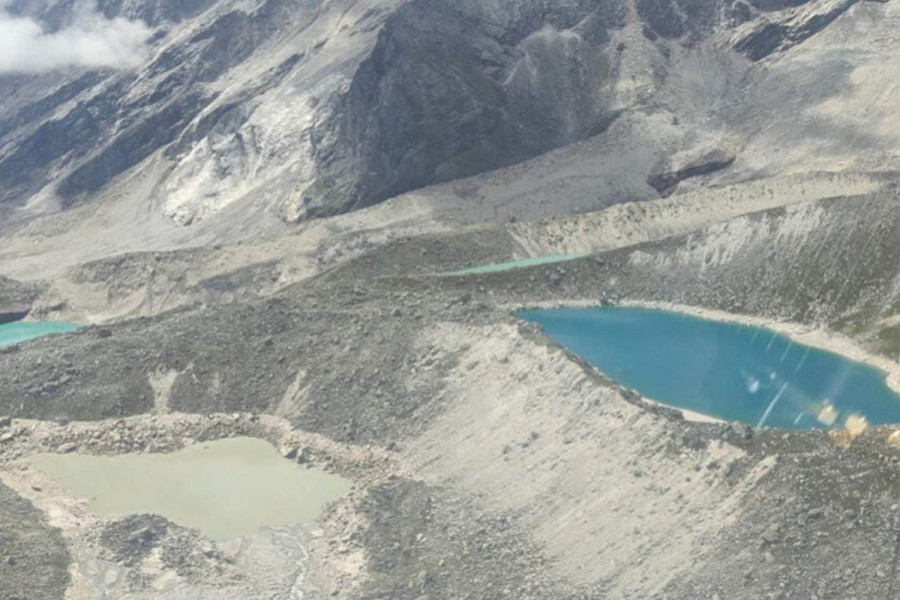
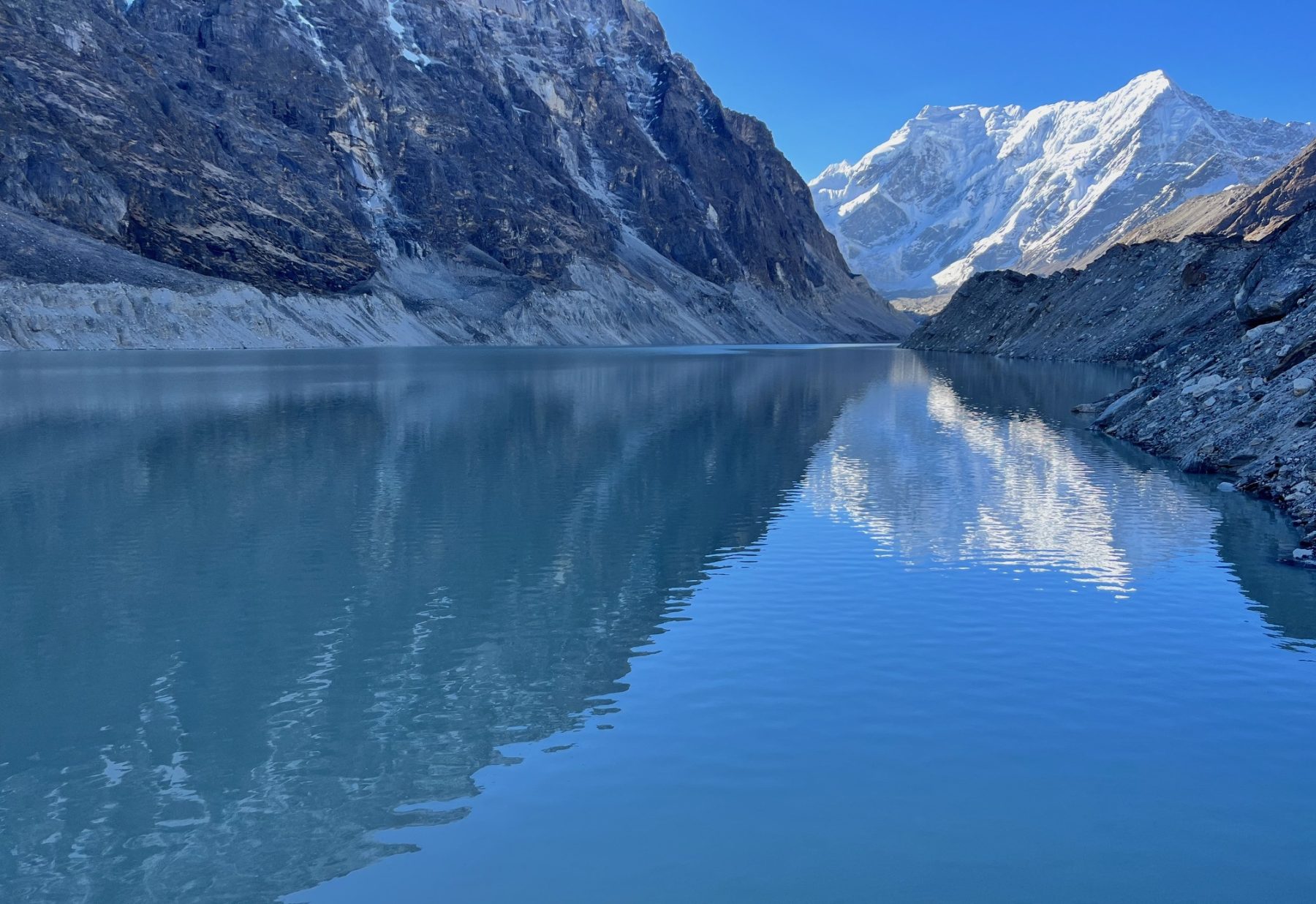
Changes in glaciers may also have contributed to the disaster. The Langtang-Lirung Glacier has experienced substantial thinning and retreat over recent decades, with particularly significant changes reported since around 2010. When glaciers shrink, mountain slopes can lose some of the physical support previously provided by glacier ice. At the same time, increased melting produces additional water that can enter fractures in exposed rock, further weakening already unstable terrain.
Scientists also examined weather conditions in the months leading up to the collapse. The region experienced unusually heavy snowfall during October and early November of the previous year, followed by exceptionally warm conditions during July and August 2026. Researchers estimated that July and August temperatures in the region are now approximately 1.5 degrees Celsius, or 2.7 degrees Fahrenheit, warmer because of human-induced climate change. Average annual temperatures in the region have increased by about 2 degrees Celsius, or 3.6 degrees Fahrenheit, highlighting the rapid warming taking place in high Himalayan environments.
The exceptional summer heat may have accelerated the melting of accumulated snow and glacier ice, producing additional meltwater that could penetrate fractures within the mountain and place further pressure on an already weakened slope. Researchers found greater uncertainty about the relationship between climate change and changes in local rainfall and snowfall, partly because the Himalayas are extremely difficult to monitor due to their rugged terrain, high elevations and limited long-term observational data. Nevertheless, the analysis indicates that human-caused warming contributed to several background conditions that increased the vulnerability of the mountain landscape.
The disaster demonstrates the growing risks facing communities throughout the Himalayan region. Rising temperatures are transforming glaciers, snow cover and permafrost while potentially affecting the stability of high mountain landscapes. These changes can contribute to cascading hazards involving avalanches, landslides, glacier-related floods and destructive debris flows. The August event was especially difficult because the mountain collapse developed with extraordinary speed and force. Researchers concluded that existing early-warning systems would likely have been unable to provide sufficient advance warning for an event of such magnitude.
The findings highlight the importance of expanding scientific monitoring of glaciers, permafrost, unstable mountain slopes and river systems throughout the Himalayas. Stronger disaster preparedness, improved communication systems, resilient infrastructure and better hazard mapping will also be increasingly important for communities living in vulnerable mountain valleys. At the same time, adaptation measures alone cannot eliminate every risk associated with a rapidly warming high-mountain environment.
The tragedy also raises broader questions about climate justice. Nepal contributes only a very small share of global greenhouse-gas emissions, yet its Himalayan communities are increasingly exposed to the consequences of a warming climate. Melting glaciers, thawing permafrost, unstable mountain slopes and changing water systems can threaten lives, settlements, infrastructure and livelihoods far beyond the immediate disaster zone.
The August catastrophe therefore represents more than an isolated natural disaster. It is a powerful reminder of the vulnerability of the Himalayan region in a warming world and of the need for stronger scientific monitoring, disaster preparedness, climate-resilient development and international cooperation. Reducing global greenhouse-gas emissions remains essential to limiting further warming, while greater international support will be necessary to help vulnerable Himalayan communities prepare for and respond to the growing risks associated with climate change.