
Nepal Moves to Drain Four High-Risk Glacial Lakes as Climate Threats Intensify
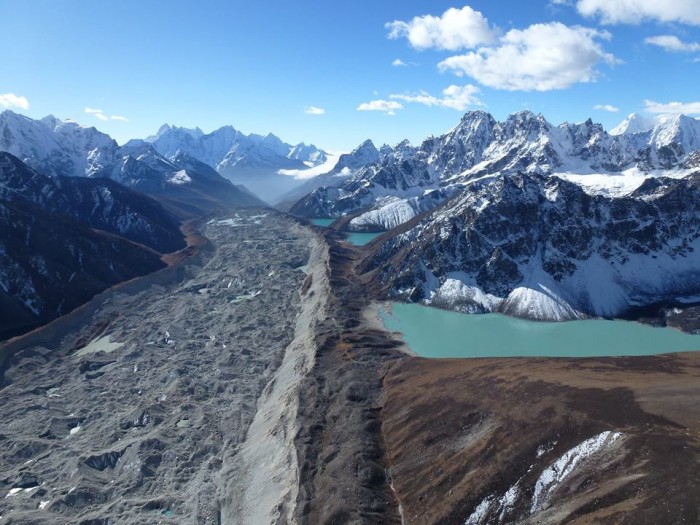
KATHMANDU, Nepal — Nepal is preparing to launch an ambitious project to lower the water levels of four potentially dangerous glacial lakes in the Himalayas as the country confronts growing risks from melting glaciers, unstable mountain slopes and increasingly destructive floods. The initiative comes amid heightened concern over climate-related disasters in the Himalayan region, where rapidly changing glaciers and expanding glacial lakes are creating new threats for communities and infrastructure downstream.
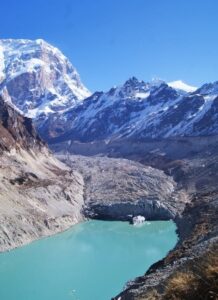
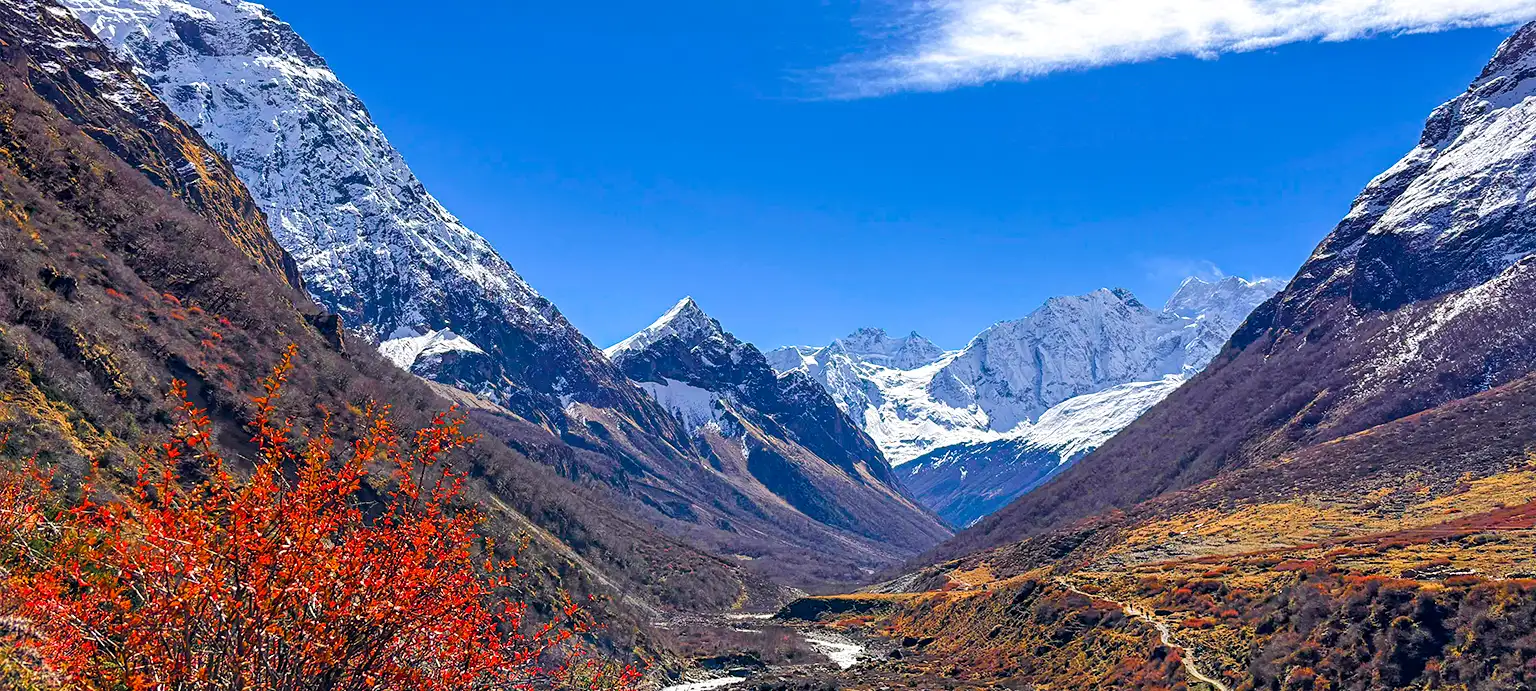
The project will focus on four glacial lakes, Thulagi, Lower Barun, Lumding Tsho and Hongu II — located in Nepal’s central and eastern Himalayan regions. Detailed studies and engineering design are expected to begin during the fiscal year ending in mid-July 2027. The lakes are situated at elevations ranging from approximately 4,050 meters to 5,483 meters, or about 13,280 to 18,000 feet above sea level. They have previously been identified among Nepal’s potentially dangerous glacial lakes by the United Nations Development Programme and the International Centre for Integrated Mountain Development.
Under the proposed project, engineers plan to gradually lower the water levels through controlled drainage systems, including canals and gated structures. Water would be released in a regulated manner into nearby rivers rather than being allowed to build up behind unstable natural barriers. The objective is to reduce pressure on the natural dams of rock, sediment and ice that hold back many Himalayan glacial lakes and thereby lower the possibility of a sudden breach.
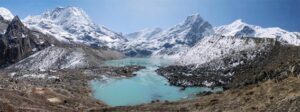
A collapse of such a natural dam can trigger what scientists call a Glacial Lake Outburst Flood, or GLOF. These floods can release enormous volumes of water with little warning and send powerful torrents through narrow mountain valleys. Along the way, the floodwaters can carry rocks, mud, ice and debris, destroying settlements, roads, bridges, hydropower facilities, agricultural land and other infrastructure. Because many Himalayan communities are located along river valleys, even an outburst originating far upstream can have devastating consequences downstream.
Subash Tuladhar, an expert with the government research center overseeing the project, said the goal is to reduce the possibility of the lakes breaching their natural dams and threatening downstream communities. Carrying out the work, however, will present significant challenges. Workers may have to remain for long periods at extreme elevations, where low oxygen levels, severe weather and difficult terrain can create serious health and logistical risks. Teams will also have to operate in environments where avalanches, landslides and sudden flooding remain possible.
Officials estimate that the overall project could take as long as six years to complete. Sanjeeb Baral, executive director of the research center, said physical drainage work would begin after detailed scientific and engineering studies are completed. The initiative will go beyond simply lowering the water levels. Plans also include installing monitoring sensors, strengthening flood forecasting and early-warning systems, and improving the ability of vulnerable downstream communities to prepare for and respond to future disasters.
The project is estimated to cost about $50 million and is expected to be financed through support from the Green Climate Fund, the United Nations Development Programme and the Government of Nepal. Nepal already has experience carrying out similar glacial lake risk-reduction projects. In 2000, authorities lowered the water level of Tsho Rolpa, one of the country’s most closely monitored glacial lakes, by approximately three meters. A similar intervention was later carried out at Imja Lake near Mount Everest. Those projects demonstrated that carefully lowering water levels can reduce pressure on unstable natural dams and decrease the potential severity of an outburst flood.
The new initiative comes as scientists warn that the Himalayan cryosphere, the region’s glaciers, snow, ice and frozen landscapes — is undergoing rapid change. As temperatures rise, glaciers retreat and leave behind depressions that can fill with meltwater. Over time, these bodies of water can grow into large glacial lakes. Some are contained only by moraines, loose accumulations of rocks, gravel, sediment and ice deposited by glaciers. Unlike engineered dams, these natural barriers can be unstable and vulnerable to sudden failure.
Scientists say earthquakes, avalanches, landslides, falling rock and ice, intense rainfall and rapid melting can all increase the possibility of a glacial lake outburst. Human activities in fragile mountain environments may also add pressure in some areas. Samjwal Ratna Bajracharya, a retired ICIMOD specialist on glaciers, glacial lakes and outburst floods, said lowering the water levels of vulnerable lakes by around three meters, or about 10 feet, could significantly reduce the danger. The concern is particularly serious because some Himalayan glacial lakes are expanding rapidly while the mountain landscapes surrounding them are becoming increasingly unstable.
For Nepal, the growing danger of glacial lake outburst floods is part of a much broader climate challenge. Although the country contributes only a very small share of global greenhouse-gas emissions, its mountainous geography makes it highly vulnerable to the consequences of a warming climate. Changes occurring high in the Himalayas can affect rivers, agriculture, hydropower, drinking water supplies and communities far downstream, making glacier loss not simply an environmental concern but also an economic and human-security issue.
Nepal has experienced roughly 26 glacial lake outburst flood events over the past four decades, according to figures cited by officials. The country also loses hundreds of lives and suffers millions of dollars in property and infrastructure damage from extreme climate-related events in an average year. Recent destructive flooding has further demonstrated how disasters originating in fragile mountain environments can quickly spread across valleys, damaging hydropower plants, highways, bridges, farmland and settlements.
The economic consequences can be enormous for a developing mountain nation. Rebuilding destroyed infrastructure and restoring local economies after major floods can require billions of dollars. Beyond the immediate financial losses, disasters can isolate remote communities, disrupt transportation and trade, damage agricultural livelihoods and place additional pressure on already limited government resources.
Nepal’s decision to lower the four high-risk glacial lakes therefore represents a shift toward prevention rather than relying primarily on disaster response after catastrophe strikes. Engineering interventions alone, however, cannot completely eliminate the danger. Scientists emphasize the need for continuous monitoring of glaciers and glacial lakes, improved satellite and ground-based observation, reliable early-warning systems, clearly planned evacuation routes and greater awareness among communities living downstream.
The issue extends well beyond Nepal. The Hindu Kush Himalayan region contains thousands of glaciers and glacial lakes and forms the headwaters of some of Asia’s most important river systems. Changes in the mountains can therefore affect water resources, agriculture, ecosystems and livelihoods across national borders. Protecting Himalayan communities will increasingly require cooperation among governments, scientists, local communities and international climate institutions.
Nepal’s effort to drain four potentially dangerous glacial lakes carries a wider message for the world: climate change in the Himalayas is no longer simply a prediction about what may happen decades from now. Its consequences are increasingly visible in retreating glaciers, expanding lakes, unstable mountain slopes and destructive floods. Lowering the water levels of these four lakes may reduce an immediate danger, but protecting the Himalayas over the long term will require sustained scientific monitoring, climate-resilient development, international financial support and stronger global action to address the causes of climate change.