
The Himalayas at COP31: Nepal and Bhutan’s Struggle to Put the Mountain Climate Crisis on the Global Agenda

As world leaders gather in Antalya, Türkiye, for COP31, Nepal and Bhutan are seeking international recognition of the accelerating climate crisis in the Himalayas. Their joint initiative raises fundamental questions about climate justice, the responsibility of major emitters, and the limitations of global climate diplomacy.
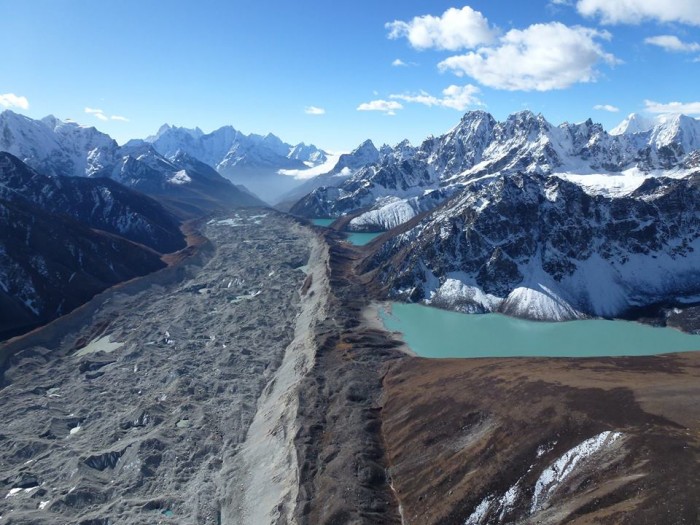
The Himalayas are experiencing a climate emergency whose consequences extend far beyond the snow-covered mountains of Nepal and Bhutan. Glaciers are retreating, glacial lakes are expanding, extreme weather events are becoming increasingly destructive, and mountain communities are confronting growing threats to their livelihoods, infrastructure and water resources. Yet the Himalayan crisis has struggled to secure a distinct and sustained place in international climate negotiations. At the 31st Conference of the Parties (COP31) to the United Nations Framework Convention on Climate Change (UNFCCC), taking place in Antalya, Türkiye, from 9 to 20 November 2026, Nepal and Bhutan have attempted to change that situation by demanding greater international attention to mountain ecosystems and the disproportionate consequences of global warming.
Their intervention is significant not simply because the Himalayas are environmentally vulnerable, but because it exposes a fundamental imbalance in the global climate system. Countries such as Nepal and Bhutan, which have contributed relatively little to the accumulation of greenhouse gases in the atmosphere, are experiencing serious consequences of emissions generated largely beyond their borders. Their demand for international recognition of mountain vulnerabilities is therefore inseparable from wider debates over climate justice, historical responsibility, adaptation finance and the effectiveness of international environmental governance.
A Warming Himalaya and an Emerging Regional Crisis
The Hindu Kush Himalayan region, often referred to as the Third Pole because of its vast reserves of snow and ice, is one of the world’s most important mountain systems. Its glaciers and snowfields help sustain major river basins, including the Indus, Ganges and Brahmaputra, on which hundreds of millions of people depend for agriculture, drinking water, energy production and economic activity. The ecological stability of this region is therefore closely connected to the broader environmental and economic security of South Asia.
Scientific evidence indicates that the Himalayan cryosphere is undergoing rapid transformation. According to the International Centre for Integrated Mountain Development (ICIMOD), glaciers across the Hindu Kush Himalayan region lost approximately 12 percent of their area and 9 percent of their estimated ice reserves between 1990 and 2020. The assessment also found that glacier ice-loss rates have approximately doubled since 2000. These findings illustrate the accelerating effects of climate change on high-altitude environments and reinforce concerns that continued warming could produce long-lasting changes in regional water systems (ICIMOD, 2026).
The consequences of glacier retreat are complex. Increased melting can contribute to the expansion of glacial lakes and heighten the risk of glacial lake outburst floods, which can destroy settlements, bridges, roads and hydropower infrastructure. Over the longer term, the depletion of glacier reserves threatens to alter seasonal river flows and reduce the reliability of water supplies during dry periods. Changes in precipitation patterns, snow cover and mountain ecosystems further compound the difficulties faced by rural communities whose livelihoods depend on agriculture, tourism, livestock and natural resources.
For Nepal and Bhutan, these developments create an especially difficult policy dilemma. Both countries must invest in adaptation and disaster preparedness while continuing to pursue economic development and poverty reduction. Their capacity to prevent the underlying causes of glacier retreat, however, remains extremely limited because those causes are linked to global greenhouse gas emissions. This imbalance has become central to their diplomatic argument at COP31.
Nepal and Bhutan’s Attempt to Internationalize the Mountain Agenda
On 29 October 2026, Nepal and Bhutan jointly submitted a proposal to the UNFCCC requesting the inclusion of a supplementary agenda item entitled “1.5°C Warming in Mountains” at COP31. The proposal marked a coordinated diplomatic effort to elevate mountain-specific climate vulnerabilities within the formal negotiating structure of the international climate regime.
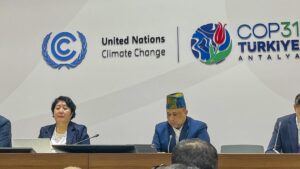
The two governments argued that mountain ecosystems are experiencing distinctive and potentially irreversible consequences of climate change that require focused international attention. Their submission called for improved scientific understanding of the effects of global warming and temporary temperature overshoot on mountain regions, an annual high-level dialogue on mountains and climate change, the establishment of a dedicated UNFCCC Work Programme on Mountain Ecosystems, and the integration of mountain-specific vulnerabilities into adaptation frameworks, climate finance and mechanisms addressing loss and damage (Government of Nepal and Royal Government of Bhutan, 2026).
The proposal is important because it seeks to move the Himalayan crisis from the margins of international climate discussions into the institutional center of climate negotiations. Mountain-related risks have been discussed within existing UNFCCC processes, but Nepal and Bhutan contend that these arrangements have not provided sufficient continuity, visibility or attention to the particular challenges faced by mountain countries.
Their initiative also reflects a broader diplomatic strategy among vulnerable developing countries: transforming scientific evidence of environmental risk into a basis for international recognition, institutional commitments and financial assistance. By proposing a dedicated agenda item, Nepal and Bhutan sought not merely to raise awareness but to influence the procedures through which climate priorities are negotiated and implemented.
The distinction matters. International conferences frequently acknowledge the vulnerability of particular regions, yet such recognition does not necessarily produce new financing, technical assistance or accountability mechanisms. Nepal and Bhutan’s proposal attempted to bridge that gap by connecting mountain vulnerability to specific institutional measures.
Climate Justice at the Center of Nepal’s Demands
Nepal’s position at COP31 is rooted in the principle that countries contributing least to global climate change should not be expected to shoulder its consequences without international support. Although Nepal’s contribution to global greenhouse gas emissions is negligible compared with that of major industrial economies, the country faces mounting economic and human costs from climate-related disasters. The retreat of Himalayan glaciers, increasing flood risks, unstable mountain slopes and changing precipitation patterns threaten infrastructure, agricultural production, hydropower and rural livelihoods. Nepal’s argument is that these consequences cannot be addressed through domestic policies alone, particularly when the financial resources required for adaptation exceed the capacity of vulnerable developing economies.
Climate finance has therefore emerged as a central element of Nepal’s negotiating position. The country is seeking more accessible, predictable and adequate financial support for adaptation, disaster preparedness and recovery. This includes resources for glacier monitoring, early warning systems, climate-resilient infrastructure and community protection. Nepal has also emphasized the importance of financing arrangements that do not deepen the debt burdens of vulnerable countries. From a climate justice perspective, the distinction between grants and loans is important: when countries must borrow to recover from disasters associated with global warming, the financial consequences of climate change can become an additional obstacle to development.
The issue of loss and damage is equally significant. Adaptation measures can reduce vulnerability, but they cannot eliminate every consequence of climate change. When a glacial lake outburst flood destroys a village, when agricultural land becomes unusable or when communities are displaced from ancestral settlements, the resulting losses may extend beyond what conventional adaptation programmes can address. Nepal’s demands consequently reflect the need for international mechanisms capable of responding to both economic and non-economic losses. At COP31, Nepali negotiators have pressed for stronger recognition of mountain vulnerabilities in conference decisions and improved access to loss-and-damage financing. Foreign Minister Shisir Khanal emphasized the importance of incorporating mountain concerns into international decision-making, while officials acknowledged the political challenges surrounding the proposed agenda item.
The broader implication is that Nepal is attempting to redefine the Himalayan climate crisis as a question of international responsibility rather than a purely national development problem. Its position challenges an approach to climate governance in which vulnerable countries are expected to adapt primarily through their own resources despite having limited influence over global emissions.
Bhutan’s Climate Diplomacy: Conservation Cannot Stop Global Warming
Bhutan’s participation in the joint initiative with Nepal carries particular significance because the country has long emphasized environmental conservation, forest protection and sustainable development. Yet its experience demonstrates that national environmental commitments, however substantial, cannot shield mountain ecosystems from climate change driven by global emissions. Bhutan’s glaciers, rivers and high-altitude ecosystems remain vulnerable to rising temperatures, while glacier-related hazards threaten settlements, transport infrastructure and hydropower facilities.
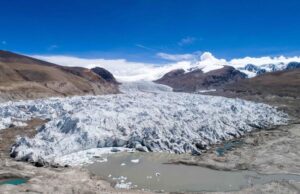
The participation of Bhutan’s Department of Environment and Climate Change in COP31 mountain discussions reflects the country’s concern about these risks. Alongside Nepal, Bhutan has called for scientific assessments of warming in mountain regions, sustained international dialogue and the integration of mountain vulnerabilities into climate adaptation and finance mechanisms. The involvement of senior Bhutanese environmental officials in mountain-focused discussions organized with ICIMOD also underscores the importance of linking scientific evidence with international policy negotiations.
The joint initiative also reflects the strategic value of cooperation among smaller mountain countries. Individually, Nepal and Bhutan possess limited influence over global climate negotiations. Together, and through cooperation with other mountain states, they can present the Himalayan crisis as a shared international concern. This approach became visible during the COP31 Leaders’ Summit on 12 November, when Nepal, Bhutan, Kyrgyzstan, Tajikistan and Pakistan jointly hosted a high-level event addressing glaciers, the cryosphere, temperature overshoot, shared responsibility and sustainable financing. The event’s inclusion in the official summit programme demonstrates that mountain countries have succeeded in attracting high-level attention, even as the status of their proposed formal negotiating agenda remains contested.
Why the 1.5°C Target Matters for the Himalayas
The emphasis on 1.5°C warming in the Nepal–Bhutan proposal is particularly important because mountain ecosystems can respond differently to global warming than lowland environments. The Paris Agreement established the objective of pursuing efforts to limit global temperature increases to 1.5°C above pre-industrial levels. However, the global average does not fully capture the magnitude of warming and ecological change experienced in high-altitude regions. Himalayan glaciers are sensitive to temperature increases, changes in snowfall, atmospheric pollution and other environmental pressures. Continued warming can accelerate glacier retreat, alter river systems and increase the risks associated with unstable glacial lakes.
Nepal and Bhutan’s concern about temperature overshoot adds another dimension to this debate. Overshoot refers to a situation in which global temperatures temporarily exceed a target before potentially declining later. For Himalayan ecosystems, temporary warming above 1.5°C may still cause damage that cannot be reversed on human timescales. Glaciers that lose substantial ice mass cannot quickly recover, even if temperatures subsequently stabilize. The disappearance of glacier ice can also alter water availability, landscape stability and the environmental conditions on which mountain communities depend.
This argument challenges climate strategies that place excessive confidence in the possibility of reversing environmental damage through future emissions reductions or carbon removal. For mountain countries, the pathway of global warming matters as much as the eventual temperature outcome. The demand for scientific assessment of temperature overshoot therefore has direct implications for global mitigation policy. It emphasizes the importance of rapid emissions reductions and of recognizing ecological thresholds beyond which adaptation becomes increasingly difficult.
The Diplomatic Reality: Recognition Without a Dedicated Agenda
Despite the urgency of the Himalayan crisis, Nepal and Bhutan’s effort to establish a dedicated COP31 agenda item has encountered resistance. Their proposal was formally included in the supplementary provisional agenda circulated by the UNFCCC, but this procedural inclusion did not guarantee its adoption as a separate negotiating item. The official COP31 agenda documentation confirms that the proposal was submitted on 29 October and incorporated into the supplementary provisional agenda for consideration.
According to the International Institute for Sustainable Development’s Earth Negotiations Bulletin, the COP31 presidency announced on 9 November that consultations on mountains and climate change would continue. Mountain issues were also expected to feature in an upcoming Research Dialogue and in subsidiary-body discussions during 2027 and 2028, with reporting to subsequent conferences. However, these arrangements differed from Nepal and Bhutan’s original request for a dedicated mountain work programme and annual high-level dialogue.
Reporting from The Kathmandu Post on 13 November indicated that some countries supported the mountain initiative while others remained reluctant. Nepal’s foreign minister acknowledged the difficulties of securing agreement and emphasized the need for mountain vulnerabilities to be recognized in international decision-making.
This development reveals an important feature of international climate diplomacy: the existence of strong scientific evidence does not necessarily lead to institutional or financial commitments. International negotiations operate through political bargaining among countries with different interests, responsibilities and capacities. Even when the vulnerability of a region is widely acknowledged, disagreement may arise over whether it requires a new negotiating mechanism or should be addressed through existing institutions.
The debate also raises a legitimate institutional question. Establishing a dedicated mountain work programme could provide continuity, political visibility and a stronger basis for mobilizing resources. Conversely, incorporating mountain priorities into existing adaptation and finance mechanisms might avoid institutional duplication and allow more immediate implementation. The UNFCCC’s October 2026 report on the Dialogue on Mountains and Climate Change documented differing views about the appropriate form and frequency of continued engagement, including concerns about overlapping existing processes.
The central issue, therefore, is not simply whether the Himalayas receive a separate agenda item. It is whether the international climate regime can establish effective arrangements that translate recognition into research, financial support, early warning systems, resilient infrastructure and measurable reductions in vulnerability.
From the Himalayas to the Plains: A Shared Climate Threat
The importance of Nepal and Bhutan’s initiative extends beyond the geographical boundaries of the two countries. The Himalayan region is closely connected to the water, food and energy security of South Asia. Rivers originating in the mountains support large populations downstream, including communities in India, Bangladesh and Pakistan. Glacier retreat, changing snowmelt patterns and extreme precipitation can therefore produce consequences across national borders.
The Himalayan crisis also highlights the need for stronger regional cooperation. Monitoring glaciers and glacial lakes, sharing hydrological data, developing cross-border early warning systems and coordinating disaster preparedness would help countries respond to emerging risks. Scientific institutions such as ICIMOD play an important role in generating regional evidence and supporting cooperation. Its 2026 glacier assessment provides an important scientific basis for understanding the changing Himalayan cryosphere and the need for coordinated adaptation policies.
However, regional cooperation alone cannot resolve the underlying causes of glacier retreat. Without substantial reductions in global greenhouse gas emissions, adaptation efforts will face increasingly difficult conditions. The most effective response consequently requires action at several levels: international mitigation, accessible climate finance, regional scientific cooperation and locally appropriate adaptation measures. Nepal and Bhutan’s diplomatic initiative reflects this interconnected understanding of the crisis.
The Larger Question of Climate Justice
The intervention of Nepal and Bhutan at COP31 illustrates a deeper inequality within the international climate system. The countries most vulnerable to particular climate impacts often possess limited economic resources and comparatively little influence over the global activities responsible for those impacts. Himalayan communities may face the destruction of homes, infrastructure, agricultural land and cultural landscapes because of environmental changes associated with emissions produced far beyond the region.
This raises difficult questions about how responsibility should be distributed within international climate governance. The principle of common but differentiated responsibilities and respective capabilities recognizes that countries have different historical contributions to climate change and different capacities to respond. Nepal and Bhutan’s demands can be understood as an effort to apply this principle to the distinctive vulnerabilities of mountain ecosystems.
Yet climate justice cannot be measured solely through declarations of solidarity. Its practical significance depends on whether vulnerable countries receive adequate financing, scientific support and institutional opportunities to influence decisions affecting their future. The Himalayan initiative therefore provides a useful test of the gap between the normative commitments of international climate agreements and the realities of implementation.
For Nepal and Bhutan, the challenge is to ensure that the Himalayas are not recognized only after major disasters or during high-profile international conferences. Sustained international attention is necessary because glacier retreat and related ecological changes unfold over decades, while the consequences for mountain communities can be sudden and devastating.
Conclusion: Will COP31 Deliver for the Himalayas?
Nepal and Bhutan’s joint intervention at COP31 represents an important effort to bring the Himalayan climate crisis into the mainstream of international climate negotiations. Their proposal for a dedicated agenda item on 1.5°C warming in mountains has highlighted the urgency of glacier retreat, water insecurity, disaster risks and the potentially irreversible consequences of global warming. It has also drawn attention to the broader issues of climate justice, adaptation finance, loss and damage, and the responsibility of the international community toward vulnerable mountain countries.
The initiative has achieved visibility through formal submissions, high-level discussions and continued consultations, but it has not yet secured the dedicated institutional framework originally requested by Nepal and Bhutan. This distinction is significant. Diplomatic recognition can create opportunities for future cooperation, but its value ultimately depends on the policies, financing and technical assistance that follow.
As COP31 continues in Antalya, the Himalayan crisis presents a fundamental challenge to international climate governance. The future of the Himalayas cannot be secured through national conservation efforts alone, nor can the consequences of glacier retreat be confined within the borders of mountain countries. Protecting this region requires rapid global emissions reductions, sustained adaptation financing, scientific cooperation and greater attention to the needs of vulnerable communities.
For Nepal and Bhutan, the central demand is clear: the Himalayas should no longer remain a peripheral concern in global climate negotiations. Their environmental future is closely connected to the security and prosperity of populations across South Asia, making mountain protection a matter of regional and international responsibility. Whether COP31 can translate this recognition into concrete commitments remains an important question for the conference’s final negotiations.
Bhutan Creates History by Building 108 Sacred Stupas in a Single Day at Gelephu Mindfulness City
2 weeks ago
California Sherpa Association Transfers Over $116,000 to Nepal Prime Minister’s Relief Fund
2 weeks ago


United Sherpa Association Transfers $30,521 to Nepal’s Prime Minister’s Disaster Relief Fund
1 month ago