
Nepal Remains Open for Tourism Despite Catastrophic Floods in Rasuwa–Bhotekosh

KATHMANDU — The catastrophic floods in Nepal’s Rasuwa–Bhotekoshi area have caused devastating human and physical losses, affecting communities, roads and infrastructure and disrupting access to parts of the Langtang region. While the scale of the disaster deserves national and international attention and support, travelers should understand that the affected area represents only one part of Nepal’s vast and geographically diverse tourism landscape.
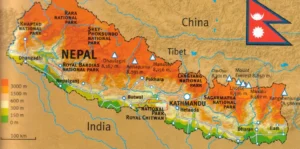
Nepal is an exceptionally diverse country, geographically, climatically, culturally, and ecologically. Within a relatively small territory, the country rises from the subtropical plains of the Terai to the hills and valleys of the midlands and ultimately to the world’s highest Himalayan peaks. This extraordinary variation means that weather conditions, natural hazards and accessibility can differ significantly from one region to another. A flood or landslide affecting one Himalayan corridor does not necessarily mean that the same conditions exist throughout Nepal.

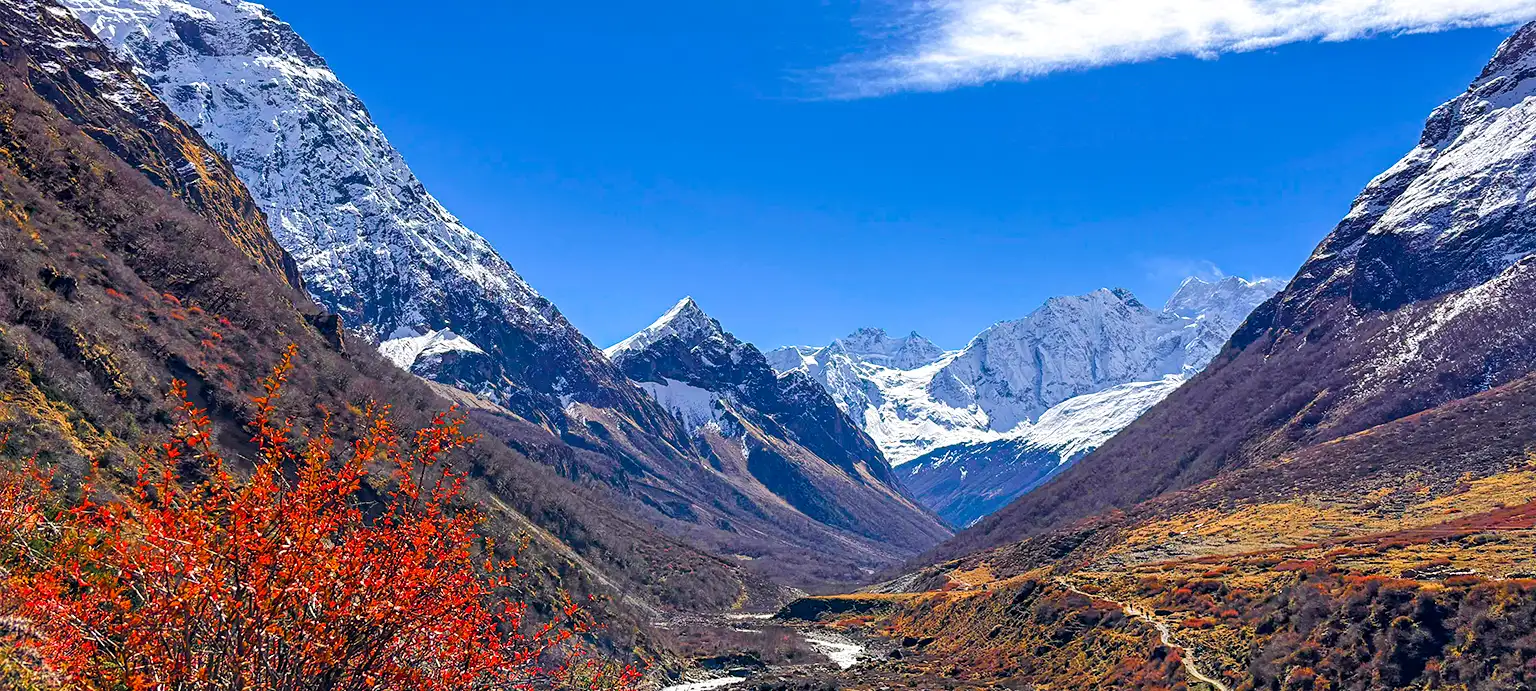
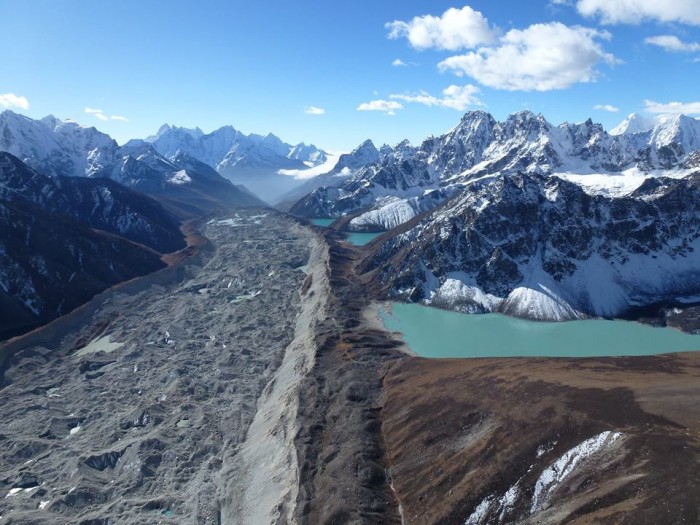
This geographic diversity is also one of Nepal’s greatest tourism strengths. Visitors can experience snow-covered Himalayan mountains, high-altitude deserts, alpine valleys, forests, lakes, rivers, subtropical jungles, ancient cities and rural villages, often within a single journey. Nepal is equally rich in cultural diversity, with numerous ethnic communities, languages, traditions, religions, festivals and ways of life that have developed across its mountains, hills and plains over generations.
For this reason, the catastrophic flooding in Rasuwa–Bhotekoshi should not create the impression that Nepal as a whole is closed or unsafe for international visitors. Travelers planning to enter directly affected areas should follow official restrictions and local safety guidance, but those traveling elsewhere in the country should assess conditions according to their specific destinations rather than canceling an entire Nepal itinerary.
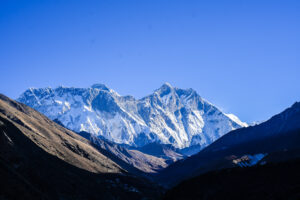
Many of Nepal’s most internationally renowned tourism destinations are located outside the affected area. The Annapurna region remains one of the country’s best-known trekking destinations, with routes including Annapurna Base Camp, the Annapurna Circuit and Ghorepani–Poon Hill. The Everest region, including the Khumbu Valley, Namche Bazaar and the route toward Everest Base Camp, attracts trekkers and mountaineers from around the world.
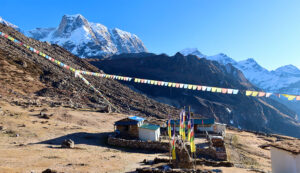
The Manaslu region is celebrated for its spectacular mountain scenery, remote trails and culturally rich Himalayan settlements, while the Makalu region offers wilderness trekking around one of the world’s highest mountains. Mustang, with its dramatic high-altitude desert landscapes, ancient monasteries, caves and Tibetan-influenced Himalayan culture, offers another completely different experience.
Pokhara, Nepal’s famous lake city and gateway to the Annapurna Himalayas, is one of the country’s principal tourism centers, known for mountain views, lakes, hiking and adventure activities. Chitwan, by contrast, represents Nepal’s subtropical landscape, offering forests, wildlife, nature tourism and cultural experiences far removed from the high Himalayas.
Visitors can also explore the historic Kathmandu Valley, including Kathmandu, Patan and Bhaktapur, with its centuries-old temples, stupas, monasteries, palaces and heritage sites. Lumbini, the birthplace of Lord Buddha, remains one of the world’s most important Buddhist pilgrimage destinations. Beyond these internationally recognized places, Nepal offers countless other opportunities for trekking, hiking, mountaineering, pilgrimage, rafting, wildlife tourism, cultural exploration and community-based travel.
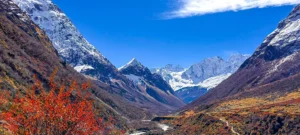
September, October and November constitute Nepal’s important autumn trekking and tourism season. Travelers from around the world traditionally arrive during this period to experience Himalayan trekking, mountain scenery, cultural heritage and outdoor activities. October and November are particularly popular as the monsoon withdraws and conditions generally become more favorable for trekking in many parts of the country.
Travelers should nevertheless remain informed and exercise appropriate caution. Nepal’s mountainous geography means that weather, landslides, river conditions, roads, trekking trails and domestic flights can change quickly. Visitors should check current official advisories, weather forecasts, transportation conditions and trail information before traveling, particularly in mountain areas. Any location subject to disaster-related restrictions should be avoided until authorities determine that access is appropriate.
The important distinction is that a natural disaster affecting one region should not automatically be interpreted as a nationwide tourism emergency. Travelers may need to modify a particular route or destination, but in many circumstances they can choose from Nepal’s numerous alternative destinations rather than canceling their entire trip.
Continuing responsible tourism is particularly important at a time when Nepal is recovering from a natural disaster. Tourism supports trekking and mountain guides, porters, high-altitude workers, hotels, lodges, homestays, restaurants, transportation providers, artisans, farmers, and thousands of other workers and small businesses. In many mountain communities, income earned during the autumn tourism season supports families throughout much of the year.
Unnecessary cancellations in unaffected areas can therefore create additional economic hardship for communities that were not directly damaged by the floods. When visitors continue traveling responsibly, their spending on local accommodation, guides, food, transportation and services contributes directly to local livelihoods and Nepal’s wider economy.
Nepal needs international solidarity as families affected by the Rasuwa–Bhotekoshi disaster mourn their losses and communities begin the difficult process of relief, recovery and reconstruction. Humanitarian assistance is essential for those directly affected. At the same time, solidarity with Nepal can also mean continuing to visit the country responsibly rather than staying away from unaffected destinations.
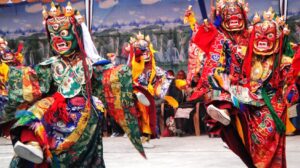
From the Everest, Annapurna, Manaslu and Makalu regions to Mustang, Pokhara, Chitwan, Kathmandu Valley, Lumbini and many other destinations, Nepal offers an extraordinary variety of landscapes and experiences. Its diversity is precisely why conditions in one area should not be generalized to the entire country.
The message to international travelers considering Nepal this autumn is therefore clear: stay informed, respect official restrictions, adjust your itinerary where necessary, and travel responsibly, but there is no need to cancel an entire journey to Nepal simply because one region has suffered a devastating natural disaster.
At this difficult time, traveling responsibly can be more than a holiday. It can help sustain local jobs, support families and communities, strengthen Nepal’s tourism economy, and contribute to the country’s recovery.
Nepal remains open to the world. Visit responsibly, experience its extraordinary diversity, and support Nepal through tourism.


United Sherpa Association Transfers $30,521 to Nepal’s Prime Minister’s Disaster Relief Fund
2 weeks ago
Global Sherpa Conference 2026: A Global Gathering to Preserve Heritage, Identity and Unity
2 weeks ago