
Nepal Tourism at a Climate Crossroads
On the Occasion of World Tourism Day 2026
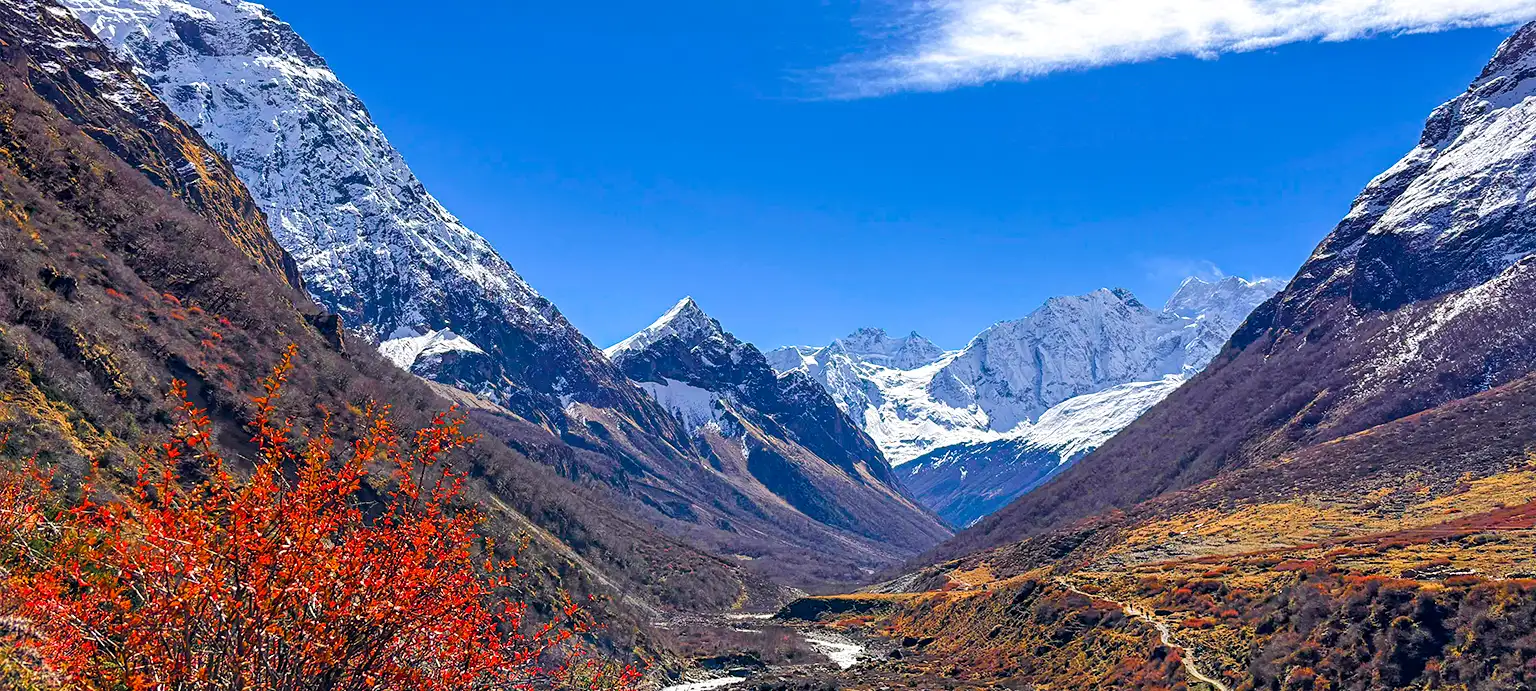
Every year on September 27, World Tourism Day provides an opportunity not only to celebrate tourism but also to examine the challenges facing the industry and consider how tourism must adapt to a rapidly changing world. For Nepal, this discussion has become increasingly important. Tourism is closely connected with the country’s mountains, natural environment, cultural heritage and rural economy. From Mount Everest and the greater Himalayan range to ancient cultural sites, pilgrimage destinations, national parks and trekking trails, Nepal possesses extraordinary tourism resources. The industry also supports a broad economic network involving hotels, airlines, trekking and expedition companies, guides, porters, restaurants, transportation businesses, handicraft producers and thousands of families in remote mountain communities.
Nepal received around 1.15 million international visitors in 2025, demonstrating the continuing recovery and resilience of the tourism sector following the disruption caused by the COVID-19 pandemic. Yet visitor numbers alone do not tell the whole story. Nepal’s tourism economy remains highly sensitive to natural disasters, transportation disruption, political instability, global economic conditions and, increasingly, climate-related hazards. For communities whose livelihoods depend heavily on trekking, mountaineering and seasonal tourism, even a few weeks of severe weather during the peak season can have significant economic consequences.
Traditionally, Nepal has considered September to November and March to May its two major tourism seasons. Spring attracts trekkers, climbers and mountaineering expeditions, while autumn has generally been regarded as one of the most favorable periods because the summer monsoon is expected to withdraw, skies become clearer and mountain conditions become relatively stable. September to November is particularly important to Nepal’s tourism economy, with recent industry reporting estimating that these three months account for nearly 40 percent of annual tourist arrivals.
However, the fundamental question is whether this traditional tourism calendar can continue to be treated as reliably as it was in the past. Climate and weather patterns do not necessarily follow a tourism calendar. Recent events surrounding World Tourism Day 2026 provide an important warning. Instead of a straightforward transition from the summer monsoon toward stable autumn conditions, Nepal experienced persistent rainfall toward the end of September. Continuous rain caused floods and landslides, disrupted important roads and increased risks in different parts of the country. At higher elevations, snowfall and severe weather created additional difficulties for trekkers and mountain communities. Nepal’s meteorological authorities advised against unnecessary long-distance travel during periods of severe weather and warned trekkers in Himalayan regions to move toward safer elevations.
Such events should not lead us to conclude that every September will now be dangerous or that Nepal’s traditional tourism seasons have suddenly disappeared. Weather naturally varies from year to year, and individual extreme events cannot alone establish a completely new climatic pattern. Nevertheless, repeatedly occurring extreme rainfall, delayed monsoon conditions, unpredictable snowfall, landslides, floods, and rapidly changing mountain weather deserve serious attention. The question is no longer simply whether September historically belonged to the trekking season. The more important question is whether conditions in a particular region are safe at the particular time tourists are traveling.
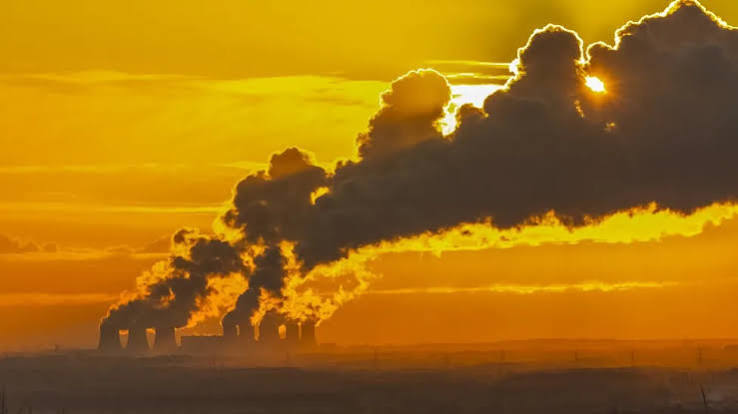
Scientific research across the Hindu Kush Himalayan region increasingly warns that climate change is altering temperature, precipitation, glaciers, snow cover and the frequency or severity of some weather-related hazards. An important feature of this change is not necessarily that rainfall will simply increase everywhere. The greater challenge is unpredictability. A season can experience prolonged dry periods followed by exceptionally intense rainfall within a short period. In a mountainous country such as Nepal, intense rainfall can rapidly produce landslides, flash floods, road closures, and dangerous river conditions. At high elevations, sudden snowfall and storms can expose trekkers and mountaineers to another set of hazards.
This changing risk environment has major implications for Nepal’s tourism industry. A tourist may reserve an international flight, hotel, guide, and two-week trekking package many months in advance based on the assumption that late September or October is the “safe season.” Trekking agencies similarly prepare itineraries according to historical seasonal patterns. But if the monsoon withdraws later than expected, several days of intense rainfall occur unexpectedly, mountain passes receive heavy snowfall, or landslides repeatedly block access roads, a calendar printed months earlier becomes a poor measure of actual safety.
Nepal therefore needs to gradually move away from thinking about tourism exclusively through fixed seasonal dates and toward a more flexible, climate-informed system. This does not mean abandoning September-November or March-May as important tourism periods. These seasons will continue to be valuable general guides. But historical averages should be supplemented by real-time weather information, short- and medium-range forecasts, regional risk assessments, and clearly communicated safety advisories. In other words, Nepal needs to move from a purely calendar-based tourism model toward a data-driven and weather-informed tourism model.
This transformation requires greater investment in technology. Nepal already has meteorological forecasting, rainfall monitoring, river monitoring, and flood early-warning systems, but these systems should be much more closely integrated with tourism management. Nepal could develop a unified national tourism weather and safety information system connecting the Department of Hydrology and Meteorology, Department of Tourism, Nepal Tourism Board, disaster-management agencies, local governments, trekking associations and rescue organizations. Tourists and tourism operators should be able to access one reliable source providing updated information about rainfall, snowfall, floods, landslides, avalanche risks, trail conditions, road closures, airport disruptions, and emergency contacts.
Modern technology can significantly strengthen such a system. Automated weather stations, satellite observations, river sensors, GPS-based information, and advanced forecasting models can help authorities identify developing hazards. Artificial intelligence can potentially assist in analyzing large volumes of weather and geographical data and translating technical forecasts into understandable warnings for travelers and tourism operators. A foreign tourist should not have to understand complicated meteorological terminology to determine whether it is advisable to cross a high mountain pass the following morning. Technology should help convert scientific information into clear and practical safety guidance.
Technology, however, cannot replace physical preparedness. Many of Nepal’s most popular trekking destinations are located in areas where internet and mobile connections may become unreliable precisely when severe weather occurs. Nepal therefore also needs stronger communication networks along major trekking corridors, additional weather-monitoring stations in mountain regions, clearly identified emergency shelters and evacuation locations, trained rescue personnel and better coordination among local authorities, security agencies and tourism organizations. Climate-resilient roads, bridges, trails and other tourism infrastructure will become increasingly important as extreme weather places greater pressure on existing infrastructure.
Tourism companies themselves also carry significant responsibility. Trekking agencies and expedition operators should not simply sell itineraries and arrange permits; safety management must become a fundamental part of their professional responsibility. Before tourists enter remote areas, companies should provide updated weather and hazard briefings, establish emergency communication procedures, verify appropriate insurance and prepare alternative itineraries. Guides should receive regular training in first aid, altitude-related illness, severe-weather decision-making, avalanche awareness and emergency evacuation procedures.
Commercial pressure must never be allowed to override safety. A traveler who has spent thousands of dollars and traveled across the world understandably wants to complete the planned trek or expedition. Tourism companies may also fear financial loss when itineraries are delayed. Nevertheless, when weather conditions become dangerous, postponing a trek for a day or changing a route should be regarded as responsible professional practice rather than a failure. Flexible itineraries and contingency days should become normal features of Himalayan tourism.
Tourists themselves also have responsibilities. Traveling in the Himalayas is fundamentally different from visiting an ordinary urban destination. Mountains are dynamic natural environments, and no itinerary can guarantee favorable weather. Visitors should monitor official forecasts, listen to experienced guides and local authorities, carry appropriate clothing and emergency equipment, purchase adequate trekking and evacuation insurance, and include contingency days in their travel plans. Independent trekkers in particular should understand that having a smartphone, GPS map or social-media information does not eliminate the risks posed by sudden storms, swollen rivers, unstable slopes or rapidly changing conditions at altitude.
Nepal should also consider diversifying tourism geographically and seasonally. Nepal’s tourism identity is strongly associated with trekking and mountaineering, but the country has far more to offer. Cultural tourism, Buddhist and Hindu pilgrimage, wildlife tourism, wellness and meditation retreats, village tourism, food tourism, heritage tourism and lower-altitude nature experiences can attract visitors to different regions and at different times of the year. Developing these sectors would reduce excessive dependence on a few destinations and short peak seasons while distributing tourism income more widely among communities.
Climate change does not mean that Nepal’s tourism industry is destined to decline. Nepal’s tourism sector has repeatedly demonstrated remarkable resilience through earthquakes, pandemics, natural disasters and other crises. But resilience should not simply mean recovering after every disaster. A stronger form of resilience is the ability to anticipate danger before disaster occurs. Every flood, landslide, snowstorm or evacuation should provide information that helps improve the next generation of tourism policies and safety systems.
Perhaps Nepal therefore needs to rethink what the term “tourist season” itself means. Instead of asking only whether September, October, November, March, April or May is the tourism season, Nepal should increasingly ask: What are the conditions today? What does the forecast indicate for the coming week? Which trekking regions are safe? Which routes require caution? Which should temporarily close? What alternative destinations can visitors enjoy? And how quickly can reliable information reach tourists, guides and tourism businesses?
This approach would recognize an important reality: weather conditions can differ dramatically across Nepal at the same time. Heavy rainfall in one region does not necessarily mean that the entire country is unsafe. Similarly, favorable weather in Kathmandu or Pokhara does not necessarily mean that conditions on a high-altitude trekking route are safe. Tourism warnings therefore need to become more localized, precise, and timely rather than creating either unnecessary fear or a false sense of security.
Nepal’s tourism future depends not only on attracting more visitors but also on protecting them. Poorly managed climate risks can damage Nepal’s international tourism reputation as well as endanger human lives and local livelihoods. Conversely, a country known for reliable weather information, professional guides, strong emergency systems, responsible tour operators, and transparent safety communication can strengthen international confidence even while facing climate uncertainty.
On World Tourism Day, Nepal therefore has an opportunity to look beyond celebrations and visitor statistics. The Himalayas that attract travelers from around the world are also part of a fragile and rapidly changing environmental system. The rivers, glaciers, forests, mountains and communities on which Nepal’s tourism economy depends are increasingly exposed to climate-related pressures. Protecting tourism consequently requires protecting both people and the natural environment.
The answer is not to frighten tourists or discourage them from visiting Nepal. The answer is preparedness, adaptation and responsibility. Nepal needs better forecasting, stronger early-warning systems, modern technology, climate-resilient infrastructure, trained tourism professionals, responsible operators, informed travelers and much stronger coordination between government agencies, local communities and the private sector.
For decades Nepal has invited the world to come and experience the Himalayas. In an era of climate uncertainty, that invitation must carry an additional commitment: to use science, technology, local knowledge and professional responsibility to make every journey as safe, sustainable and well-informed as possible.
The future of Nepalese tourism will ultimately be determined not simply by how many tourists Nepal attracts, but by how successfully the country protects its visitors, tourism workers, mountain communities and the extraordinary natural environment that makes Nepal one of the world’s most remarkable destinations.