
Nepal to Use Climate Study to Seek UN Loss and Damage Funding
Nepal is preparing to use a new scientific study linking climate change to last month’s catastrophic Himalayan floods as key evidence in its request for financial support from the United Nations Fund for Responding to Loss and Damage.
Nepal is expected to seek around $20 million from the international climate fund, which was established to assist vulnerable developing countries suffering severe losses and damages associated with climate change.
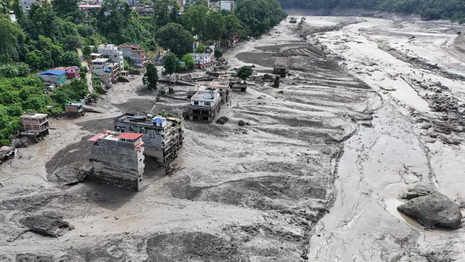
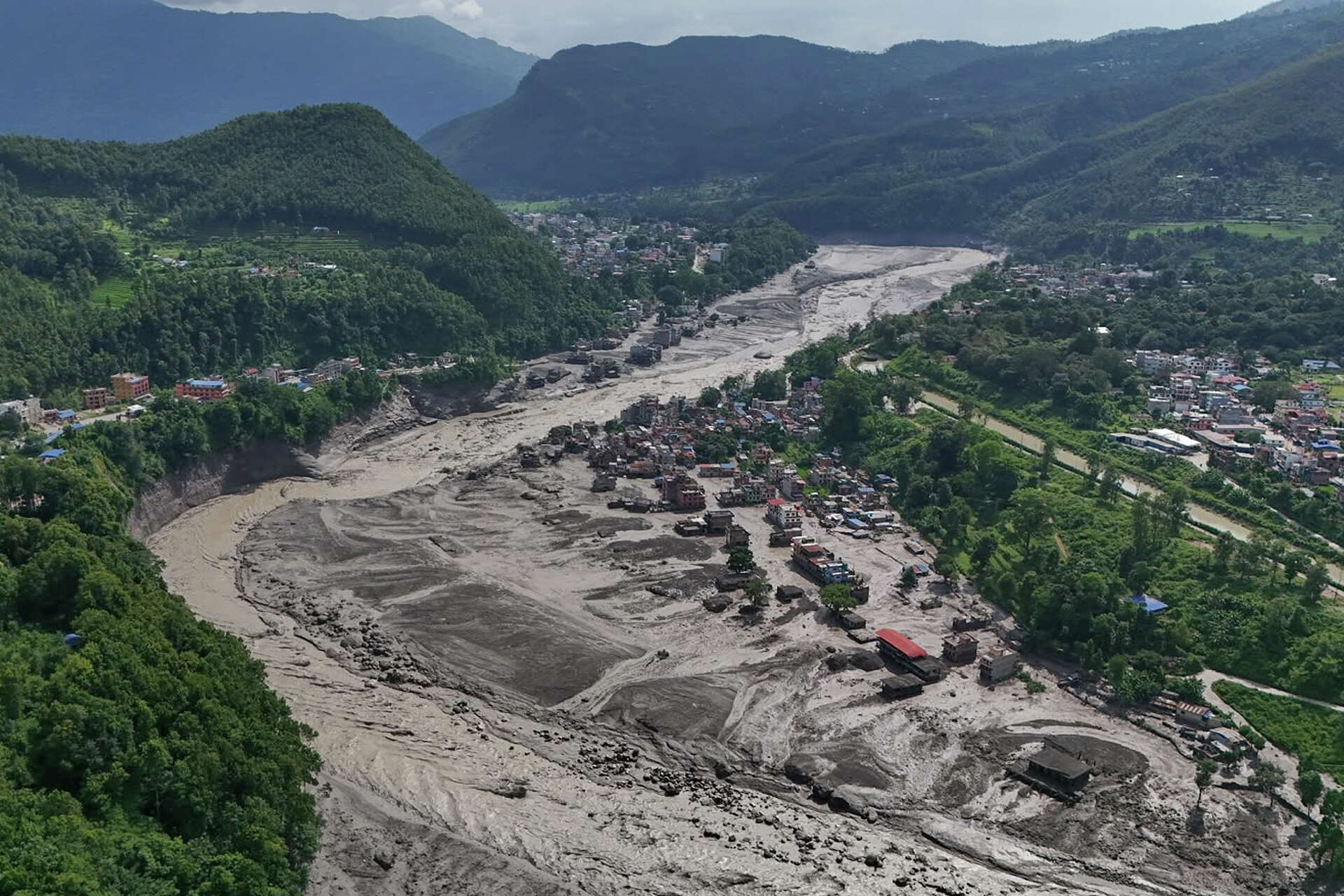
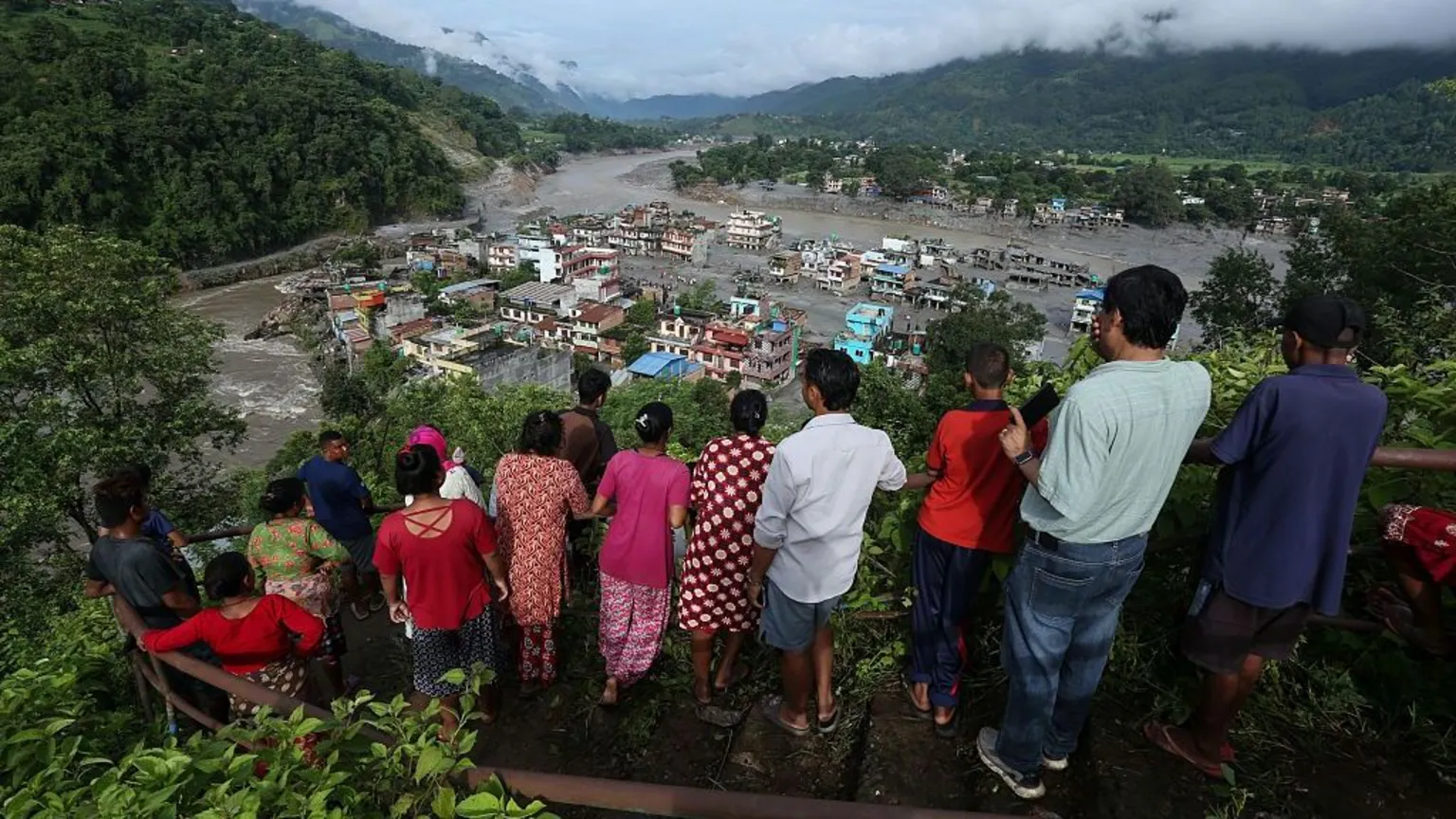
The disaster along the Nepal–Tibet border caused widespread destruction, sweeping through mountain settlements, damaging energy and transportation infrastructure, and destroying thousands of homes. According to official figures cited in reports, around 1,400 people have died and more than 6,000 remain missing in Nepal.
A new analysis by World Weather Attribution (WWA) concluded that human-induced climate change was likely an important contributing factor in creating the conditions that led to the disaster. Scientists believe the flooding followed a massive collapse involving rock and glacier ice near Langtang Lirung, a Himalayan peak in Nepal.
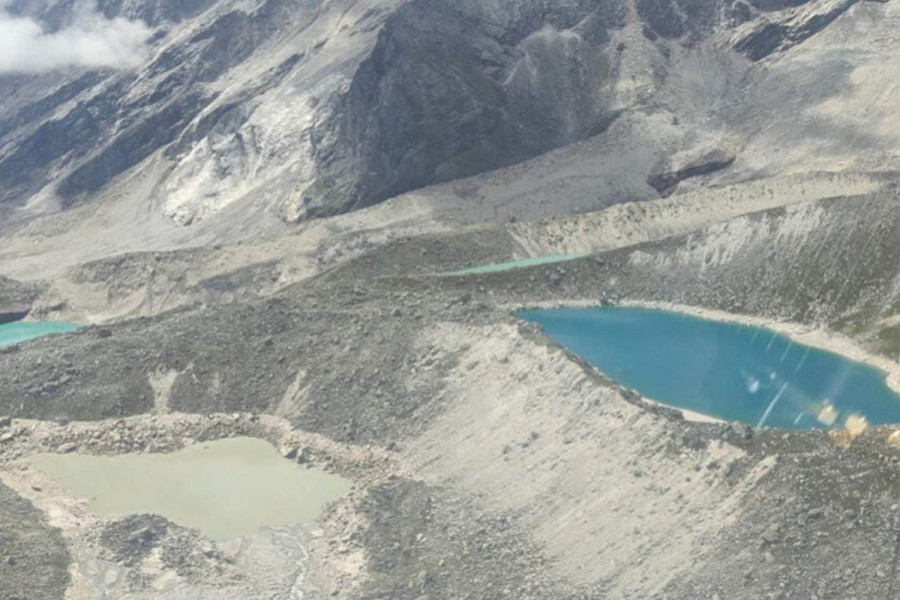
Researchers described the disaster as a “compound event,” in which several environmental and geological factors combined. These included rising temperatures, thinning glaciers, thawing permafrost, heavy snowfall and subsequent melting, as well as existing weaknesses in the mountain’s geological structure.
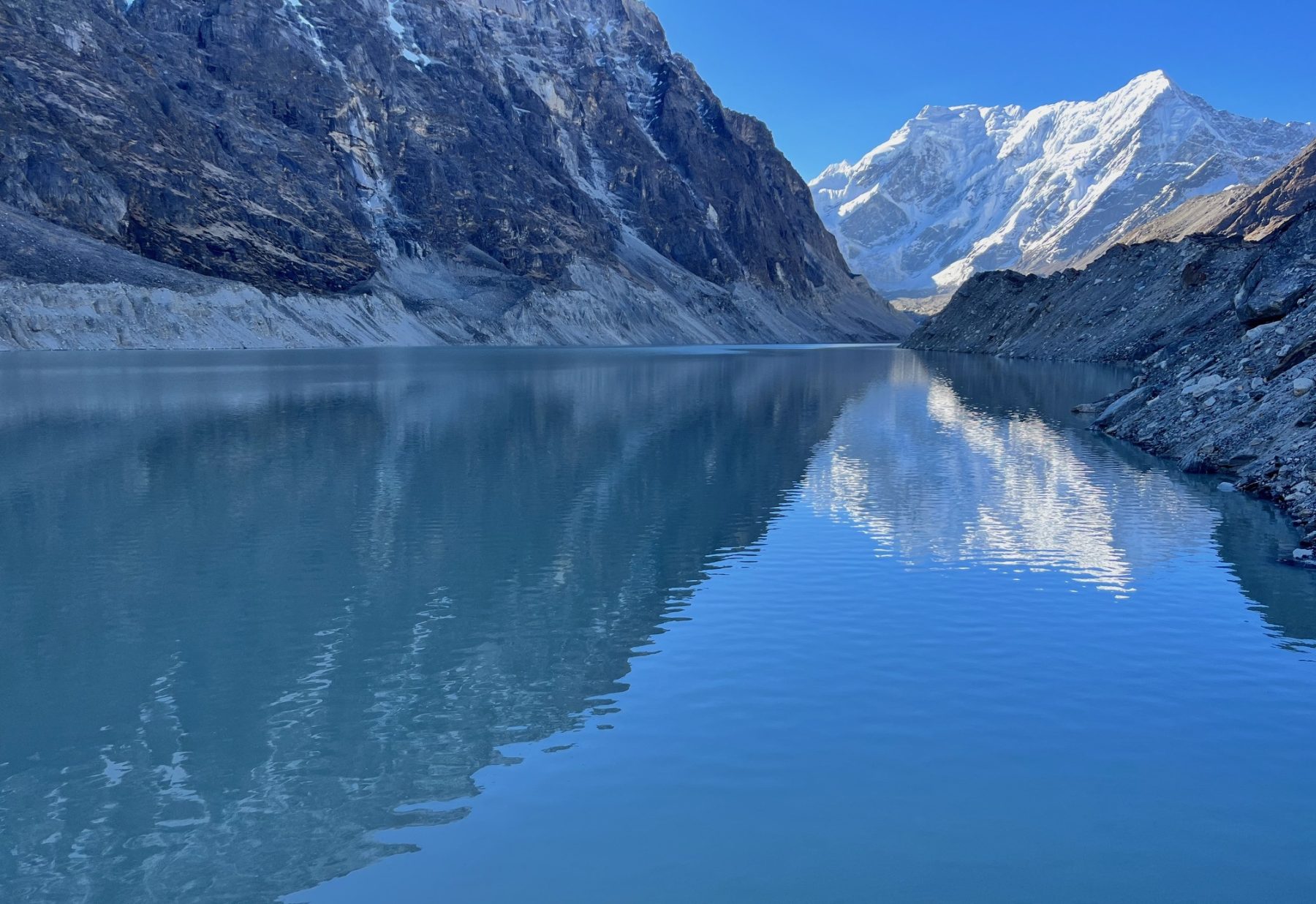
According to the study, temperatures in the region during July and August were approximately 1.5°C warmer because of human influence on the climate. Glaciers in the area have also reportedly been thinning by roughly half a metre annually. Scientists say such changes can weaken fractures in mountain slopes and contribute to instability.
Heavy snowfall during October and November of the previous year may have further contributed to the conditions by producing substantial amounts of meltwater earlier this year. Researchers emphasized that climate change should not be considered the sole cause of the disaster, but rather an important destabilizing influence acting together with existing geological vulnerabilities.
The study also examined the possible influence of Nepal’s devastating 2015 magnitude 7.8 earthquake, which triggered rock and ice avalanches in the region. Researchers said the earthquake may have weakened parts of the underlying rock mass, although its precise contribution to the latest collapse could not be determined.
Scientific Evidence Could Strengthen Nepal’s Climate Claim
The findings could become particularly important as Nepal prepares its application to the UN Fund for Responding to Loss and Damage.
Countries requesting support from the fund are expected to provide evidence demonstrating how climate change contributed to the losses and damages they experienced. Nepali authorities have already been gathering satellite imagery, drone photographs and preliminary scientific assessments documenting the disaster.
Officials now consider the World Weather Attribution analysis an important piece of scientific evidence supporting Nepal’s argument that climate change contributed significantly to the conditions surrounding the rock-and-ice collapse.
Nepal has estimated that approximately $5 billion could be required for reconstruction and recovery following the disaster. The amount potentially sought from the UN loss-and-damage mechanism would therefore represent only a portion of the country’s overall rebuilding needs.
Securing funding, however, could be challenging. Nearly 120 countries have reportedly submitted requests to the fund totaling close to $3 billion, while substantially less money is currently available for distribution. Decisions regarding funding requests are expected to be considered by officials responsible for the mechanism in the coming months.
Nepal Renews Call for Climate Justice
The disaster has also intensified Nepal’s longstanding call for greater international support for countries that contribute relatively little to global greenhouse-gas emissions but face severe consequences from rising global temperatures.
Nepali officials have increasingly framed climate-related financial assistance as a matter of climate justice and responsibility, arguing that vulnerable countries should not be left to carry the financial burden of disasters intensified by emissions produced largely elsewhere.
The recent catastrophe demonstrates the particular risks facing Himalayan countries. Rising temperatures are changing glaciers, snow cover and permafrost while potentially increasing instability in already fragile high-mountain environments.
Nepal is expected to raise these concerns internationally, including at the United Nations General Assembly in New York, where the recent disaster, Himalayan climate vulnerability and climate justice are expected to receive attention.
At the same time, scientists caution that significant uncertainties remain. The World Weather Attribution analysis provides evidence that climate change contributed to conditions associated with the disaster, but researchers say more work is necessary to understand precisely how warming, glacier retreat, permafrost degradation, geological instability and other factors interacted to trigger the collapse.
The study has not yet been published in a peer-reviewed scientific journal, although World Weather Attribution says its rapid attribution studies use established peer-reviewed methodologies.
The tragedy highlights a growing challenge across the Himalayas: understanding how climate change interacts with naturally unstable mountain landscapes and developing stronger monitoring, early-warning and disaster-preparedness systems.
For Nepal, the new scientific findings may now serve two purposes — helping researchers better understand one of the country’s most devastating Himalayan disasters and strengthening Nepal’s case for international financial support to recover from climate-related loss and damage.