
Samatha and Vipassana Meditation: The Twin Pillars of Buddhist Mindfulness
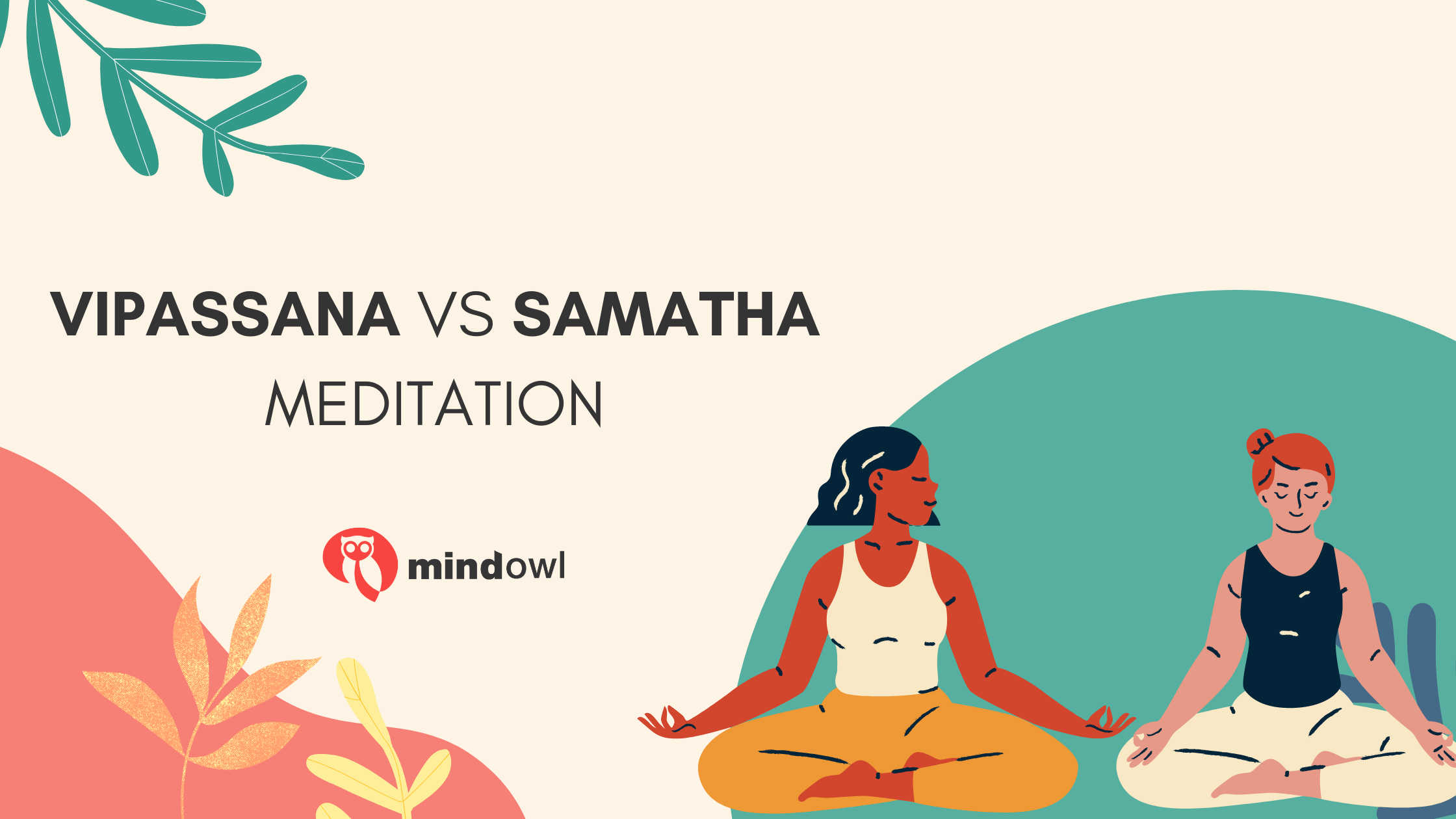
In the vast landscape of Buddhist meditation, two foundational practices stand out for their profound transformative power: Samatha (calm abiding) and Vipassana (insight). These two meditative disciplines complement each other, offering practitioners a path to both inner peace and deep wisdom. While Samatha calms the turbulent waters of the mind, Vipassana reveals its depths.
Samatha: The Art of Concentration
Samatha, derived from the Pali word for “tranquility” or “calm,” is a practice aimed at stilling the mind. It involves focusing attention on a single object—often the breath, a mantra, a candle flame, or a visualized image—until the mind becomes quiet and unified.
The purpose of Samatha is not to analyze or interpret experience but to stabilize the mind. With consistent practice, distractions diminish, thoughts settle, and a serene, focused awareness emerges. This mental tranquility is not only pleasant but also serves as a foundation for deeper meditative insight.
In Buddhist teachings, this state of concentrated calm is called jhana (meditative absorption), and it brings a temporary relief from the restlessness, craving, and suffering that characterize ordinary consciousness.
Vipassana: The Wisdom of Insight
While Samatha prepares the mind, Vipassana goes further—it investigates the nature of reality. “Vipassana” means “clear seeing” or “insight,” and this practice involves observing experiences as they arise and pass away, moment by moment.
In Vipassana, practitioners watch the changing phenomena of body and mind: sensations, thoughts, feelings, and perceptions. The goal is to understand the three marks of existence—impermanence (anicca), suffering (dukkha), and non-self (anatta).
By observing these truths directly in one’s own experience, the meditator gains insight into how suffering arises and how it can end. Vipassana leads to a deep realization that all things are conditioned and fleeting, and that clinging to them results in suffering.
The Interdependence of Samatha and Vipassana
Though distinct, Samatha and Vipassana are interdependent. Samatha provides the stability and clarity necessary for deep insight. Without a calm mind, it is difficult to see clearly. Conversely, Vipassana enhances and refines concentration by removing delusion and mental agitation.
In the Theravāda tradition, practitioners often begin with Samatha to develop a foundation of concentration, then move into Vipassana for insight. In other traditions, like Zen or Tibetan Buddhism, the two are more integrated from the beginning.
The Buddha himself emphasized the importance of both. In the Samyutta Nikaya, he said, “Develop concentration, monks; a concentrated mind sees things as they truly are.” And what is it that is seen clearly? The impermanence, unsatisfactoriness, and selfless nature of all phenomena.
Modern Relevance
In today’s fast-paced, stressful world, the practices of Samatha and Vipassana offer tools for psychological healing and spiritual growth. Mindfulness-based therapies, which draw heavily from Vipassana, are now used worldwide to treat anxiety, depression, and chronic pain. At the same time, Samatha can help calm the nervous system, reduce stress, and foster emotional resilience.
Yet beyond mental health benefits, these practices offer a profound spiritual path—one that leads to liberation from suffering and the cultivation of wisdom, compassion, and peace.
Conclusion
Samatha and Vipassana are not merely techniques—they are doorways to transformation. Together, they help the practitioner develop not just a calm mind, but a clear vision of reality. In a world clouded by distraction and delusion, this twin practice remains as relevant and radiant as it was 2,500 years ago.