

G7 Finance Leaders Meet in Canada Amid Tariff Tensions and Ukraine Concerns
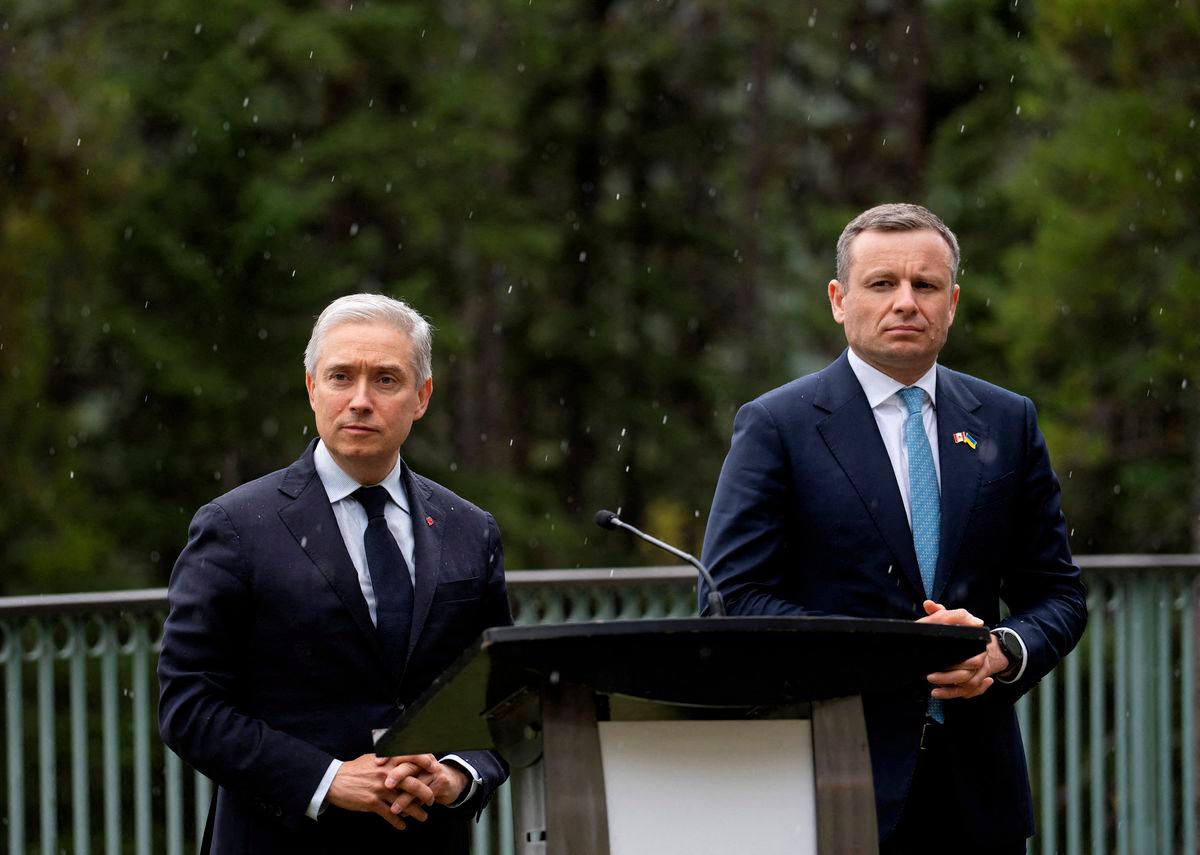
Top financial leaders from the Group of Seven (G7) nations convened in Alberta, Canada on Tuesday for a three-day summit expected to be overshadowed by growing global economic concerns, particularly those triggered by U.S. President Donald Trump’s tariff policies. The ongoing war in Ukraine also remains a key focus of the discussions.
Finance ministers and central bank governors from the G7 — which includes the United States, Canada, Britain, France, Germany, Italy, and Japan — are scheduled to meet through Thursday. The agenda includes deliberations on the global economy, financial crime, and unfair trade practices, with participants seeking alignment on support for Ukraine.
This year’s gathering takes place under a cloud of uncertainty. Since Trump’s return to the White House, G7 countries have struggled to maintain a unified stance on the Ukraine conflict, following Russia’s invasion in 2022. Ukrainian Finance Minister Sergii Marchenko is also attending the summit and is expected to address the media on Tuesday.
Once a relatively cohesive group, the G7 has seen increasing tensions under Trump’s leadership, particularly due to his imposition of tariffs on both allies and rivals, and his controversial overtures to Russia. Economists warn that such tariffs could stoke inflation and hinder global growth. While not officially on the agenda, a Canadian official acknowledged that trade and tariffs will be “embedded in the discussion on the global economy.”
Canada is hoping the talks will reaffirm the G7’s commitment to a well-functioning trade and investment system. Meanwhile, a U.S. Treasury spokesperson stated that Secretary Scott Bessent aims to steer the group “back to basics,” focusing on correcting global imbalances and addressing non-market practices, particularly in non-G7 economies.
One area where members may find common ground is China. A source briefed on U.S. involvement said the issue of China’s excess industrial capacity will be raised, with widespread concern expected among the participants.
A Japanese official confirmed that Japan’s finance minister plans to meet with Bessent to discuss foreign exchange matters. However, no bilateral meeting is currently scheduled between Bessent and Canadian Finance Minister François-Philippe Champagne.
As the G7 discusses a broad range of pressing issues—from trade and economic security to climate change—observers say internal discord could make progress difficult. A French finance ministry official described the Banff summit as a potential “test or signal” of the group’s ability to reach consensus.
While Canada, which holds the G7 presidency this year, hopes to produce a final communique, officials acknowledge that any joint statement must reflect a genuine, shared understanding of the global economic landscape and unified strategies to address its challenges.

Broad Peak’s Silent Warning: How Many More Lives Must the Mountains Claim Before We Listen?
4 days ago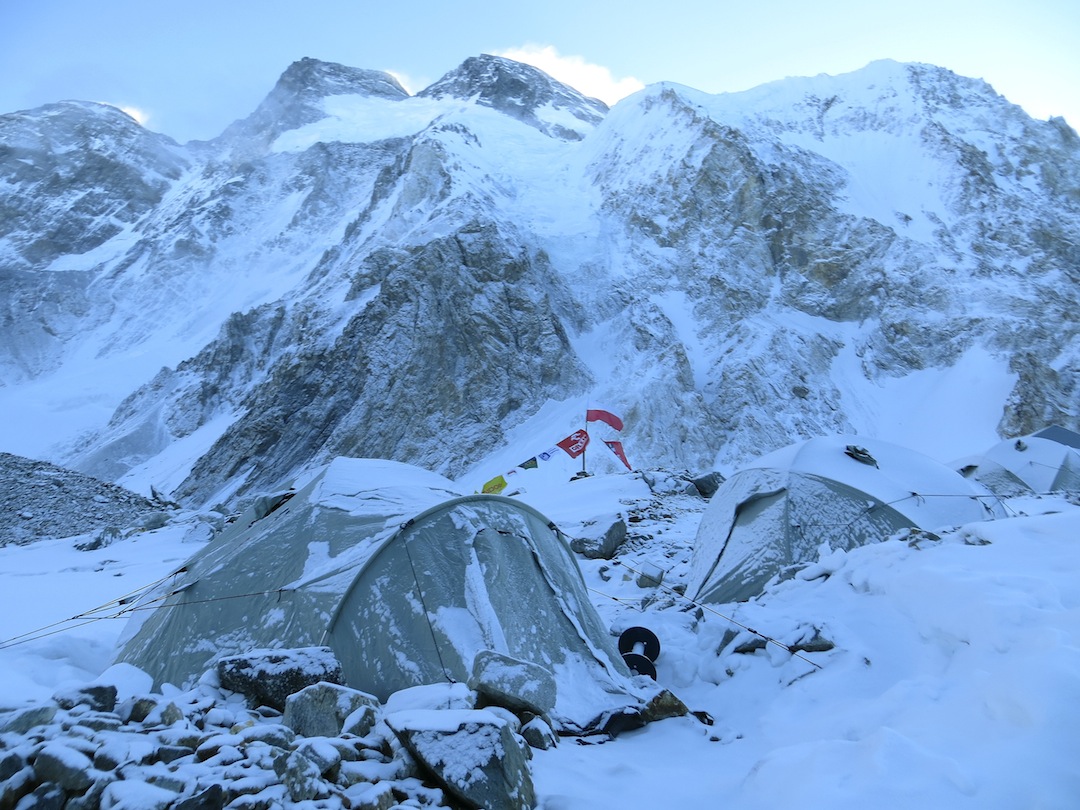

Shechen Center New York Opens, Bringing a Living Buddhist Lineage to the Heart of New York City
2 weeks ago