
Centuries-Old Tiji Festival Begins in Upper Mustang, Nepal
Lomanthang, Mustang – May 24, 2025
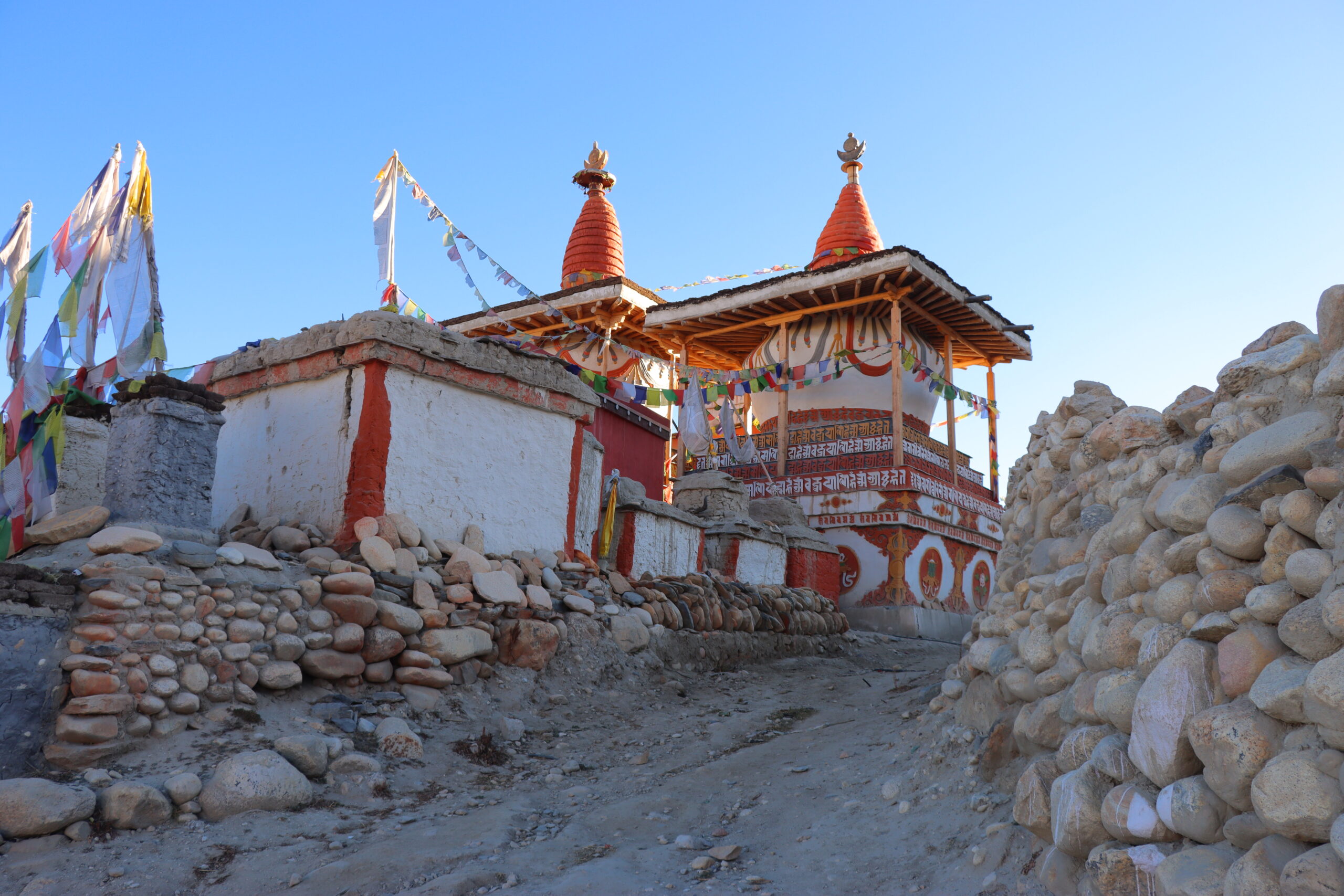
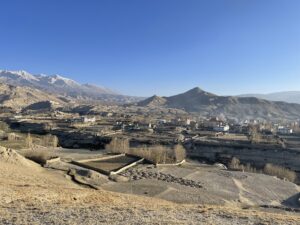
The ancient and revered Tiji festival has officially commenced in Lomanthang, a remote Himalayan settlement in Nepal’s Upper Mustang region. Nestled along the border with Tibet, this high-altitude desert town has become the epicenter of vibrant spiritual and cultural celebration that dates back centuries.
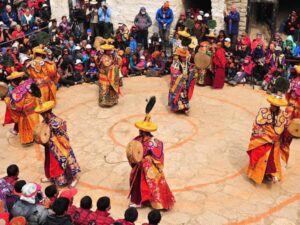
Tiji, derived from the Tibetan word “Tenji”, is considered the most significant religious and cultural event in Upper Mustang. Observed over three days, the festival blends Buddhist rituals, mythological reenactments, and traditional dances, drawing communities together in a shared prayer for peace, harmony, and protection from evil forces.
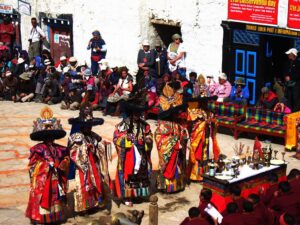
People from the surrounding areas—including all seven former village development committees of Upper Mustang—gather in Lomanthang to participate in the festival. During the celebration, locals don traditional attire, adorn themselves with jewelry, prepare special meals according to their means, and engage in collective prayers. Monasteries and stupas across the region become spiritual hubs for worship and ritual throughout the festival period.
The central venue for Tiji is the courtyard of the ancient palace of Mustang’s Cultural King in Lomanthang. With support from the local government bodies and spiritual institutions, the festival is organized by Chhode Monastery, one of the most important monastic centers in the region.
The morning rituals begin at 6:00 AM and continue until noon for three consecutive days. During this period, monks conduct elaborate ceremonies dedicated to the Vajrakilaya and Mahakala deities. These rituals aim to protect Upper Mustang from misfortune, ward off illness and disasters, ensure agricultural prosperity, and maintain peace and well-being in the region.
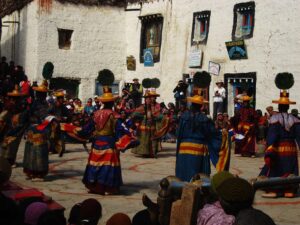
Following the morning rituals, the monastery’s monks perform sacred Cham dances in the palace courtyard. The dance rituals symbolically enact the triumph of good over evil and are performed in full ceremonial costume. Over the course of the festival, 54 distinct forms of Vajrakilaya and Mahakala dances are showcased, forming a vivid spectacle of sound, movement, and devotion.
Historically rooted in the 8th century during the time of Guru Padmasambhava, the Tiji festival was formally established in Upper Mustang in the 15th century. Although there have been intermittent pauses in its celebration over the centuries, the festival has been observed continuously since 1963. It was briefly halted from 2020 to 2022 due to the global COVID-19 pandemic.
Today, Tiji stands not only as a spiritual observance but also as a powerful expression of Mustang’s cultural identity, contributing to regional unity, tourism, and the preservation of Tibetan Buddhist heritage in Nepal.