
New Study Suggests Mountain Ecosystems May Be More Resilient to Climate Change Than Expected
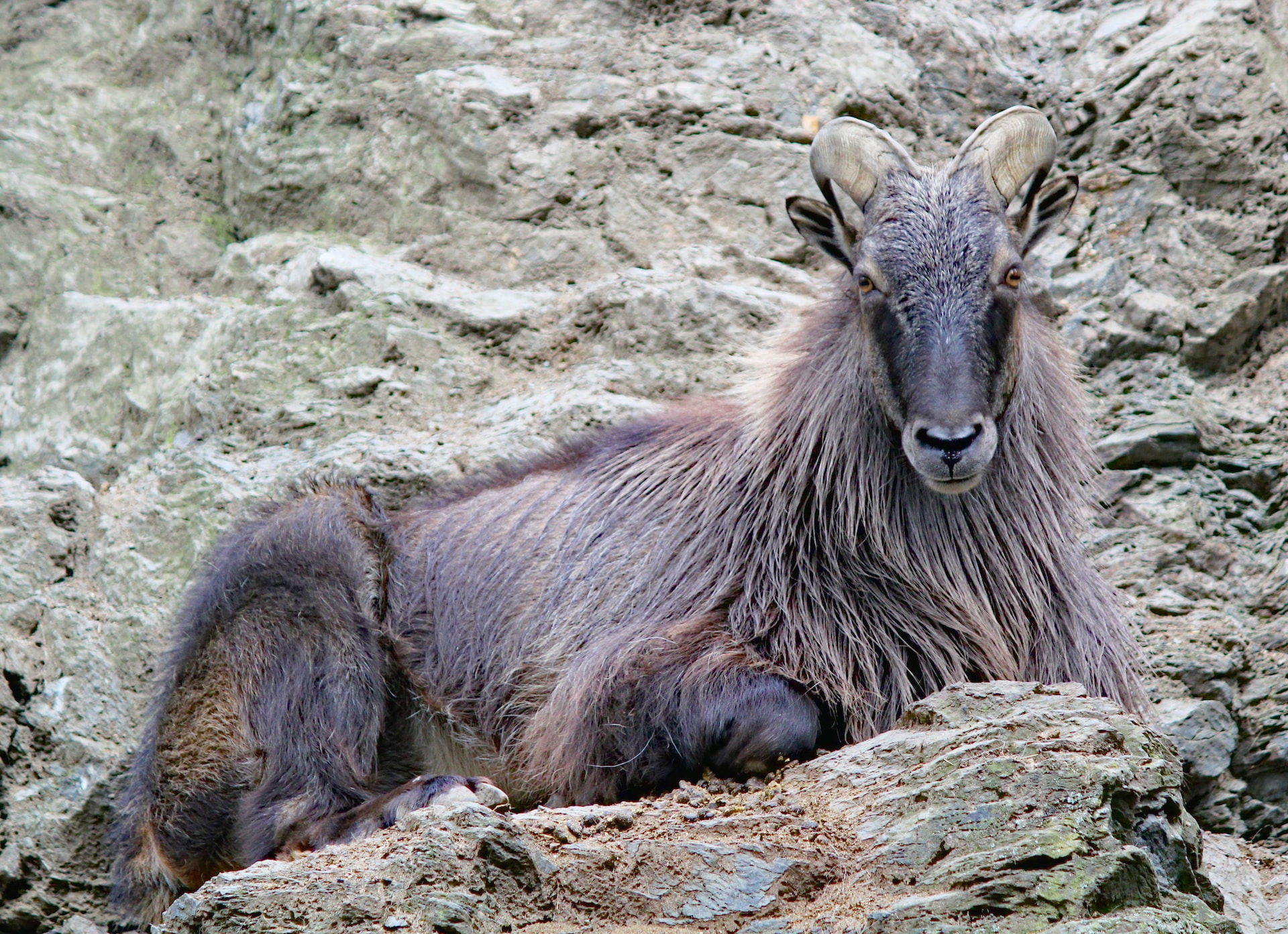
For centuries, mountain environments have captivated the human imagination. With their dramatic landscapes, unique ecosystems, and tranquil beauty, these high-altitude regions have long been considered both biologically rich and ecologically vulnerable. But new scientific findings challenge the assumption that mountain species are inevitably heading toward extinction as global temperatures rise.
A recent analysis led by I-Ching Chen of the American Association for the Advancement of Science (AAAS) offers a more nuanced picture. The study, published in EarthSnap, reveals that many mountain species are adapting to climate change in unexpected ways—sometimes moving upslope, but often shifting behaviors or expanding their ranges without experiencing the massive die-offs many experts feared.
Rethinking the “Escalator to Extinction”
Conventional ecological theory holds that as temperatures climb, species must move to higher, cooler elevations to survive. In steep terrain, however, this creates a dangerous bottleneck: the higher one goes, the less available habitat remains. This concept—often referred to as the “escalator to extinction”—predicts that mountain-dwelling species with limited elevation ranges will run out of space and face inevitable collapse.

But the new research, which analyzed thousands of historical and modern species range records across mountain ecosystems, found no widespread evidence of such collapses. Using Bayesian statistical models to account for geographic and environmental constraints, the study determined that most observed range changes fall within natural variability.
Shifts Without Disappearances
Although some species are indeed migrating to higher elevations, many are retaining their lower range boundaries or shifting in other ways. For example, certain butterflies in the Rocky Mountains have adapted to warming not by moving upslope, but by altering the timing of their seasonal emergence.
This flexible response challenges the assumption that elevation is the only available strategy for survival. Instead, a mix of behavioral, dietary, and reproductive adaptations appears to be helping many mountain species cope with changing climates.
Species with narrow elevation ranges, once thought to be most at risk, have not universally disappeared. While they remain vulnerable, the study suggests that tightly bounded species are capable of more resilience than once believed, especially in the short term.
Blurring Ecological Boundaries
However, the changes aren’t entirely positive. One emerging trend is biotic homogenization—the process by which formerly distinct communities begin to resemble one another. As generalist species from lower elevations migrate upward, they often displace or mingle with more specialized mountain flora and fauna.
In the European Alps, researchers have observed increasing plant diversity at high elevations, but this diversity increasingly consists of generalist species, leading to a loss of unique ecological identities. Over time, such blending can erode the distinctiveness of mountain ecosystems, reducing the variety of specialized traits and interactions that once defined them.
A Cautiously Optimistic Outlook
While the current data suggests a more hopeful scenario than earlier predictions, scientists remain cautious. The concept of extinction debt—the idea that species may survive temporarily but still face eventual collapse—casts a shadow over short-term findings. Ecological changes such as disrupted breeding cycles, food shortages, or delayed migrations may not yet be fully visible in the data.
Moreover, not all mountain ranges are alike. Differences in elevation range, slope steepness, vegetation, and conservation policies mean that some regions may be more resilient than others. Areas with limited elevation gradients or fragmented habitats may still be at high risk as temperatures continue to rise.
Implications for Conservation
The study’s authors emphasize the importance of long-term monitoring and adaptive conservation strategies. Because mountain ecosystems are interconnected with surrounding valleys, rivers, and forests, disturbances in one area can ripple across entire landscapes.
Tracking subtle shifts in species distributions, interactions, and ecological roles will be key to identifying vulnerable zones before significant biodiversity losses occur. Conservation approaches may need to evolve, focusing not only on preventing extinction but also on preserving ecological distinctiveness and function in a changing world.
Conclusion: A Quiet Rearrangement of Life
Rather than a dramatic wave of extinctions, mountain ecosystems may be undergoing a quieter transformation—one where species persist but ecosystems gradually lose their distinctiveness. The threat is not necessarily immediate disappearance, but the slow reshaping of mountain biodiversity as boundaries blur and new ecological patterns emerge.
This research offers a tempered optimism. While some mountain species are proving more adaptable than expected, the pace of climate change continues to accelerate. The resilience observed today may not hold in the decades to come without careful intervention, sustained observation, and a renewed commitment to protecting the unique life forms that call the world’s peaks home.
source: Journal Science