

Human civilization has reached a paradoxical moment. Scientific knowledge has advanced rapidly, economies have become globally interconnected, and communication technologies allow people across continents to interact instantly. Yet despite these achievements, the world remains troubled by violence, geopolitical rivalry, social inequality, ecological degradation, and psychological unrest. The crises of the modern age are not merely political or economic; they are deeply moral and spiritual. In this context, the philosophical and ethical traditions that emerged from the Himalayan region offer insights that may help guide humanity toward a more peaceful future.
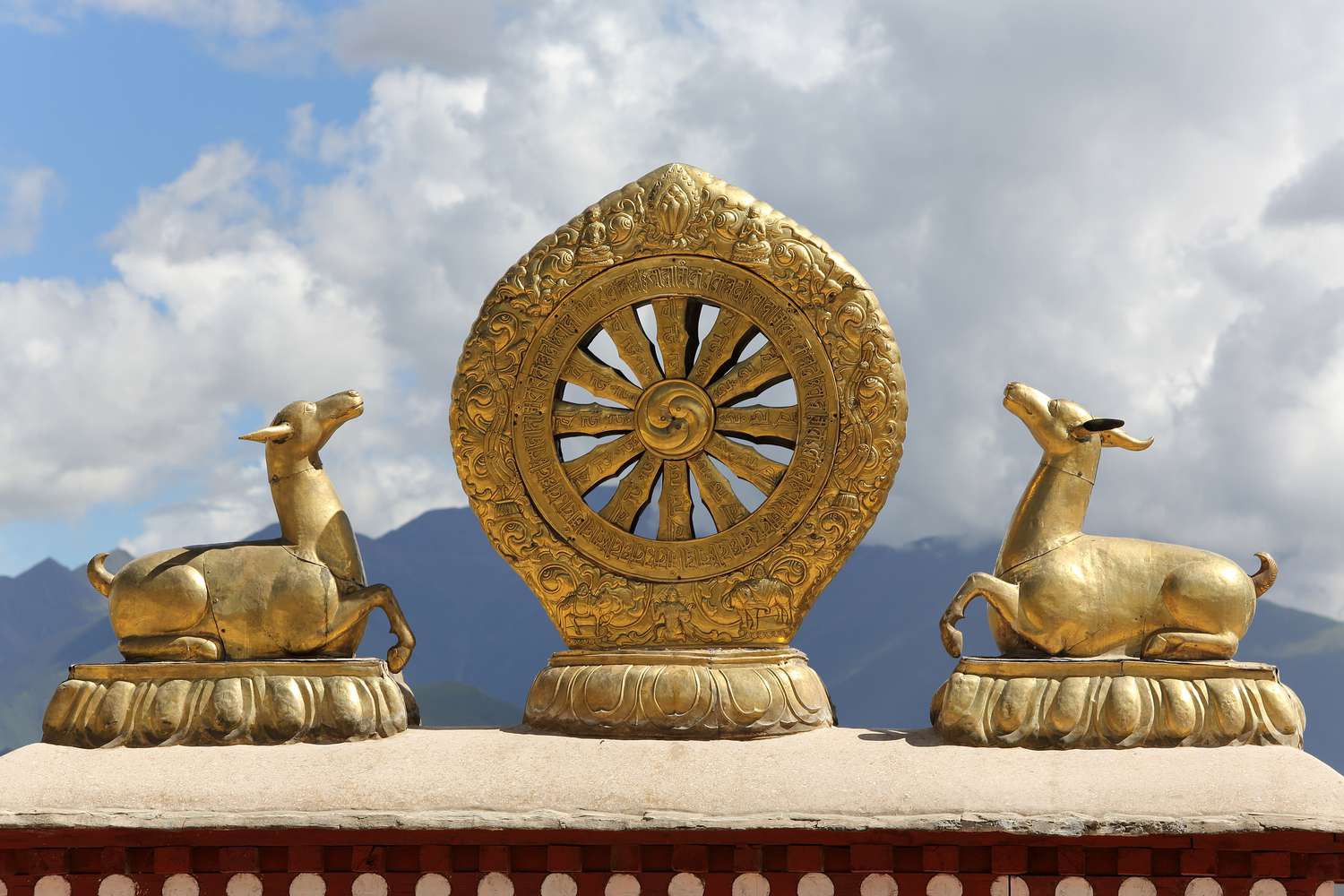
The Himalayas are not only the highest mountain range on Earth; they are also among the most enduring centers of spiritual reflection. For centuries, this vast region stretching across Nepal, Tibet, Bhutan, and northern India has nurtured traditions such as Buddhism, Bon, and various Himalayan indigenous belief systems. These traditions developed within a cultural landscape shaped by isolation, harsh environmental conditions, and profound respect for nature. Over generations, Himalayan societies cultivated philosophical principles emphasizing compassion, interdependence, humility, and inner transformation. These principles form what may be called Himalayan wisdom.
Compassion as the Foundation of Peace
One of the most central teachings of Himalayan spiritual traditions is compassion. In Mahayana Buddhist philosophy, compassion (karuṇā) is not simply an emotional response to suffering; it is a moral responsibility to alleviate it. The cultivation of compassion encourages individuals to recognize the shared vulnerability of all beings. When people understand that every person seeks happiness and fears suffering, hostility begins to lose its moral justification.
Modern conflicts often arise from dehumanization. Political ideologies, ethnic divisions, and national rivalries create categories that allow one group to see another as fundamentally different or inferior. Himalayan philosophical traditions challenge this tendency by emphasizing universal empathy. If compassion becomes a guiding principle in international relations, policies could shift from domination and competition toward cooperation and mutual well-being.
This approach does not imply political naivety. Rather, it suggests that long-term stability cannot be achieved solely through military power or economic pressure. Sustainable peace requires the cultivation of ethical awareness among individuals, communities, and institutions.
Interdependence and Global Responsibility
Another core concept within Himalayan philosophical thought is interdependence. Buddhist teachings describe reality as a web of interconnected causes and conditions. Nothing exists in isolation; every action has consequences that ripple through society and the natural world.
In the twenty-first century, the principle of interdependence has become increasingly visible in global affairs. Climate change, pandemics, economic instability, and mass migration demonstrate that national boundaries cannot contain global challenges. The well-being of one society is inseparable from the well-being of others.
Himalayan wisdom encourages a worldview that transcends narrow nationalism. If policymakers and citizens alike recognize that humanity shares a common destiny, international cooperation becomes not merely desirable but necessary. Issues such as environmental protection, poverty reduction, and conflict prevention must be approached through collective responsibility.
The Himalayas themselves illustrate this interdependence. The region is often called the “Third Pole” because its glaciers feed major rivers that sustain nearly two billion people across Asia. Environmental disruption in these mountains affects vast populations downstream. The Himalayan worldview therefore carries an ecological awareness that resonates strongly with contemporary environmental challenges.
Inner Peace as the Basis for Outer Peace
Modern political systems often focus on external structures of peace: treaties, laws, and diplomatic agreements. While these mechanisms are essential, Himalayan traditions emphasize that genuine peace must begin within the human mind.
In Buddhist philosophy, conflict arises from mental states such as greed, anger, and ignorance. These emotions distort perception and generate destructive behavior. The cultivation of mindfulness, ethical discipline, and wisdom is therefore considered essential for transforming society.
Meditation practices developed in Himalayan monasteries aim to train the mind to recognize and regulate emotional impulses. Scientific research in recent decades has increasingly confirmed that contemplative practices can reduce stress, increase empathy, and improve emotional regulation. If such practices become integrated into educational and social institutions, they could help cultivate citizens who are more capable of dialogue and less prone to violence.
This perspective shifts the discussion of peace from purely political negotiations to the cultivation of psychological maturity. A society composed of individuals who have learned to manage anger and cultivate compassion is inherently less likely to descend into conflict.
Cultural Pluralism and Respect for Diversity
The Himalayan region has historically been a crossroads of cultures, languages, and spiritual traditions. Tibetan, Sherpa, Tamang, Bhutanese, Ladakhi, and numerous other communities have coexisted for centuries within this mountainous landscape. Although tensions have occurred, the general pattern of coexistence reflects a pragmatic acceptance of cultural diversity.
This cultural pluralism offers an important lesson for the contemporary world. Many modern conflicts arise from attempts to impose a single identity, ideology, or religious interpretation on diverse populations. Himalayan societies often approach identity differently. Cultural practices may vary between valleys and villages, yet they coexist within a broader framework of shared ethical values.
Such an approach encourages tolerance without requiring uniformity. It recognizes that human diversity is not a threat to social cohesion but a natural expression of cultural evolution. A global order that respects cultural differences while maintaining universal ethical principles could reduce many sources of tension that currently destabilize international relations.
Ecological Reverence and Sustainable Living
Himalayan wisdom also includes a deep respect for the natural environment. For communities living in high mountain regions, survival has always depended on maintaining harmony with fragile ecosystems. Rivers, forests, mountains, and wildlife are often regarded not merely as resources but as sacred elements within a living landscape.
This ecological perspective has profound implications for global peace. Environmental degradation increasingly contributes to social instability, resource competition, and forced migration. Climate change, in particular, threatens to intensify geopolitical tensions as water and agricultural resources become scarce.
Traditional Himalayan practices encourage moderation, gratitude for natural resources, and recognition of humanity’s place within a larger ecological system. These values align closely with contemporary calls for sustainable development. By integrating ecological ethics into economic and political decision-making, societies can reduce environmental conflicts and build a more stable future.
Limitations and Realistic Integration
While Himalayan wisdom offers valuable insights, it should not be romanticized as a complete solution to global conflict. The region itself has experienced political struggles, economic challenges, and social inequalities. Spiritual traditions alone cannot resolve complex geopolitical disputes or structural injustices.
However, the ethical principles emerging from Himalayan cultures can complement modern political institutions. They provide a moral and philosophical framework that encourages empathy, responsibility, and long-term thinking. When integrated with scientific knowledge, democratic governance, and international cooperation, these values can strengthen global efforts toward peace.
Conclusion
The Himalayan mountains have long symbolized endurance, silence, and contemplation. Within their valleys and monasteries, generations of thinkers and practitioners explored fundamental questions about suffering, compassion, and the nature of human existence. The wisdom that emerged from this environment is not confined to a single religion or culture; it represents a broader philosophical heritage emphasizing compassion, interdependence, inner transformation, and respect for nature.
In an age marked by rapid technological progress but persistent conflict, these principles offer guidance for rethinking the foundations of peace. True peace cannot be sustained by political agreements alone. It requires a transformation of human consciousness, ethical responsibility, and global cooperation.
Himalayan wisdom reminds humanity that peace begins with understanding the interconnectedness of all life. When compassion guides action, when ecological responsibility shapes development, and when individuals cultivate inner clarity, the possibility of a more harmonious world becomes not merely an aspiration but a realistic path forward.