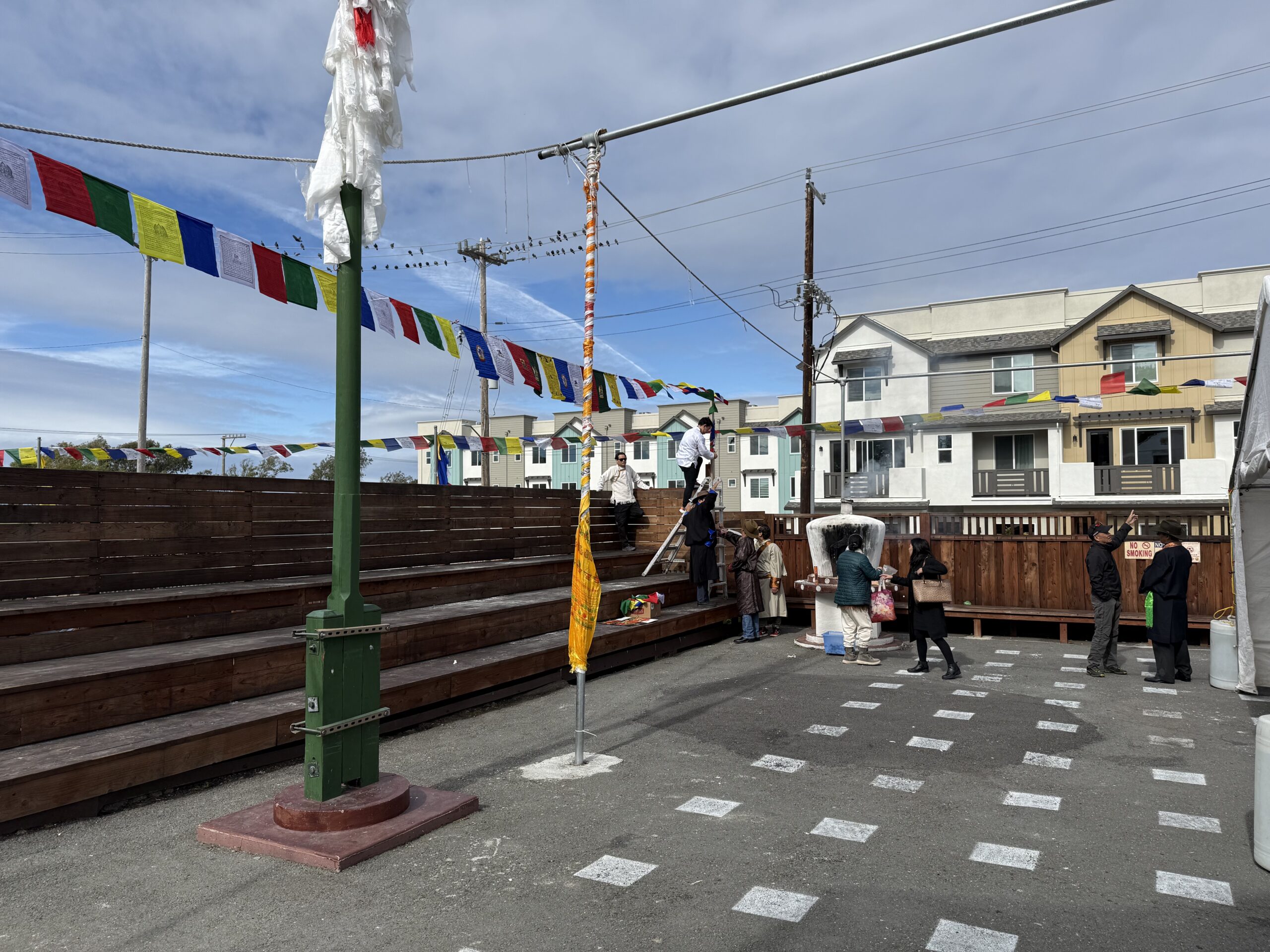
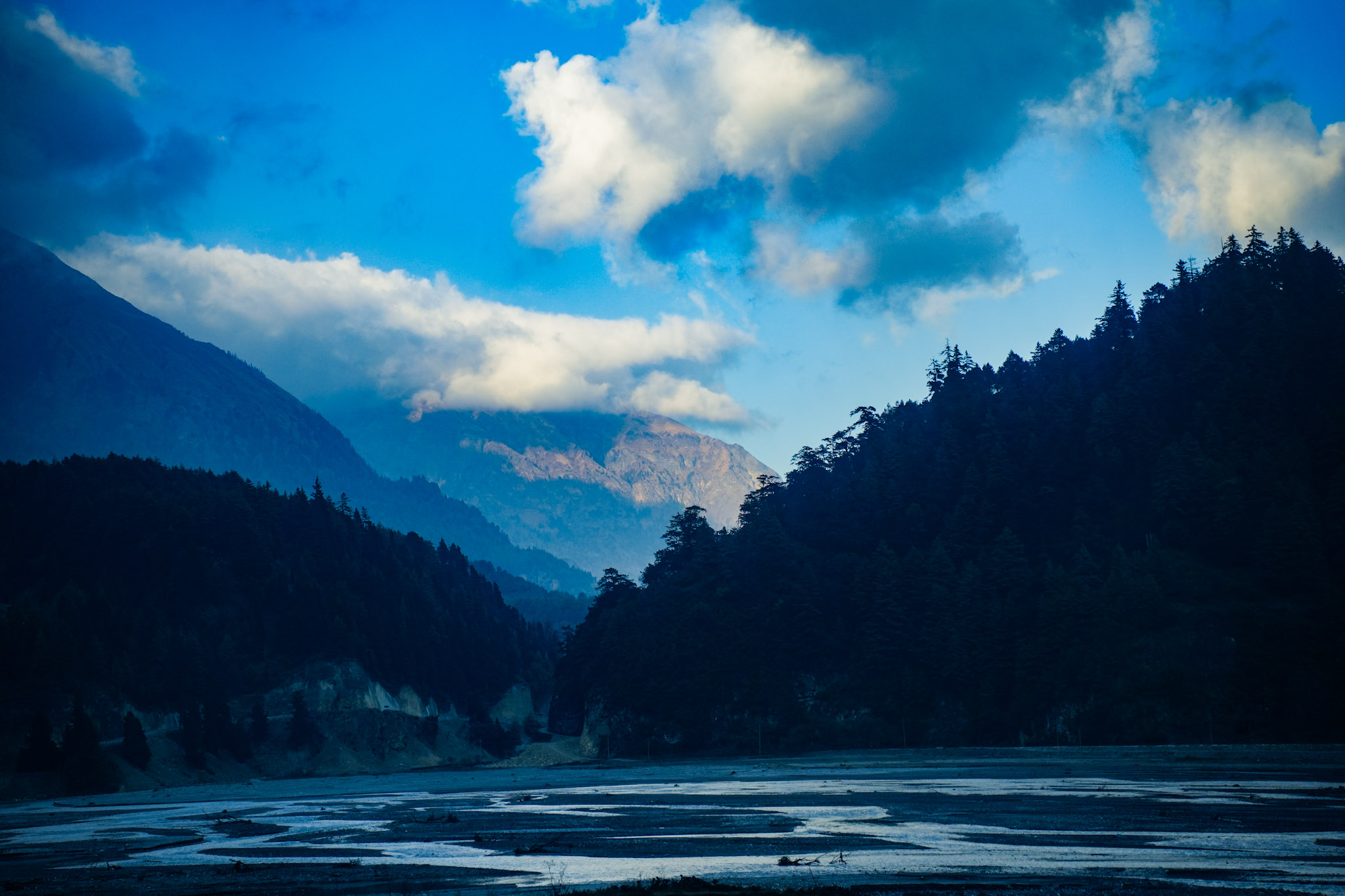
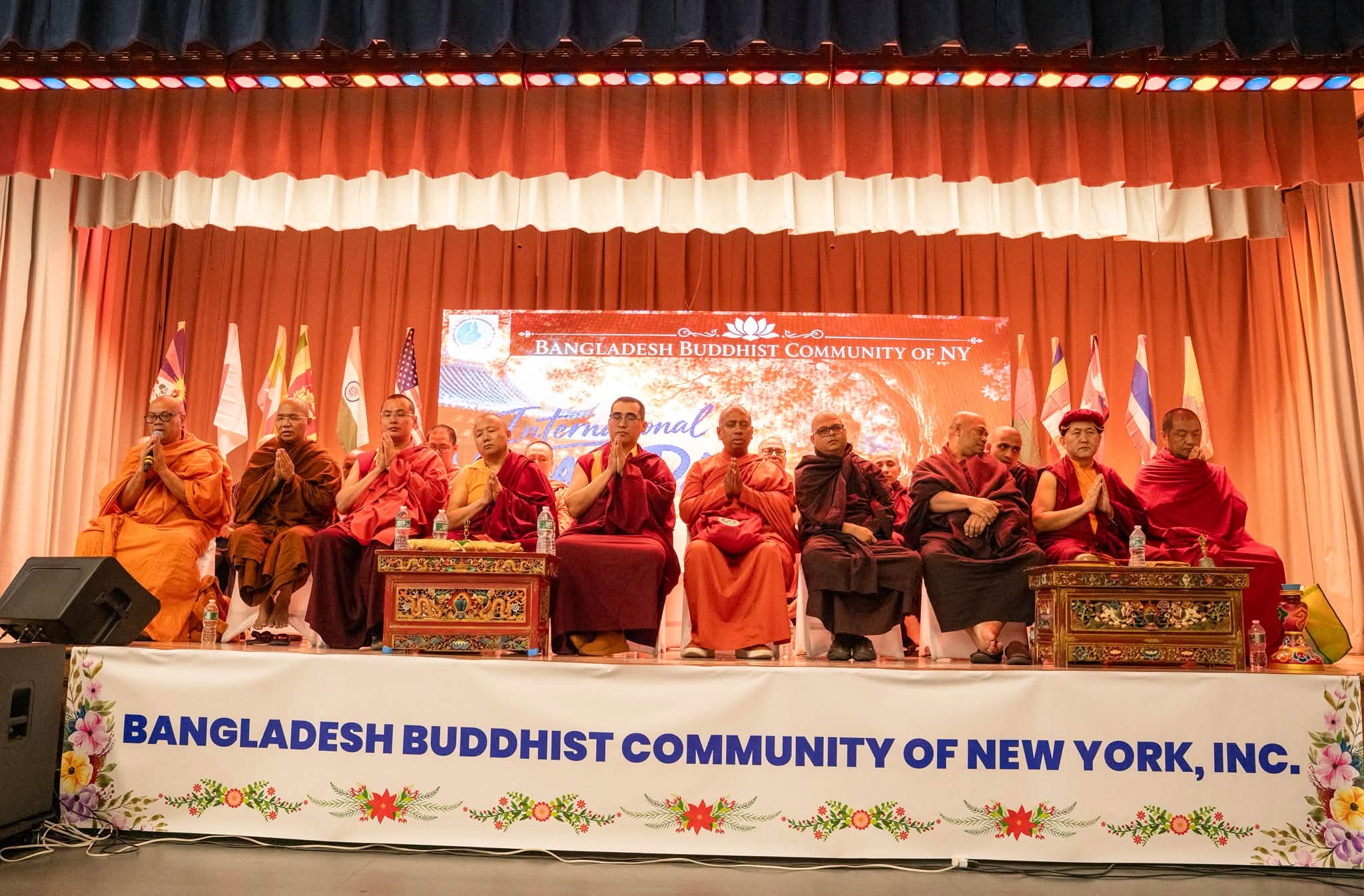
Beneath an open and generous sky, the Bay Area awakened to a day of uncommon clarity. The winter clouds had retreated, leaving sunlight to rest softly upon the hills of Northern California, as though the land itself understood that this was a day set apart. At the grounds of the Tibetan Association of Northern California, the California Sherpa Association, together with the Lhapso organizing committee members, welcomed hundreds of Sherpas and Himalayan families from across the region for the sacred observance of Losar Lhapso, also known as Lha Sol.
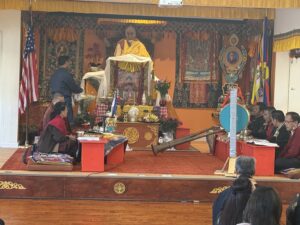
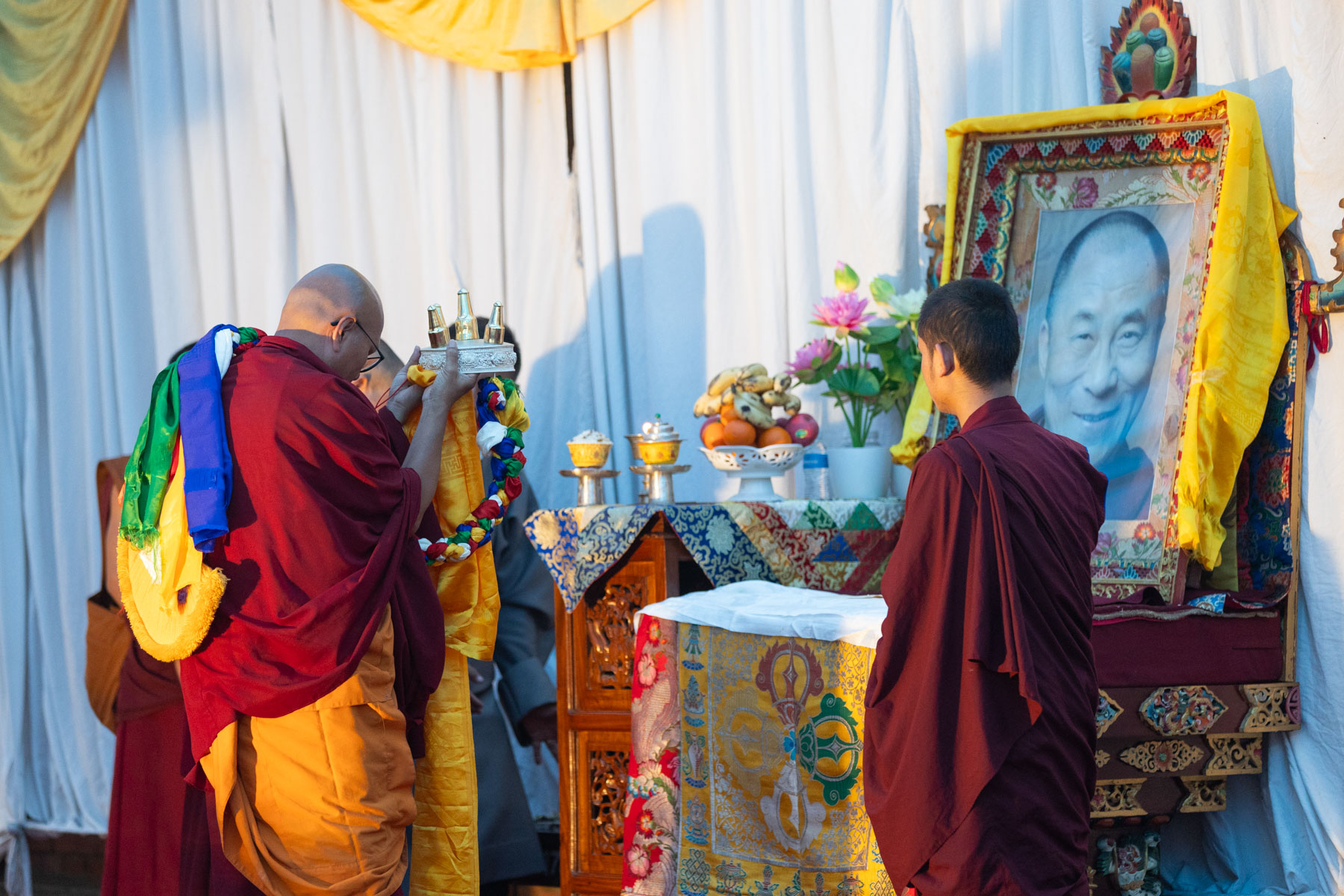
The gathering began not with applause or performance, but with prayer. The Tibetan Community Hall, monks and respected elders assembled for the solemn ritual of Sang Serkim Puja. Juniper branches touched flame, and fragrant smoke rose in quiet spirals, bearing offerings of gratitude and supplication toward unseen realms. Butter lamps trembled with gentle light. Ancient chants moved through the hall with measured cadence, deep and resonant, as though echoing across distant valleys.
Serkim, the sacred libation, was poured with reverence to protective deities. Grains and incense were offered to clear obstacles and invite auspiciousness for the year ahead. Sang represents purification through smoke; Serkim represents the offering of drink to guardians and awakened protectors. Together, the ritual purifies and invokes. It dispels misfortune, strengthens communal merit, and harmonizes human intention with the subtle forces believed to safeguard mountains, valleys, and homes.
When the final mantra dissolved into silence, the assembly stepped outward into the courtyard. Beneath the California sun, devotion gradually opened into celebration.
In the open courtyard of the Tibetan Community Center, hundreds of Sherpas stood side by side. White flour, a symbol of abundance and purity, was lifted in generous handfuls and joyfully cast into the sky. Laughter followed. Children cried out in delight. Elders watched with knowing smiles. As the flour drifted like a brief snowfall against the bright blue sky, voices rose together in a single proclamation:
“Ki Ki So So Lha Gyalo!”
The words carry layered meaning. “Ki Ki So So” expresses exhilaration and uplifted spirit. “Lha Gyalo” proclaims victory to the divine, or more deeply, may sacred forces prevail. It is a declaration of confidence that wisdom, protection, and virtue will flourish in the coming year.
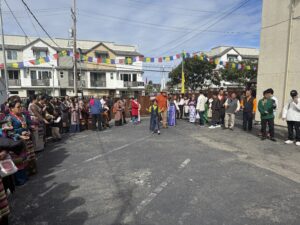
As the flour settled and the echoes softened, people turned toward one another with joined palms and clasped hands, offering the timeless greeting, “Losar Tashi Delek.” May the New Year bring blessings and good fortune. Friends embraced warmly. Younger generations bowed respectfully to elders. Smiles traveled easily from face to face.
Soon, the courtyard filled with movement as Syabru began, the traditional Sherpa circle dance. Men and women formed wide arcs, stepping in rhythm, shoulders gently swaying. The melodies carried the memory of high valleys and stone villages. The dance was not merely a performance but a remembrance. Through song and movement, the mountains were invoked once more.
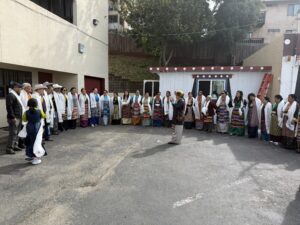
Tea was served, warm and comforting, alongside chhyang, the homemade barley brew that holds the taste of Himalayan hearths. Plates of food passed from hand to hand. Conversations unfolded in Nepali, Sherpa, Tibetan, and English, weaving together migration and memory. It was more than festivity. It was continuity made visible.
Above the courtyard, fresh prayer flags fluttered in blue, white, red, green, and yellow, embodying the five elements. Printed with mantras and sacred symbols, they were raised so that the wind might carry prayers outward into the world. In the Himalayan understanding, wind is the vehicle of blessing, an invisible messenger linking earth and sky.
A generous communal meal followed. Children ran freely across the yard, their laughter mingling with elders’ recollections of villages in Solukhumbu and earlier Losars beneath snowbound peaks. Adults spoke of work, family, and the responsibilities of building a future far from ancestral land. In that shared space, California and the Himalaya briefly dissolved into one landscape of belonging.
Although this gathering marked the fifth day of Losar, the New Year observance continues for fifteen days within the Tibetan lunar cycle. The first three days are most concentrated in ritual, yet each day carries its own rhythm of visitation, offering, and celebration.
Lhapso, or Lha Sol, holds particular meaning for Sherpa and Himalayan communities. The term suggests renewal of protective energies and communal fortune. In traditional villages, Lhapso includes offerings to mountain deities and local guardians, the raising of fresh prayer flags upon rooftops and ridgelines, communal smoke offerings, sharing chhyang and festive foods such as khapse, and the public affirmation of unity through collective chant and joyful flour casting.
In diaspora communities such as the Bay Area, the peaks may be far from sight, yet the sacred geography remains alive. The courtyard becomes a valley. The hall becomes a monastery. The California sky widens enough to receive Buddhist prayer.
Losar Lhapso is therefore more than a celebration. It is a renewal enacted together. It is identity carried across oceans and reaffirmed through practice. Culture survives not by memory alone, but by action, by flour lifted toward sunlight, by dance moving in shared rhythm, by tea poured between generations.
Under the clear Bay Area sky, the Sherpa community did not simply mark a date on the calendar. They renewed a covenant with ancestors, with protective forces, and with one another.
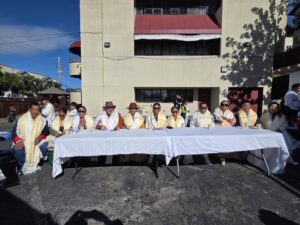
The celebration was made possible through the dedication of the organizing committee: Mr. Ang Tsering Sherpa and Mrs. Lhemi Sherpa; Mr. Mat and Mrs. Chering Heffelfinger; Mr. Ang Ngawang Sherpa and Mrs. Dali Sherpa; Mr. Mingmar Dorji Sherpa and Mrs. Pemba Sherpa; Mr. Dawa Finjo Sherpa and Mrs. Priyanka Lama; and Mr. Amit Ranjit and Ms. Pema Sherpa. Their collective effort ensured that tradition was not only remembered but carefully enacted.
New organizers were selected to lead next year’s celebration, ensuring the continuity of the tradition and the shared responsibility of stewardship. The California Sherpa Association hosts this event annually, preserving and strengthening the cultural and spiritual bonds of the community.
The program concluded with a lively DJ session featuring Nepali and Sherpa songs, bringing the community together in celebration and joyful dance.