
Gen-Z Protests Inflict Rs 25 Billion Blow to Nepal’s Tourism Ahead of Peak Season
KATHMANDU, September 13 — Nepal’s tourism industry has suffered a staggering setback in the wake of the September 8–9 Gen Z protests, with damages and losses estimated at Rs 25 billion. The violent demonstrations, which erupted in Kathmandu and spread to major cities, not only left dozens dead and hundreds injured but also struck a severe blow to one of the nation’s most vital economic sectors just as the peak tourist season was about to begin.
Hotels and Key Destinations Hit Hard
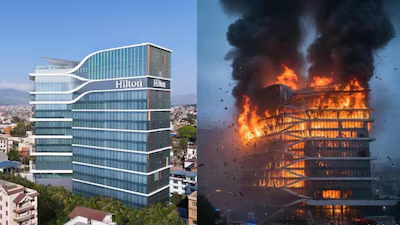
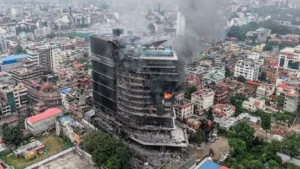
According to a preliminary report by the Hotel Association Nepal (HAN), more than two dozen hotels across the country were vandalized, looted, or set ablaze during the unrest. Among the worst affected was Kathmandu’s Hilton Hotel, where damages alone are estimated to exceed Rs 8 billion. Other high-profile establishments reported broken lobbies, smashed windows, and ransacked property.
The protests also disrupted services in key tourism hubs, including Pokhara, the gateway to the Annapurna trekking circuit; Bhairahawa, home to Gautam Buddha International Airport; Biratnagar, a major entry point from India; and Dhangadhi, a growing western city. Many businesses in these areas were forced to close, while hotels reported mass cancellations by both international and domestic travelers.
Impact on Tourism Flow
Industry insiders said the protests could not have come at a worse time. September marks the beginning of Nepal’s high season for trekking, mountaineering, and cultural tourism, with tens of thousands of foreign visitors expected to arrive in the coming weeks. Travel agents reported a surge in booking cancellations following the unrest, while airlines confirmed disruptions to domestic and international schedules.
An estimated 15,000 foreign tourists currently in Nepal faced uncertainty as curfews, transport restrictions, and safety concerns kept many confined to their hotels. Trekking expeditions were postponed, and cultural events in Kathmandu Valley were canceled.
Officials Project Confidence
Despite the losses, tourism leaders are urging resilience. Nepal Tourism Board (NTB) CEO Deepak Raj Joshi said the sector had survived past crises—including the 2015 Gorkha earthquake and the COVID-19 pandemic—and would rebound again.
“Tourism will definitely revive,” Joshi said. “We already have a recovery plan in place, and our priority is to reassure visitors that Nepal remains a safe and welcoming destination.”
Calls for Government Action
Economists and industry experts stressed that recovery will depend not only on private sector resilience but also on strong government support. Economist Dr. Samir Khatiwada emphasized the need to restore law and order swiftly, promote a positive international image, and ensure safe travel corridors. Without this, he warned, Nepal risks losing the confidence of potential visitors at a critical time.
HAN Chair Binayak Shah echoed these sentiments, calling on the government, private sector, and civil society to work together. “As the tourist season is about to begin, it is important to send a positive message from Nepal,” Shah said. “Only through unity and coordinated action can we rebuild trust and move toward recovery.”
Industry-Wide Appeal for Unity
Stakeholders across the sector—including the Trekking Agencies Association of Nepal (TAAN) and the Nepal Mountaineering Association (NMA)—have joined the call for collective action. They urged the government to deploy targeted promotional campaigns abroad, facilitate smooth visa and entry processes, and ensure that trekking and mountaineering routes remain safe and operational.
Tourism accounts for nearly 7% of Nepal’s GDP and provides livelihoods for hundreds of thousands. With the autumn trekking season around the corner, stakeholders warn that unless swift measures are taken, the financial and reputational damage could extend far beyond the immediate aftermath of the protests.
For now, Nepal’s tourism sector faces yet another test of resilience. But if past recoveries are any indication, industry leaders remain hopeful that the nation known for its mountains, culture, and hospitality will once again rise from crisis and welcome the world.