
Nepal at a Crossroads: Democratic Consolidation, Governance Competence, and Strategic Autonomy in the 2026 General Election

Nepal’s general election scheduled for March 5, 2026, represents one of the most consequential moments in the country’s democratic evolution since the adoption of the 2015 Constitution. Far beyond a routine electoral contest, the upcoming vote is a decisive test of whether Nepal can transcend a cycle of fragile coalition politics, episodic governance, and public disillusionment. The stakes are high. The election will determine not only party alignments and leadership succession but also the credibility of democratic institutions, public confidence in governance, and the country’s capacity to pursue economic development, social stability, and strategic autonomy amid shifting regional and global dynamics.
The immediate political context is shaped by persistent volatility that has characterized much of Nepal’s post-constitutional period. Governments have frequently changed, coalition arrangements have proven fragile, and power-sharing negotiations have often taken precedence over policy implementation. Such instability has delayed development projects, weakened administrative capacity, and eroded citizen trust in state institutions. These structural weaknesses were further exposed by the youth-driven civic uprising of September 2025, which mobilized urban, digitally connected citizens frustrated by corruption, unemployment, bureaucratic inertia, and the personalization of state authority. The resignation of Prime Minister K P Sharma Oli in response to popular pressure marked a rare moment of mass accountability, while the interim government led by former Chief Justice Sushila Karki provided temporary stability without addressing deeper institutional deficiencies. In this context, the 2026 election is widely perceived as a referendum on the quality of leadership, the robustness of democratic processes, and the country’s future capacity for effective governance.
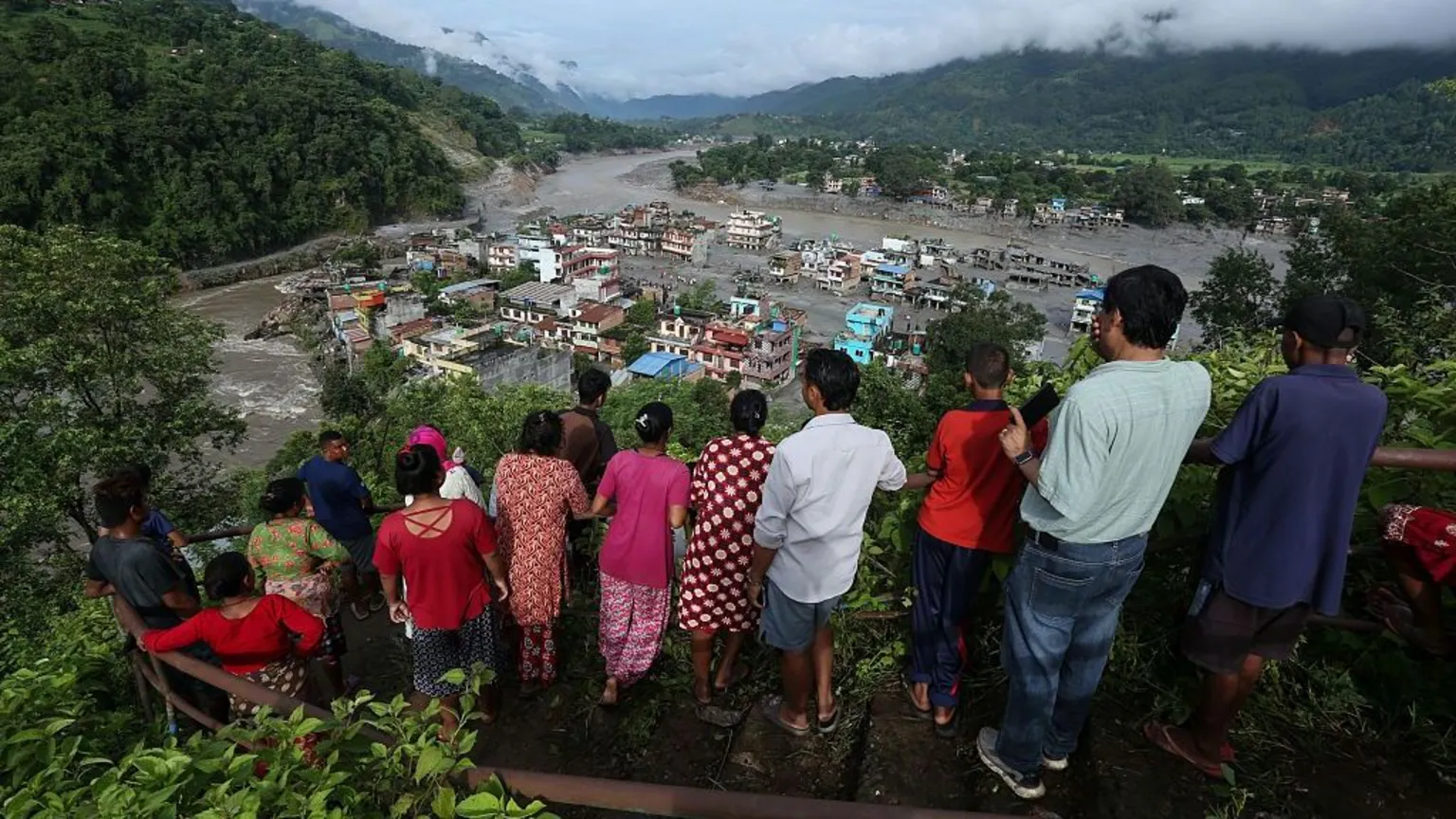
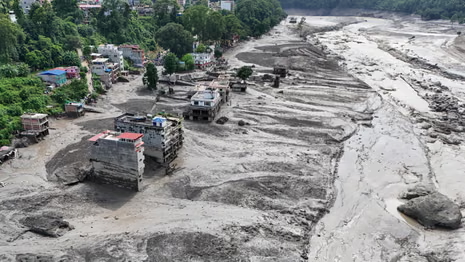
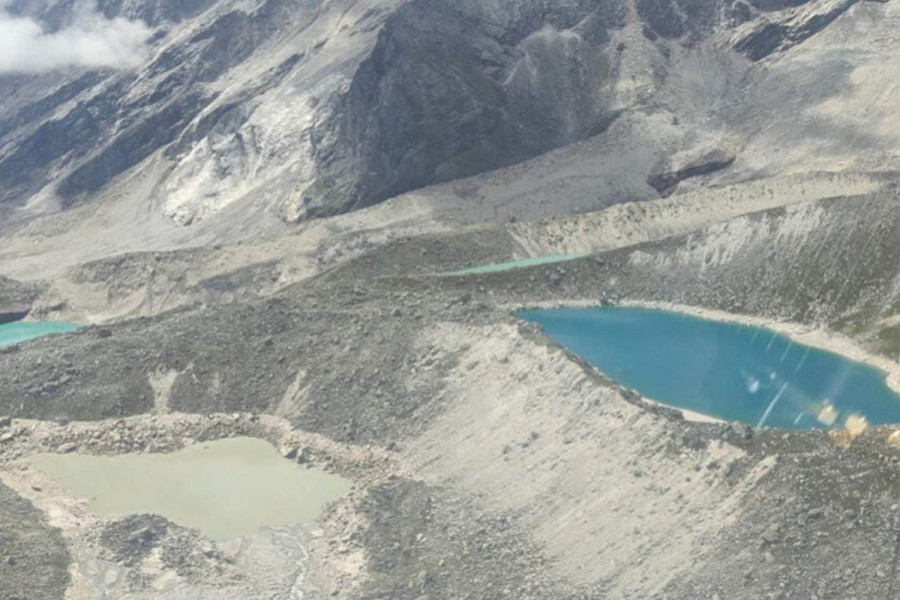
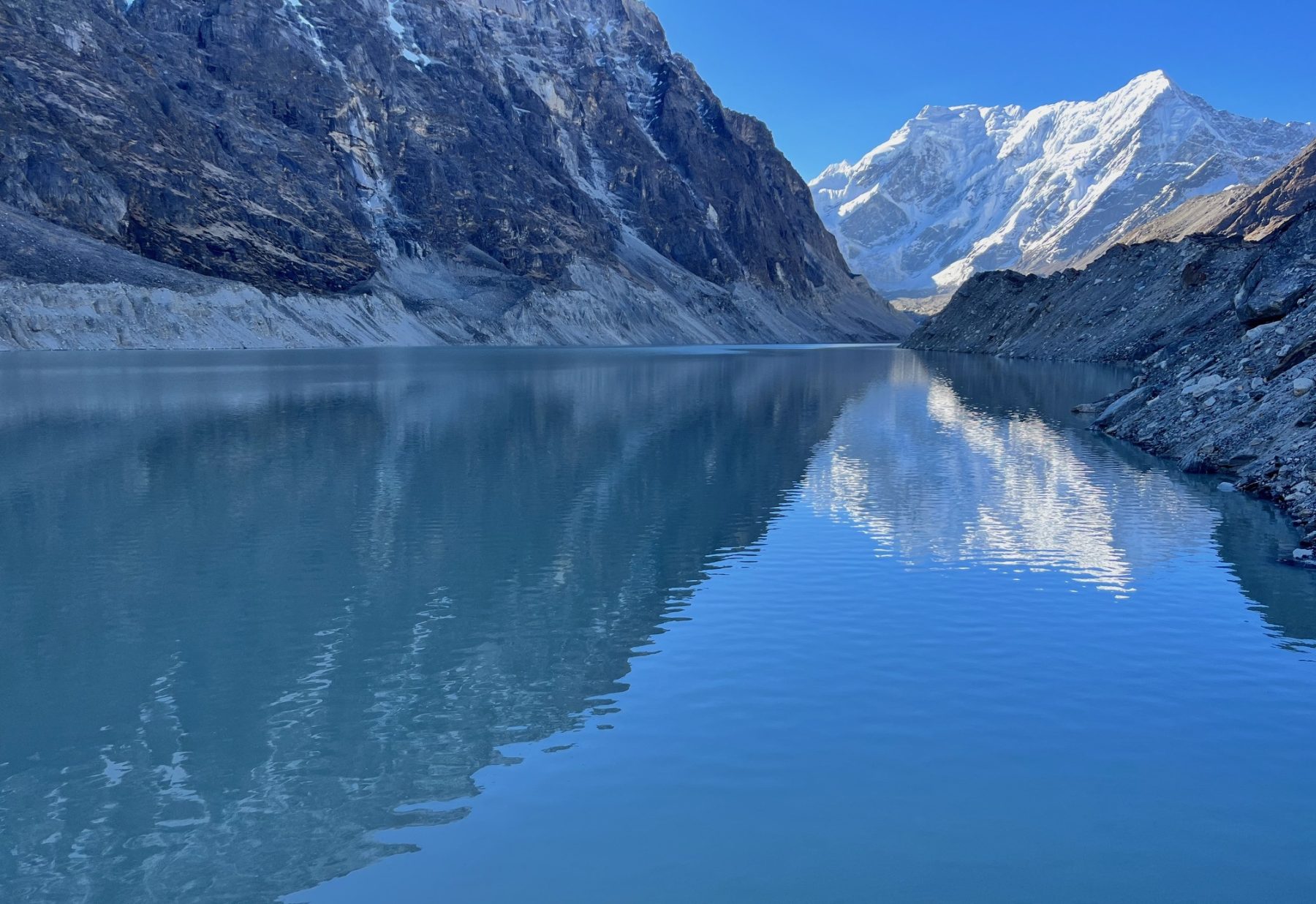
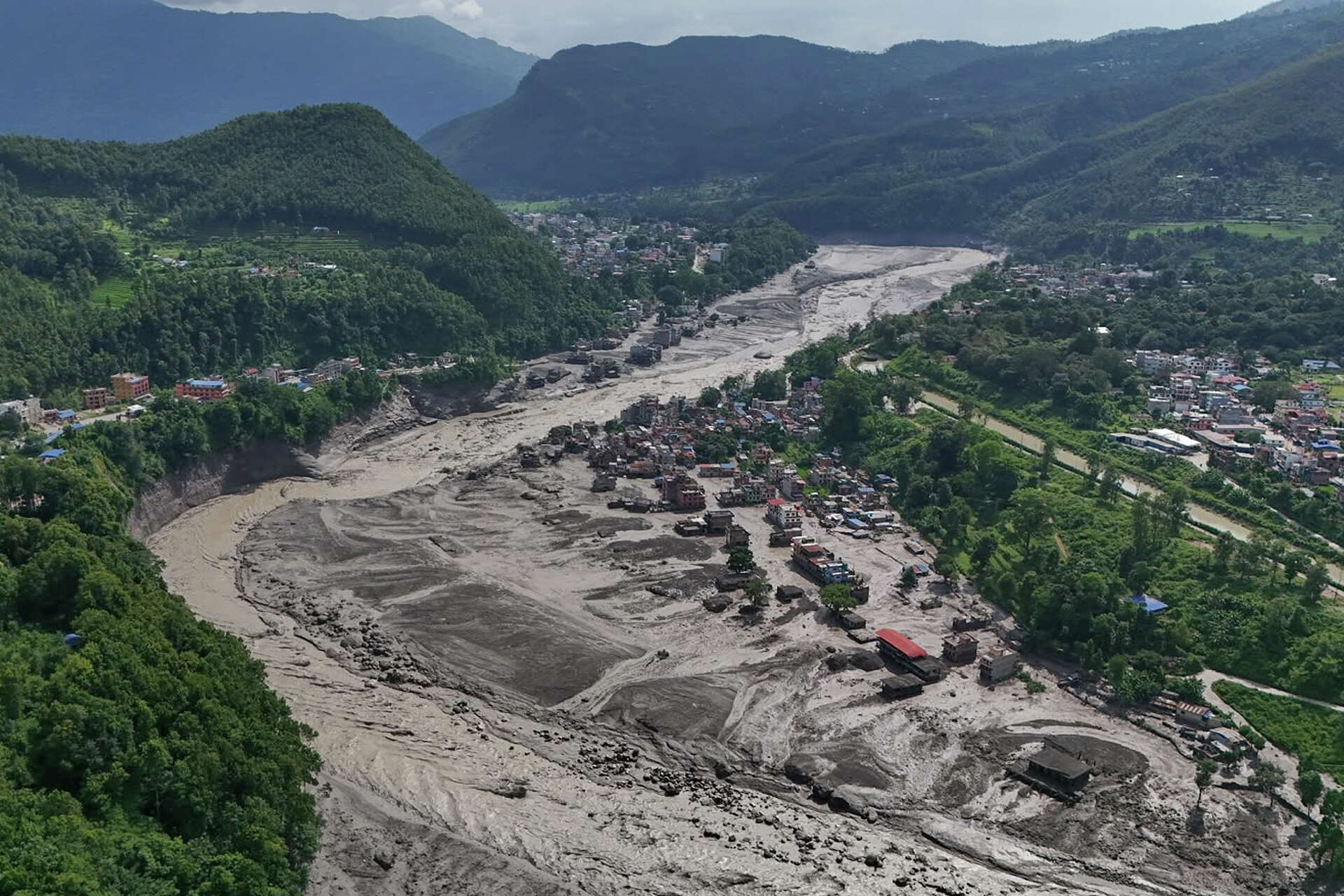
The structural challenges facing Nepal intensify the significance of the election. Economic growth has slowed, youth migration continues at high rates, remittance dependence remains elevated, and public infrastructure lags behind regional peers. Climate change has exacerbated flooding, landslides, and glacial hazards, highlighting gaps in disaster preparedness and public health systems. Nepal’s position between India and China has magnified external interest and intervention, underscoring the need for coherent foreign policy, consistent governance, and strategic autonomy. These domestic and international pressures have transformed the stakes of electoral outcomes. Success in governance is increasingly judged by the ability to implement reforms, deliver public goods, and manage crises effectively, rather than merely by procedural electoral fairness or party loyalty.
Effective political leadership in contemporary Nepal demands institutional literacy, policy competence, ethical credibility, and crisis management capacity. Leaders must navigate complex parliamentary procedures, coordinate across federal and provincial governments, ensure fiscal discipline, and maintain civil service accountability. International experience demonstrates that countries with strong institutional frameworks and professionalized administrations are more resilient in the face of political transitions and crises. Policy competence is equally essential. Governments must address challenges such as macroeconomic stability, energy transitions, digital governance, climate adaptation, and public health systems. Ethical integrity is critical for maintaining legitimacy and public trust, as corruption undermines policy priorities, weakens state capacity, and discourages both domestic and foreign investment. Finally, crisis leadership is indispensable. Nepal is highly vulnerable to earthquakes, floods, pandemics, and economic shocks, and effective governance requires leaders who can respond decisively, calmly, and based on evidence. The global response to the COVID-19 pandemic illustrated that leadership quality has a direct impact on public trust, social cohesion, and outcomes in times of crisis.
The risks of populist governance offer important cautionary lessons. Populist movements often emerge during periods of public frustration, positioning themselves as alternatives to established elites and promising rapid transformation. While such movements may achieve electoral success, their governance record is often marked by short-termism, policy inconsistency, and institutional weakening. Experiences in Latin America, Eastern Europe, and elsewhere demonstrate that populist approaches can generate economic instability, erode checks and balances, and polarize societies. For a small, geopolitically sensitive country like Nepal, governance driven primarily by emotional appeal or symbolic politics increases vulnerability to external pressure and reduces long-term developmental capacity. Competence-driven leadership with a clear parliamentary mandate is therefore essential to preserve institutional strength, policy continuity, and national resilience.
Nepal’s electorate has evolved in parallel with these structural and institutional challenges. Citizens are increasingly focused on governance outcomes, demanding tangible progress in employment, infrastructure, public services, and anti-corruption measures. Ideological loyalty and historical affiliations are no longer sufficient to secure political support. The rise of new political actors and independent voices reflects widespread fatigue with entrenched party structures, while simultaneously raising the bar for administrative readiness and policy depth among contenders. Youth political consciousness has emerged as a particularly decisive factor. Digitally connected, globally informed, and demanding of transparency and accountability, younger voters scrutinize leaders’ performance closely. Social media has intensified public oversight, enabling rapid mobilization against corruption, inconsistency, or ineffective policies. This shift has created a new political dynamic in which credibility and results-oriented governance are central to electoral success.
Within established party politics, figures attempting to reconcile institutional continuity with generational renewal are gaining prominence. Gagan Thapa, for example, has emerged as a leading voice in the Nepali Congress, advocating internal reform, policy clarity, and organizational modernization. His growing influence reflects the public’s demand for leadership that combines democratic legitimacy with administrative seriousness. Whether internal party reform translates into national leadership will depend on the election outcome and coalition dynamics, but the increasing focus on competent, accountable, and reform-minded leadership signals a significant transformation in Nepal’s political culture.
Parliamentary stability is another critical factor for effective governance. Nepal’s recent history demonstrates the high costs of fragmented mandates, including disrupted policy continuity, delayed projects, and weakened accountability mechanisms. International experience indicates that a clear parliamentary majority allows governments to implement long-term reforms, coordinate across different levels of government, and project political stability to investors and international partners. For Nepal, a strong mandate would enhance policy coherence, strengthen federal coordination, and increase the country’s ability to pursue sustainable development while maintaining strategic autonomy in a competitive regional environment.
The geopolitical and economic implications of the 2026 election are substantial. Nepal’s stability directly affects its ability to navigate relationships with India and China while maintaining strategic independence. Fragmented governance increases the risk of external influence, while a stable leadership with a clear mandate strengthens diplomatic credibility and negotiation capacity. Foreign investors and development partners assess political predictability, regulatory clarity, and institutional reliability when making investment decisions. A fragmented political landscape with frequent policy reversals would undermine confidence in key sectors such as hydropower, tourism, and regional connectivity projects. Similarly, Nepal’s credibility in multilateral institutions and its engagement with diaspora communities depend on consistent, effective governance.
Ultimately, the 2026 general election is a defining test of Nepal’s democratic consolidation and governance capacity. Comparative global experience demonstrates that nations that prioritize competence over spectacle, institutions over impulse, and long-term policy over short-term political gain are better positioned to achieve stability, development, and international credibility. The choice before Nepal’s voters extends beyond party competition or electoral arithmetic. It concerns the standards by which leadership is evaluated and the type of governance the country seeks to institutionalize. This election is not only about who governs Nepal, but about how Nepal chooses to govern itself in the decades to come, shaping the trajectory of democracy, development, and strategic autonomy in a rapidly evolving regional and global order.