
Save the Himalaya: Our Shared Responsibility Before It Is Too Late

The Himalaya, towering, ancient, and sacred, is more than a symbol of natural grandeur. It is the beating heart of Asia’s water supply, feeding the great rivers that sustain more than a billion people downstream. Yet today, it stands at a precipice. Climate change is rapidly unraveling its glaciers, destabilizing fragile ecosystems, and threatening the livelihoods of indigenous communities who have lived in these mountains for centuries. What we do or fail to do now will determine whether the Himalaya remains a source of life or becomes a cautionary tale of irrevocable loss.
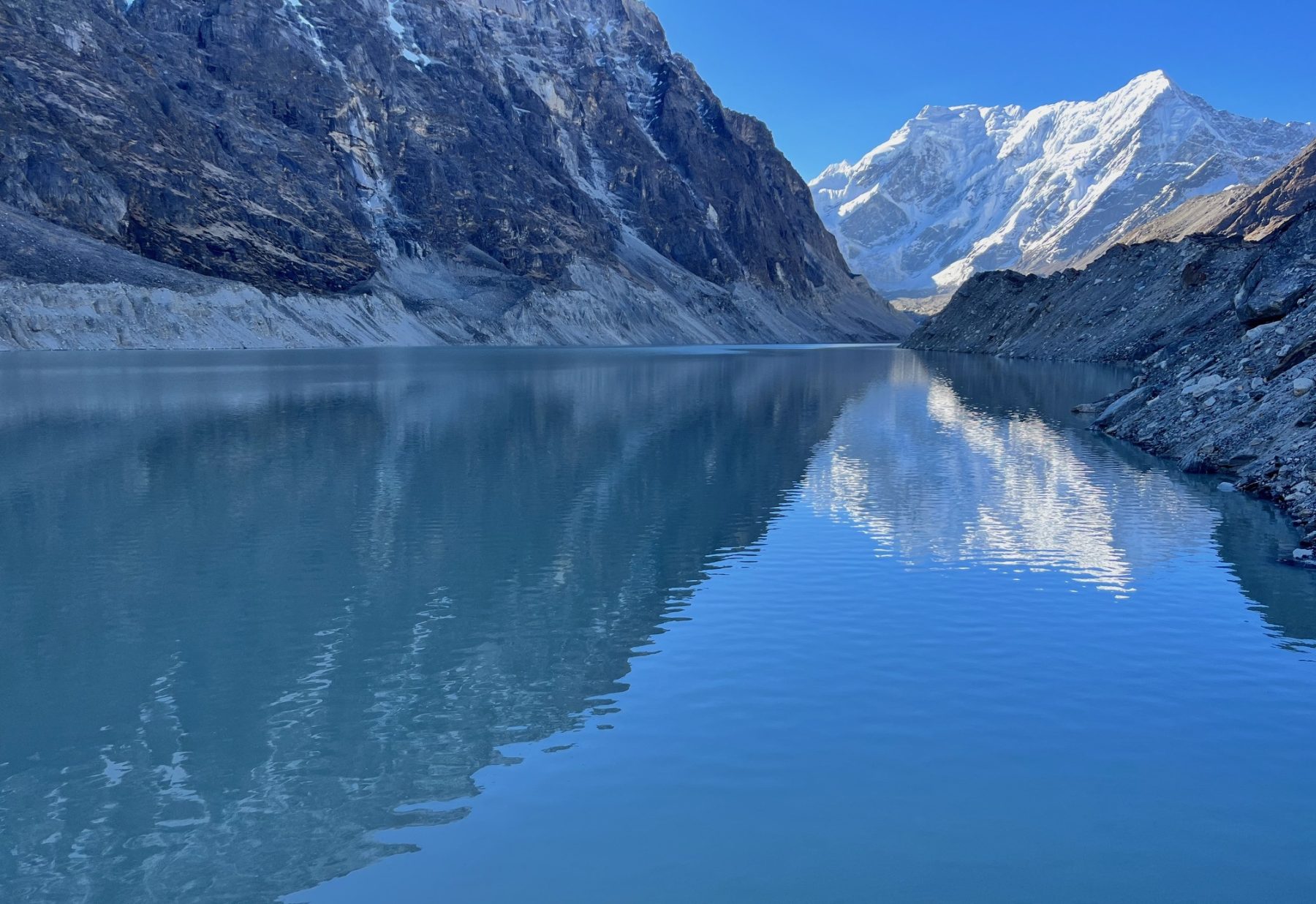
In recent years, scientists have sounded the alarm. Himalayan glaciers are melting at rates previously unimaginable. A landmark study from the International Centre for Integrated Mountain Development ICIMOD found that between 2011 and 2020, glaciers in the Hindu Kush Himalaya region retreated sixty five percent faster than in the prior decade. This is not merely a slow unraveling; it is a full throated breakdown of the region’s ice reserves. Some models now predict that by 2100, the Himalaya could lose up to seventy five percent of its ice under warming scenarios consistent with current global emissions trajectories.
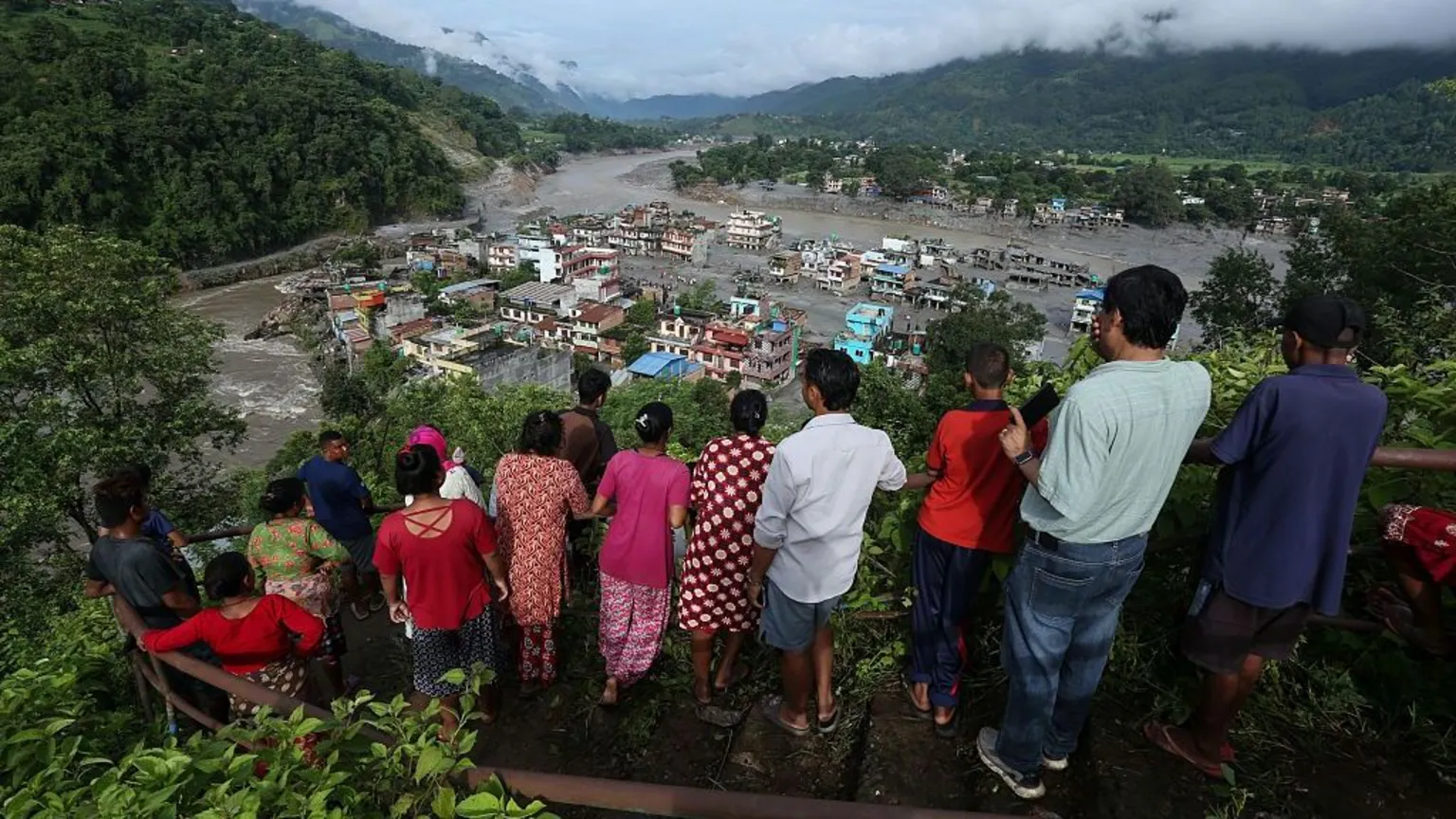
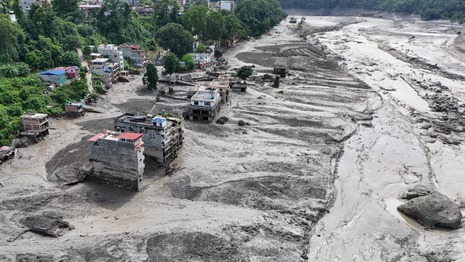
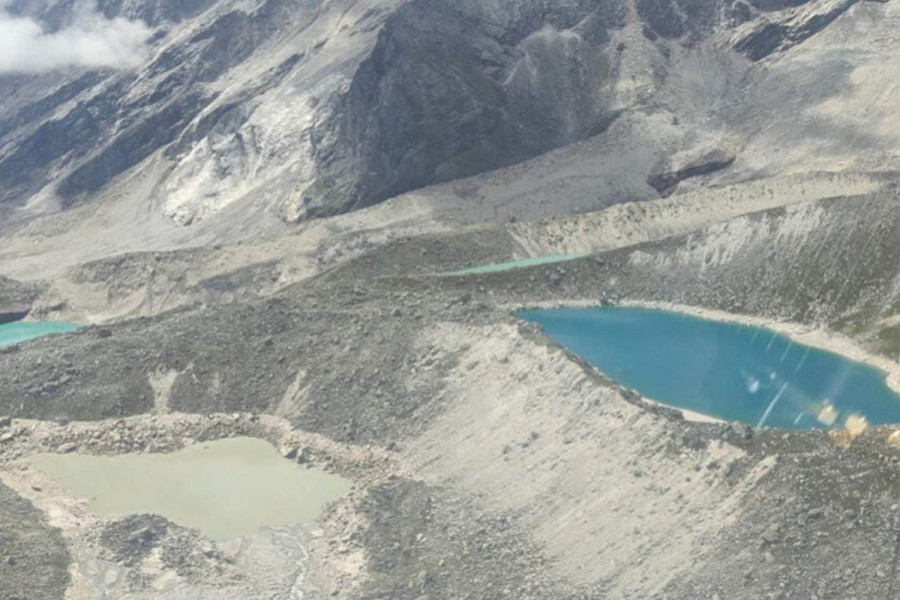
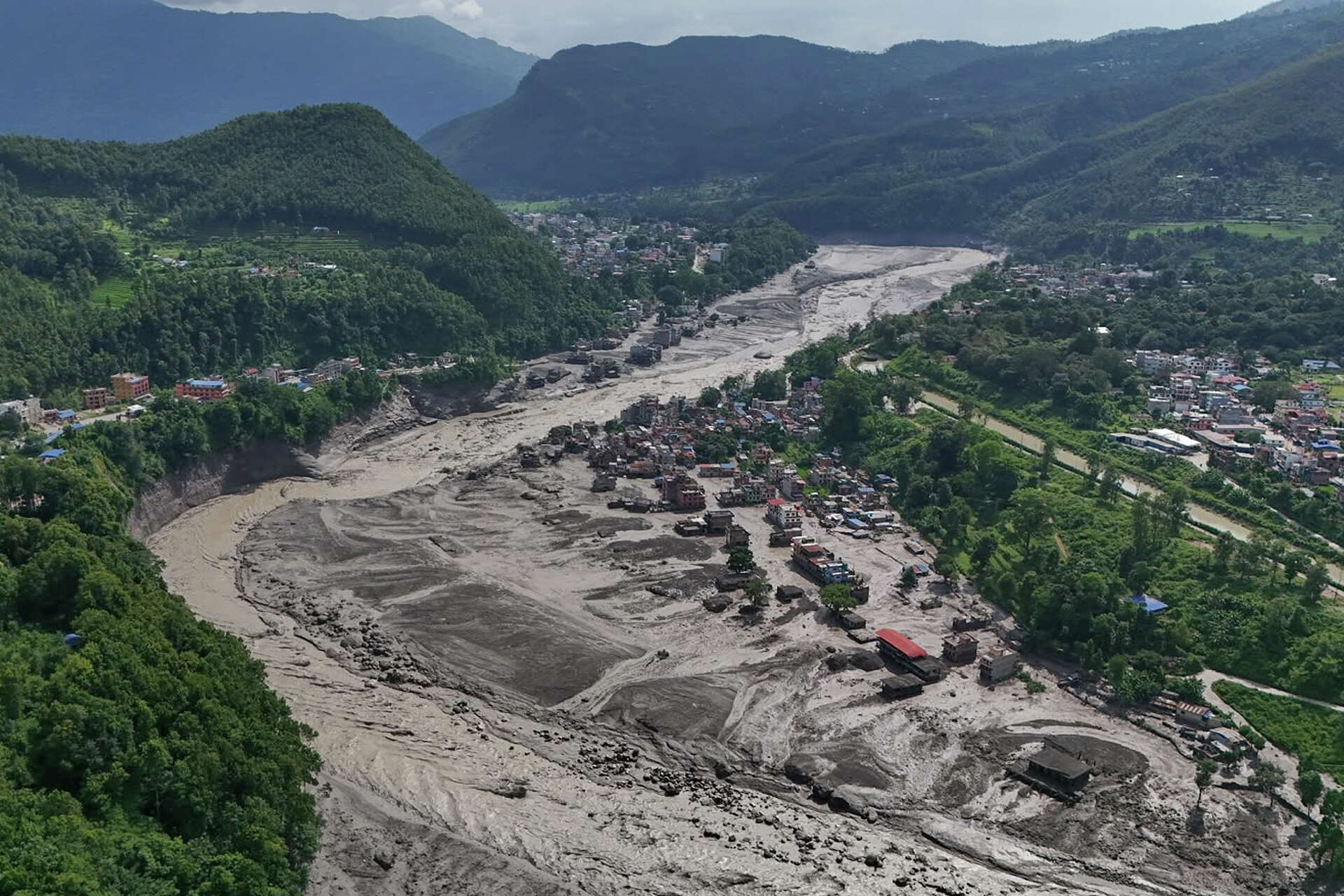
The consequences are profound. In the short term, rapid melting can increase river flows, but those surges are volatile and dangerous. Glacial lake formation is accelerating, raising the risk of Glacial Lake Outburst Floods, sudden, devastating floods that can wipe out entire mountain valleys. National Geographic highlights that many glacial lakes in Nepal have more than doubled in number since the 1970s. Meanwhile, as frozen soils thaw, slopes become unstable, triggering more landslides, rockfalls, and avalanches. Over time, the initial surge of water will fade. Without the mass of glaciers to sustain flow, river systems that rely on slow melt will face long term decline, especially during dry seasons.
This unfolding crisis does not affect nature alone. It strikes at the heart of indigenous Himalayan communities. Villages scattered across Nepal, Bhutan, India, and Tibet have relied on stable glacier fed water systems for generations. Their livestock graze on alpine pastures; their fields rely on predictable water. But now, pastures are dying, rivers are changing, and the ground itself shakes more often. In Nepal, for example, water scarcity in several high altitude settlements is forcing families to migrate, while others struggle to safeguard livestock and homes from flood or landslide. Religious and cultural traditions, deeply entwined with glaciers, rivers, and high peaks, are also under threat as the very landscapes once seen as eternal now begin to vanish.
Despite their vulnerability, Himalayan nations and communities are not without resilience. Nepal has launched conservation initiatives such as the Chure Terai Madhesh Conservation Area Program, aiming to preserve fragile mountain ecosystems and prevent soil erosion in the foothills. At the same time, local efforts to build early warning systems for glacial lake outbursts are underway, grounded both in indigenous knowledge and scientific monitoring. Regional cooperation plays a critical role. ICIMOD brings together countries across the Hindu Kush Himalaya region to share data, build capacity, and coordinate strategies for adaptation.
Internationally, institutions like the United Nations have recognized the scale of the threat. The UN has elevated glacier preservation on its agenda, declaring 2025 as the International Year of Glaciers Preservation. Through partnerships with regional organizations and national governments, international climate policy is slowly integrating the unique vulnerabilities of mountain systems into global resilience mechanisms.
Still, even the boldest actions have their limits. Much of the damage is already locked in. Past and present warming ensures that glaciers will continue to shrink, even if emissions were to fall dramatically overnight. Models suggest that under business as usual emissions, the Himalaya could lose eighty percent of its glacier volume by the end of the century. These are irreversible shifts, and the window for preventing them is narrowing fast.
If we fail to act decisively, the fallout will be felt not just in the mountains, but across entire continents. The Himalaya feeds twelve major river basins including the Indus, Ganges, Brahmaputra, Mekong, and Salween, upon which more than 1.6 billion people depend. As glacier melt peaks and then dwindles, water insecurity will proliferate. Agriculture will be harder to sustain, especially in dry seasons. Flood risks will rise, displacing communities and damaging critical infrastructure. Ecosystems adapted to high altitude cold may collapse. Traditional ecological knowledge could disappear along with the physical landscapes that nurtured them.
Moreover, scientists are now identifying how changes in global climate systems, like monsoon behavior, are accelerating melt. A 2025 study by researchers from the University of Utah and Virginia Tech showed that altered rainfall and snowfall patterns, driven by shifting monsoon seasons, are contributing to glacier loss across High Mountain Asia. These seasonal shifts are actively amplifying glacier retreat, creating cascading risks.
From a technological standpoint, researchers are also innovating to meet the crisis. Machine learning models are now being applied to satellite imagery to monitor glacier change in unprecedented detail. One such project uses a deep learning architecture to map both clean ice and debris covered glaciers across the Himalaya, making it easier to detect and respond to rapid changes in glacier geometry. Another model, GlacierNet2, improves glacier segmentation at regional scales by combining multiple algorithms, helping scientists estimate mass balance more accurately. These tools are crucial for early warning systems, long term planning, and supporting local communities adaptation.
Yet for all the scientific ingenuity, the most important driver for saving the Himalaya is political will and collective global action. Reducing greenhouse gas emissions remains the single most powerful lever. Without aggressive mitigation, even the most hopeful adaptation strategies may be overwhelmed by the speed and scale of change.
Complementing mitigation, we must invest in mountain resilience. This means building climate smart infrastructure, strengthening early warning capacities, restoring ecosystems, and supporting community led adaptation. Indigenous voices must be central in these efforts. Their traditional knowledge, passed down through generations, offers invaluable insight into the rhythms of mountain life and strategies for living with change. Empowering them is not just a moral imperative. It is the most effective way to safeguard the Himalaya in a way that is both just and sustainable.
Equally important is scaling up regional collaboration. The Himalayan range knows no political boundaries, but water and glacier systems do not respect national borders. Initiatives like ICIMOD should be bolstered with more funding, stronger policy backing, and broader international commitment. Global climate finance mechanisms must prioritize mountain specific projects, recognizing that the Himalaya is not a remote frontier. It is the water tower of Asia and vital to global climate health.
Finally, we need to reshape how the world sees and values the Himalaya. These mountains are not just a spectacular backdrop for tourism or a symbol of natural purity. They are a critical ecosystem, a cultural homeland, and a life support system for billions. Raising awareness must be part of the solution. Governments, civil society, and the media must elevate glacier preservation to the level of urgency given to polar ice, coral reefs, or rainforests.
The Himalaya is not just endangered. It is signaling a reckoning. The melting of its glaciers is not a distant problem. It is happening now, and it will ripple across continents, economies, and generations. We stand at a crossroads. With robust action, scientific collaboration, and genuine respect and inclusion of indigenous voices, we can chart a course that protects this Third Pole. Without it, we risk losing more than mountains. We risk undermining the future of water, culture, and life for billions.
Saving the Himalaya is no longer a poetic ideal. It is an urgent responsibility and a test of whether humanity is capable of protecting not just what we love, but what we depend on.