
United Sherpa Association of Colorado Moves Forward with Landmark Sherpa Cultural Center Project

Colorado — In the spring of 2022, during the sacred celebration of Losar, nearly sixty-five members of Colorado’s Sherpa community gathered at Tibet’s Restaurant in Louisville. What began as a festive New Year celebration marked by traditional greetings, shared Himalayan meals, and prayers for prosperity gradually evolved into a defining moment for the diaspora community. That evening, amid reflections on heritage and future generations, the United Sherpa Association of Colorado, also known as Sherpa Kyidug, was formally established as a nonprofit organization under Section 501(c)(3) of the Internal Revenue Code.
Since that foundational gathering, the Sherpa population in Colorado has continued to grow, with approximately 500 Sherpas now residing across the state. Drawn by economic opportunity and the familiar presence of alpine landscapes reminiscent of Nepal’s Himalayas, families have established new lives along the Front Range and surrounding regions. Yet alongside growth has come a pressing concern shared by elders and young parents alike: how to preserve the Sherpa language, spiritual practice, ritual traditions, and collective memory within a rapidly changing cultural environment.
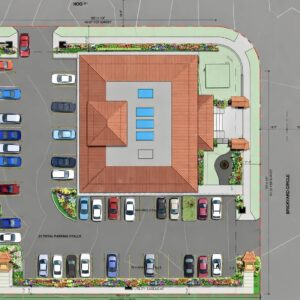
Community leaders say the answer lies in building a permanent Sherpa Cultural Center, a project that has quickly become the association’s most ambitious initiative. Immediate Past President Kazi Sherpa confirmed that the United Sherpa Association of Colorado has taken a decisive step toward realizing this vision by purchasing land valued at $500,000 in Golden, Colorado. The acquisition, he noted, was not driven by outside institutions or large foundations, but by something more powerful and intimate: the community itself. The entire amount was raised internally through contributions from Sherpa families and private donors, reflecting a rare level of unity and shared purpose within a growing diaspora.
Kazi Sherpa explained that the need for a dedicated cultural home has intensified as the community continues to expand. With more families establishing roots in Colorado, the absence of a permanent gathering place has become increasingly evident, particularly for children coming of age between two worlds and elders who safeguard the language, ritual knowledge, and oral histories of the Himalayas. Without a shared space, culture risks becoming occasional rather than lived, remembered rather than practiced. The center, he emphasized, is the community’s answer to that challenge.
To strengthen governance and ensure long-term accountability, the association has established two membership categories: General Members and Trustee Members. Those who contributed more than $5,000 toward the project are formally recognized as Trustee Members, and a Board of Trustees has been constituted to oversee financial transparency, responsible planning, and ethical stewardship as the initiative advances. “This cultural center will bring all Sherpas together in Colorado,” Kazi Sherpa said, describing it as an expression of collective sacrifice and shared hope.
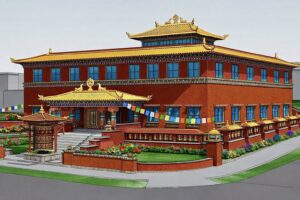
Association representatives emphasize that the facility is envisioned as far more than a meeting hall. It will serve as a permanent venue for Losar and other major cultural festivals, allowing annual celebrations to move from rented spaces into a dedicated Sherpa-owned environment. The center will also host weddings, religious ceremonies, memorial gatherings, and traditional rituals requiring continuity and sacred atmosphere. Plans include classrooms for Sherpa language instruction, history education, and traditional music and dance, along with youth mentorship programs designed to strengthen leadership and cultural literacy among second-generation Sherpas.
The proposed center will also open its doors to the broader Colorado community through cultural exhibitions, educational outreach, and interfaith dialogue. Leaders describe the project as both an inward commitment to heritage and an outward gesture of inclusion, positioning Sherpa identity as an integral part of Colorado’s multicultural fabric.
In addition to the main structure, architectural plans include the construction of four stupas on the Cultural Center grounds. In the Himalayan Buddhist tradition, stupas are sacred monuments symbolizing enlightenment, compassion, and spiritual awakening. Their placement around the center will transform the property into both a cultural hub and a site of spiritual reflection. The association has initiated fundraising efforts specifically dedicated to supporting stupa construction, inviting donors to participate in creating a lasting spiritual landmark in the Rocky Mountain region.
To encourage broad-based community participation, the association has also launched a “Buy a Brick” campaign. For $100, families and supporters can sponsor engraved bricks bearing their names. Each brick will become part of the building’s physical foundation, symbolizing shared ownership and intergenerational continuity. Organizers describe the campaign as a tangible way for every household, regardless of income level, to contribute to the Cultural Center’s creation.
The association entered a new leadership phase on February 21, 2026, with the election of a new Executive Committee under the presidency of Lhakpa Sherpa. The leadership team includes Dawa Sherpa as Vice President, Lhakpa Yangji Sherpa as First Treasurer, Ang Lhakpa Sherpa as Second Treasurer, and Kami Tenji Sherpa as General Secretary. Additional board members represent a wide cross-section of the community, ensuring both generational representation and shared responsibility in guiding the organization’s future.

Beyond infrastructure development, the association continues to host programs that actively sustain Sherpa heritage. The “Hike With the Sherpas” initiative, led by experienced mountaineers and Everest summiteers, connects Himalayan mountain traditions with Colorado’s wilderness environment, blending cultural storytelling with outdoor ethics. Vipassana meditation sessions and retreats further support spiritual cultivation, reinforcing the link between cultural preservation and inner practice.
Community leaders describe the Sherpa Cultural Center as a declaration of permanence. What began with sixty-five individuals gathered for Losar has evolved into a structured institution with land ownership, governance systems, fundraising mechanisms, and a clear strategic vision. As construction plans advance, the United Sherpa Association of Colorado stands at a historic threshold, working to ensure that Sherpa identity remains vibrant, visible, and rooted between the peaks of the Himalayas and the Rockies for generations to come.
Photo courtesy: United Sherpa Association Colorado facebook page

United Sherpa Association Transfers $30,521 to Nepal’s Prime Minister’s Disaster Relief Fund
5 days ago
Global Sherpa Conference 2026: A Global Gathering to Preserve Heritage, Identity and Unity
1 week ago