
Celebrating His Holiness the Dalai Lama’s Birthday Is a Celebration of Universal Human Values
Lhakpa G. Sherpa
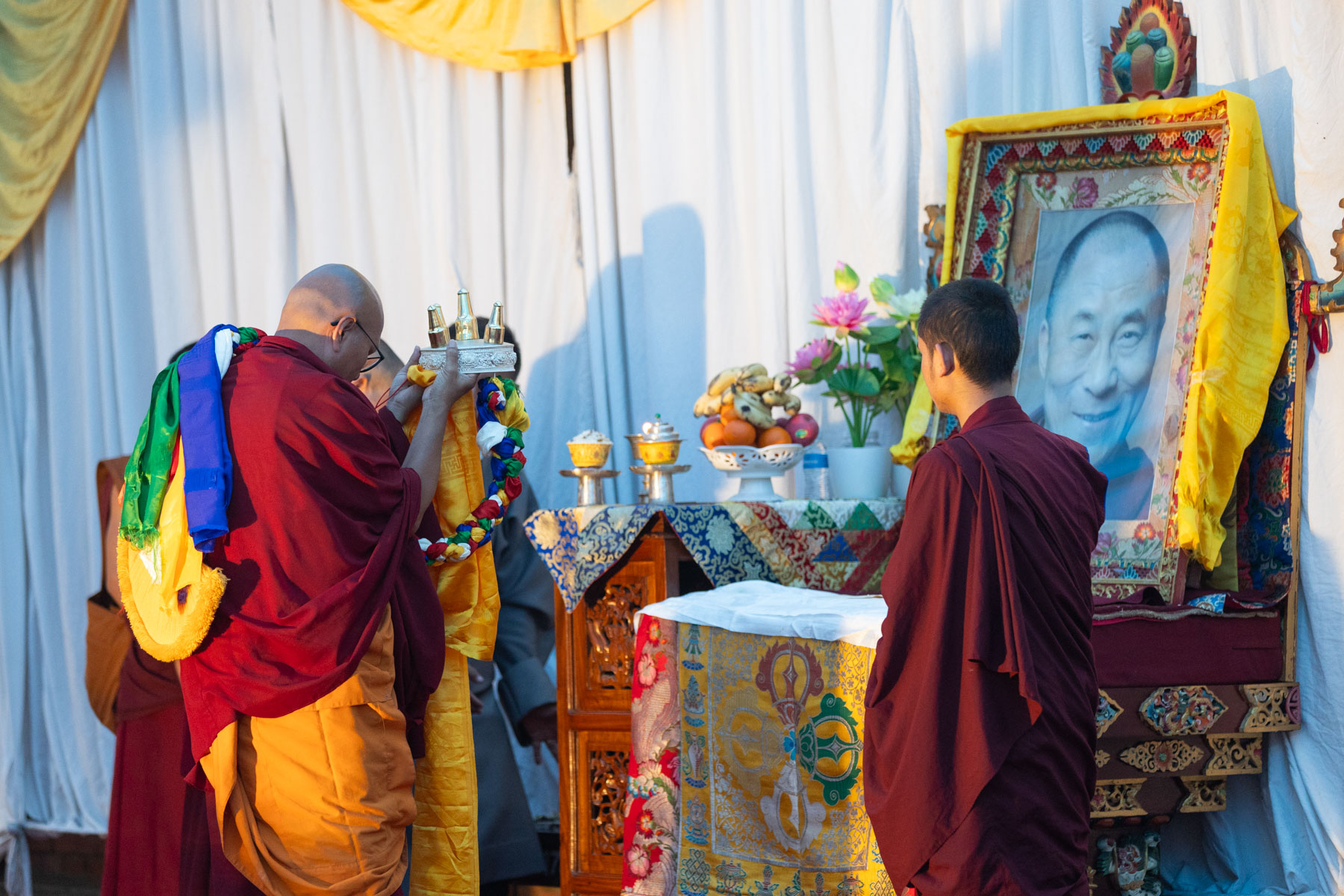
Every year, millions of people across the globe celebrate the birthday of His Holiness the 14th Dalai Lama. These celebrations take place not only in Tibetan communities but also in Buddhist temples, universities, interfaith organizations, peace institutions, and civic organizations across Asia, Europe, North America, Australia, and many other parts of the world. This global observance reflects a simple truth: the Dalai Lama belongs not to one nation or one people alone, but to humanity.
His Holiness is one of the world’s most respected spiritual leaders. For more than seven decades, he has dedicated his life to promoting compassion, nonviolence, religious harmony, human values, environmental responsibility, and inner peace. His message transcends nationality, ethnicity, and political ideology. Whether speaking to Buddhist practitioners, Christians, Muslims, Hindus, Jews, scientists, or secular audiences, his central teaching remains remarkably consistent: humanity can build a more peaceful world only by cultivating compassion and understanding.
It is therefore important to recognize that the Dalai Lama today is not a political leader. In 2011, he voluntarily transferred his political authority to the democratically elected leadership of the Tibetan people, ending centuries of combined spiritual and political leadership. Since then, he has devoted himself exclusively to his role as a spiritual teacher and global advocate for ethics, compassion, and dialogue. His public lectures focus overwhelmingly on the teachings of the Buddha, universal responsibility, education of the heart, and peaceful coexistence rather than political affairs.
For Nepal, this distinction is particularly significant. Nepal is a multiethnic, multilingual, multicultural, and multi-religious democratic republic whose Constitution guarantees freedom of religion and equal respect for all faiths. The country’s identity has long been shaped by harmony among diverse religious traditions, including Hinduism, Buddhism, Islam, Kirat, Christianity, and others. Within such a constitutional framework, peaceful celebrations honoring respected religious figures should be viewed as an expression of religious freedom rather than political activity.
Millions of Nepalese Buddhists, especially Sherpas, Tamangs, Gurungs, Thakalis, Mustange, Dolpos, Manangis, Hyolmo, Walung, Tsumbas, Nuptripa, Bhote, Nyimba, Tibetans living in Nepal, and many other Himalayan communities, revere His Holiness as their foremost spiritual teacher. For many devotees, he represents the living continuation of the Buddha’s teachings on compassion, wisdom, and nonviolence. Their devotion arises from faith, not from political affiliation. Respecting their right to celebrate their spiritual leader is consistent with the democratic principles upon which modern Nepal is founded.
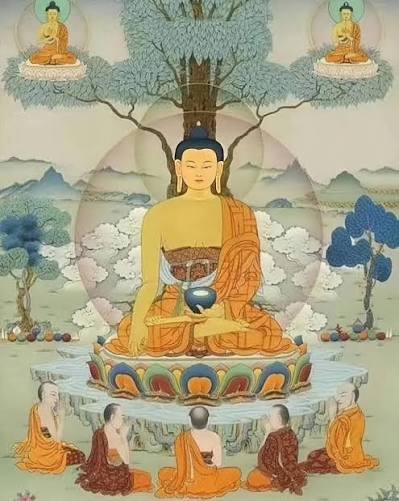
Nepal occupies a unique place in the history of world civilization because it is the birthplace of Lord Buddha, whose teachings transformed human thought and continue to inspire billions across the world. This extraordinary heritage carries both honor and responsibility. It is not enough simply to proclaim that “Buddha was born in Nepal.” Nepal can strengthen its identity as the land of the Buddha by actively promoting Buddhist heritage, protecting sacred sites, supporting monasteries, respecting monks and nuns, encouraging Buddhist scholarship, and fostering interfaith understanding.
His Holiness the Dalai Lama has arguably done more than almost any living individual to introduce the Buddha’s teachings of compassion and nonviolence to global audiences. Through thousands of public teachings, dialogues with scientists, meetings with world religious leaders, and educational initiatives, he has helped millions of people discover Buddhist philosophy while encouraging them to remain faithful to their own religious traditions. Rather than seeking conversion, he consistently emphasizes ethical values that all humanity shares.
Welcoming such a spiritual figure to Nepal would therefore be consistent with Nepal’s own historical and religious identity. His visits in the past have focused on Buddhist teachings, prayers, and cultural exchanges. A spiritual pilgrimage should be understood in that context rather than through a political lens.
At the same time, Nepal’s close friendship with the People’s Republic of China deserves respect. Nepal has consistently upheld the One China Policy, recognizing the Government of the People’s Republic of China as the sole legitimate government of China and not allowing its territory to be used for activities directed against China. Respecting this diplomatic policy, however, need not conflict with protecting the constitutional rights of Nepalese citizens to practice their religion peacefully. Diplomatic relations and religious freedom serve different purposes within a democratic state and can coexist when managed with wisdom and mutual respect.
The celebration of the Dalai Lama’s birthday should therefore be understood as an exercise of freedom of religion, freedom of peaceful assembly, and cultural expression, not as a political demonstration. Democracies become stronger when citizens are able to honor their religious traditions while respecting the sovereignty and international relationships of their country.
The global recognition accorded to His Holiness further illustrates his universal stature. In 1989, he received the Nobel Peace Prize for his consistent advocacy of nonviolent solutions, human rights, and peaceful dialogue. He has also been awarded the United States Congressional Gold Medal, one of America’s highest civilian honors. Throughout his lifetime, universities around the world have conferred more than 150 honorary doctorates in recognition of his contributions to ethics, education, philosophy, science, and peacebuilding. His books have become international bestsellers translated into dozens of languages, and his teachings continue to inspire people regardless of religion or nationality. His recordings have also received recognition within the recording industry, including Grammy Awards for spoken word recordings of his teachings.
History remembers societies not only for their economic achievements but also for how they honor wisdom, compassion, and moral leadership. Celebrating the birthday of a Nobel Peace Prize laureate who has devoted his life to promoting nonviolence, human dignity, and interfaith harmony is not merely a religious observance; it is an opportunity to reaffirm universal values that benefit all humanity.
In a world increasingly divided by conflict, hatred, and polarization, the Dalai Lama’s lifelong message remains profoundly relevant: compassion is not a luxury but a necessity for human survival.
For Nepal, the birthplace of the Buddha, embracing and celebrating those who dedicate their lives to carrying the Buddha’s timeless message across the world should be a source of national pride. Respecting religious freedom, honoring spiritual heritage, and promoting peace are not contradictory to good diplomacy; they are hallmarks of a mature, democratic, and compassionate society.

Indigenous Wisdom in a Changing Himalaya, Rights, Identity and Responsibility for Our Shared Future
2 weeks ago
Broad Peak’s Silent Warning: How Many More Lives Must the Mountains Claim Before We Listen?
4 weeks ago