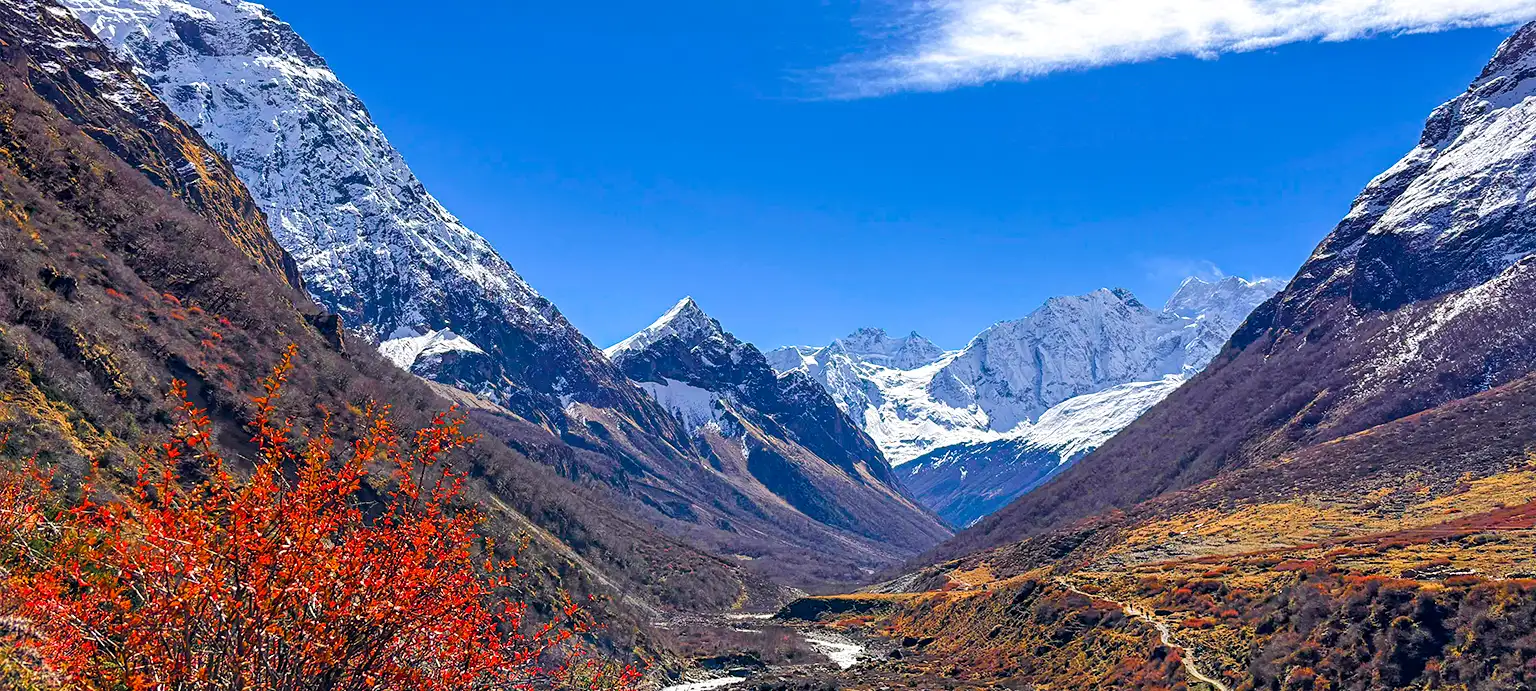

The Changing Himalayas: Climate Challenges and Community Solutions
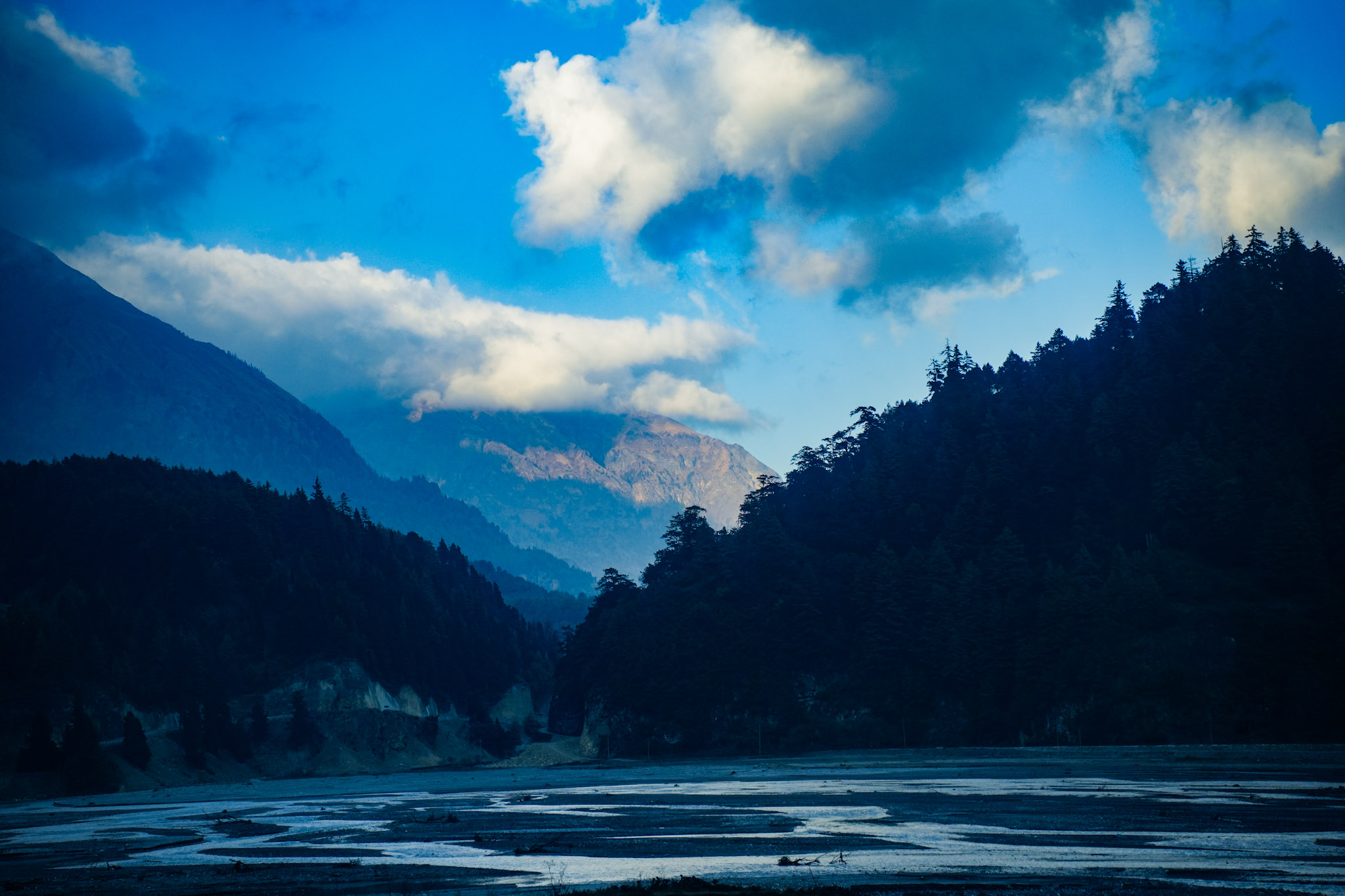
The Himalayan mountain range, extending across Afghanistan, Pakistan, India, Nepal, Bhutan, China (Tibet), and Myanmar, is one of Earth’s most important ecological and hydrological systems. Often called the “Third Pole,” the Himalayas contain the largest concentration of ice and snow outside the Arctic and Antarctica. Together with the neighboring Hindu Kush and Karakoram mountain systems, they store vast reserves of freshwater that sustain nearly two billion people across Asia.
The glaciers, snowfields, wetlands, alpine lakes, and permafrost of the Himalayan region feed ten of Asia’s major river systems, including the Indus, Ganges, Brahmaputra, Yangtze, Yellow, Mekong, Salween, Irrawaddy, Tarim, and Amu Darya. These rivers provide drinking water, irrigation, hydropower, fisheries, transportation, and essential ecosystem services that support the economies and food security of South Asia, East Asia, and Central Asia. Today, however, this globally significant mountain ecosystem is experiencing unprecedented environmental change. Scientific evidence overwhelmingly demonstrates that climate change is transforming the Himalayas at a rate faster than many other mountain regions on Earth.
According to the IPCC Sixth Assessment Report (AR6) and extensive research conducted by ICIMOD, the Hindu Kush Himalayan region has warmed significantly over the past century. Average temperatures in many high-altitude areas are increasing faster than the global average because of a phenomenon known as elevation-dependent warming, in which mountain environments experience amplified temperature increases. The consequences are already visible through rapid glacier retreat, declining seasonal snow cover, accelerated permafrost melting, the formation of unstable glacial lakes, changes in monsoon behavior, more frequent extreme rainfall events, prolonged droughts, and increasing water insecurity. The landmark 2019 ICIMOD Hindu Kush Himalayan Assessment warns that even if global warming is limited to 1.5°C, nearly one-third of Himalayan glacier volume could disappear by the end of this century. Under higher-emission scenarios, as much as two-thirds of glacier ice may be lost. These changes are not merely environmental; they pose a direct threat to the lives and livelihoods of millions across Asia.
Glaciers function as natural freshwater reservoirs, storing winter snowfall and gradually releasing water during warmer months. As glaciers shrink, river systems initially experience increased runoff and flooding. However, once they reach what scientists describe as “peak water,” river flows begin to decline as glacier storage diminishes. This creates long-term challenges for drinking water supplies, agriculture, hydropower generation, fisheries, groundwater recharge, and ecosystem health. Communities in Nepal, Bhutan, northern India, Pakistan, and Tibet are already witnessing changes in seasonal water availability. Springs that have supplied villages for centuries are drying up, while downstream regions face growing uncertainty over future water resources.
The Himalayas are among the youngest mountain ranges on Earth and remain geologically active because of the ongoing collision between the Indian and Eurasian tectonic plates. Their steep slopes, fragile geology, and seismic activity naturally make the region vulnerable to landslides, earthquakes, and erosion. Climate change is dramatically intensifying these existing risks. Rising temperatures accelerate glacier melt, creating unstable glacial lakes dammed by loose moraine material. When these natural dams collapse, they produce Glacial Lake Outburst Floods (GLOFs) capable of devastating entire valleys within hours. At the same time, extreme rainfall events are becoming more frequent and intense. Recent years have witnessed catastrophic floods in Pakistan, destructive landslides across Nepal, flash floods in Uttarakhand, glacier-related disasters in Bhutan, and increasing slope instability throughout the Hindu Kush Himalayan region. These disasters destroy homes, schools, roads, bridges, farmland, hydropower infrastructure, and cultural heritage while causing enormous economic losses.
The Himalayas are also recognized as one of the world’s richest biodiversity hotspots. Their forests, alpine meadows, wetlands, and high-altitude ecosystems support thousands of plant and animal species, many of which are found nowhere else. Climate change is altering habitats faster than many species can adapt. Scientists have documented the upward migration of plant species, shrinking alpine ecosystems, increased forest pest outbreaks, the spread of invasive species, declining pollinator populations, more frequent wildfires, and habitat loss for iconic wildlife such as the Snow Leopard, Red Panda, and Himalayan Musk Deer. These ecological changes also threaten traditional livelihoods based on medicinal plants, pastoralism, mountain agriculture, and ecotourism.
Climate change alone is not responsible for the increasing fragility of the Himalayas. Unsustainable development has significantly amplified environmental risks. Across the region, rapid infrastructure expansion, including highways, hydropower projects, mining, quarrying, river modification, deforestation, poorly planned urbanization, and unregulated tourism, has disturbed fragile mountain ecosystems. Large-scale construction often destabilizes slopes, increases erosion, fragments wildlife habitats, and alters river systems. While development remains essential for improving livelihoods, experts increasingly emphasize the need for climate-resilient planning that balances economic growth with ecological sustainability.
The impacts of climate change are becoming increasingly social and economic in nature. Erratic rainfall, declining agricultural productivity, crop failures, water shortages, and growing disaster risks are forcing many mountain communities to migrate. Young people frequently leave rural Himalayan villages in search of employment, accelerating rural depopulation and weakening traditional farming systems and indigenous knowledge. In some areas, abandoned agricultural terraces contribute to greater erosion and increased landslide risks. Climate change therefore threatens not only ecosystems but also cultural heritage, social cohesion, and the long-term resilience of mountain communities.
The Himalayan ecosystem transcends national borders. Water, glaciers, rivers, biodiversity, weather systems, and mountain hazards do not recognize political boundaries. Recognizing this shared reality, the report Climate Change: A Himalayan Odyssey, produced by the Climate Action Network South Asia in collaboration with AirClim, synthesizes scientific evidence alongside the findings of the IPCC AR6. The report emphasizes that regional cooperation among Himalayan countries is essential for effective climate adaptation, disaster risk reduction, biodiversity conservation, and sustainable water management. Shared scientific research, data exchange, early warning systems, and coordinated policies will become increasingly important as climate impacts intensify.
Despite limited financial resources, many Himalayan communities are demonstrating remarkable resilience and innovation. Across Nepal, India, and Bhutan, local communities are restoring forests, conserving springs, harvesting rainwater, diversifying crops, and adopting climate-resilient farming techniques that strengthen food security while protecting ecosystems. Renewable energy initiatives, including solar microgrids, improved cookstoves, biogas systems, and small-scale renewable energy projects, are reducing dependence on firewood and fossil fuels while improving energy access in remote villages. Community forestry, wetland conservation, grassland restoration, watershed protection, and sustainable grazing practices further enhance biodiversity, improve water regulation, and reduce erosion. At the same time, traditional knowledge, including seasonal weather observation, rotational grazing, water management, seed preservation, and forest stewardship, is increasingly being integrated with modern climate science to create more effective adaptation strategies.
Several community-based initiatives demonstrate how local action can successfully reduce climate vulnerability. In Nepal, community-based flood early warning systems now provide advance alerts that allow residents to evacuate, protect livestock, and safeguard property before disasters occur, significantly reducing loss of life and economic damage. In Uttarakhand, local communities have diversified their livelihoods through beekeeping, mushroom cultivation, quail farming, medicinal plant production, and climate-resilient agriculture, helping strengthen household resilience while reducing migration from mountain villages. Communities have also revived traditional water conservation practices by constructing recharge trenches, restoring catchment forests, and protecting watersheds. These relatively inexpensive interventions have improved drinking water availability, supported agriculture, and reduced wildfire risks.
Protecting the Himalayas requires action at every level, from local communities to national governments and international institutions. Governments must strengthen climate adaptation policies, invest in resilient infrastructure, conserve forests and watersheds, regulate environmentally sensitive development, and reduce greenhouse gas emissions in line with global climate commitments. Equally important is empowering local communities, whose traditional knowledge and practical innovations are already demonstrating effective pathways toward resilience. Because the Himalayan ecosystem is shared across multiple nations, future success depends upon regional cooperation in scientific research, glacier monitoring, water governance, biodiversity conservation, disaster preparedness, and sustainable mountain development. The Himalayas are not only the water towers of Asia but also one of humanity’s greatest natural treasures. Their future is inseparable from the future of nearly two billion people. Protecting this extraordinary mountain system is therefore not solely a regional responsibility but a global imperative requiring collective action, scientific collaboration, and sustained commitment for generations to come.