
When Mountains Speak: The Broad Peak Tragedy and a Time for Reflection
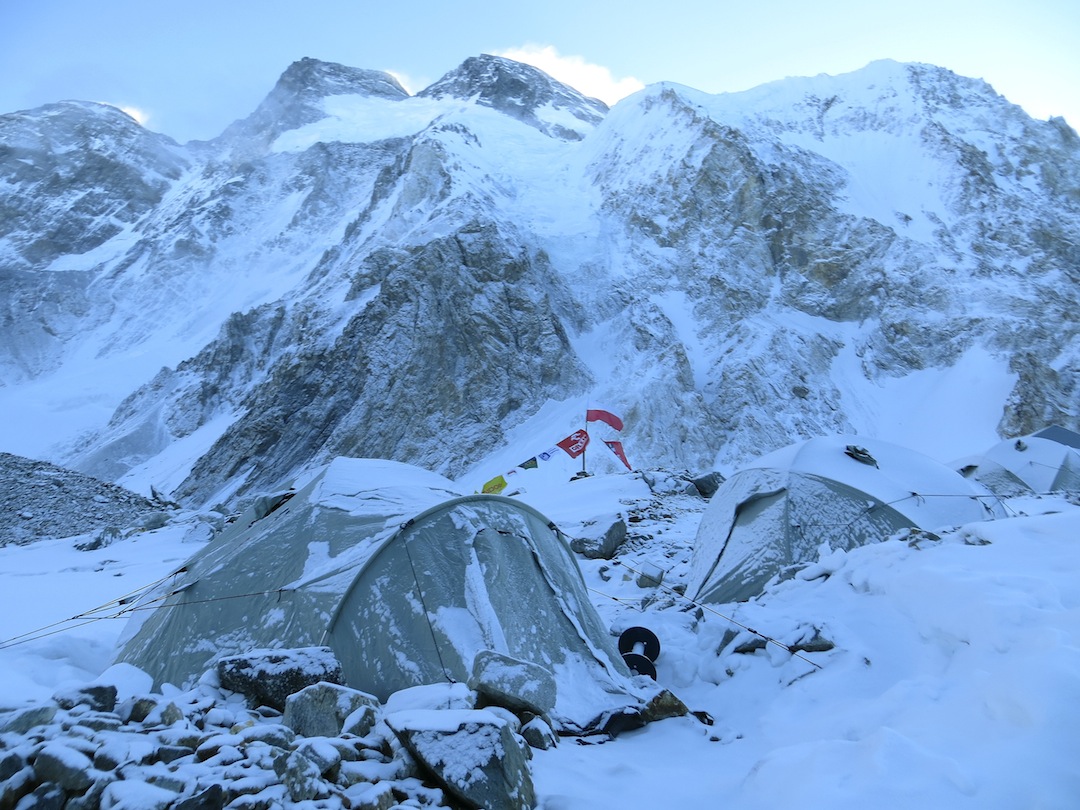
The recent avalanche on Broad Peak (8,051 meters) in Pakistan’s Karakoram Range has once again reminded the world that the highest mountains remain among nature’s most powerful and unpredictable places. Rescue teams continue searching for climbers reported missing after a devastating avalanche struck during an ascent. As families, friends, and the international mountaineering community wait anxiously for news, our first thoughts should be with those whose lives have been affected by this tragedy.
At moments like these, records, summits, and achievements become secondary. Every climber is someone’s child, parent, spouse, sibling, or friend. Every high-altitude porter, guide, and rescuer who ventures into dangerous conditions to help others deserves our deepest respect. We can only hope that those still missing are found and that every rescuer returns home safely.
Broad Peak, standing beside the legendary K2, is the twelfth-highest mountain in the world. Although it has often been considered less technically demanding than K2, it remains one of the world’s most formidable peaks. Since its first successful ascent in 1957, at least 39 climbers have lost their lives on Broad Peak, while hundreds have successfully reached its summit. Each successful expedition reflects extraordinary preparation, teamwork, and endurance, yet every tragedy reminds us that success in the mountains is never guaranteed.
Pakistan holds a special place in the history of mountaineering. The country is home to five of the world’s fourteen peaks above 8,000 meters—K2, Broad Peak, Gasherbrum I, Gasherbrum II, and Nanga Parbat. For decades, these mountains have drawn climbers, researchers, photographers, and adventurers from around the world. They have also fostered international friendships and deep respect among people from many cultures.
Behind every expedition stand countless local heroes. The high-altitude porters of Baltistan and Hunza, together with many Nepalese Sherpas working in the Karakoram, have earned worldwide admiration for their courage, professionalism, and willingness to risk their own lives in support of others. Their knowledge of these mountains has made many successful expeditions possible, and their sacrifices are often overlooked.
Yet the Karakoram is among the harshest mountain environments on Earth. Climbers face extreme altitude, severe cold, hidden crevasses, unstable glaciers, sudden storms, and avalanche-prone slopes. Unlike many popular mountaineering destinations, rescue operations are exceptionally difficult. Helicopters are often unable to fly because of altitude or weather, leaving rescuers to undertake dangerous missions on foot. Even the most experienced climbers understand that no amount of skill can eliminate all risk.
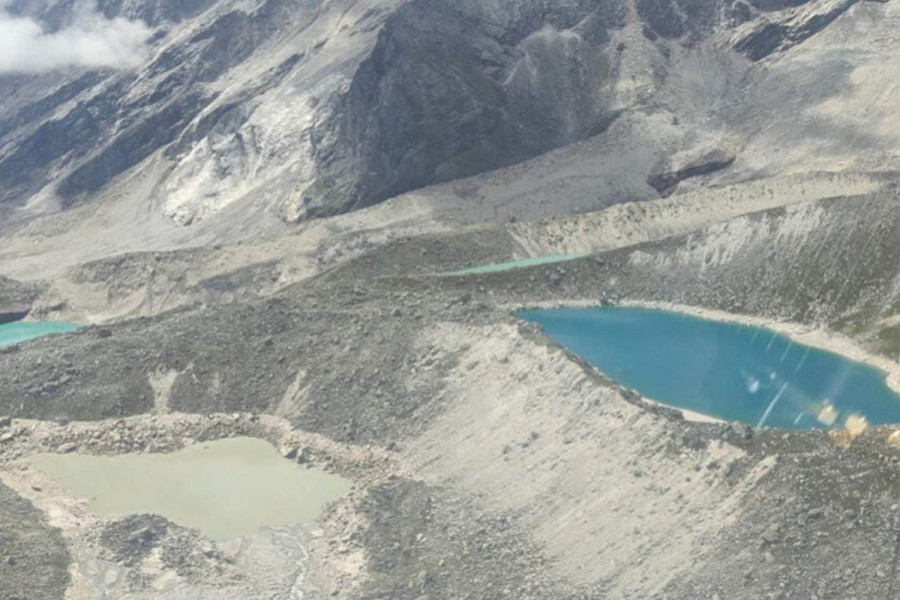
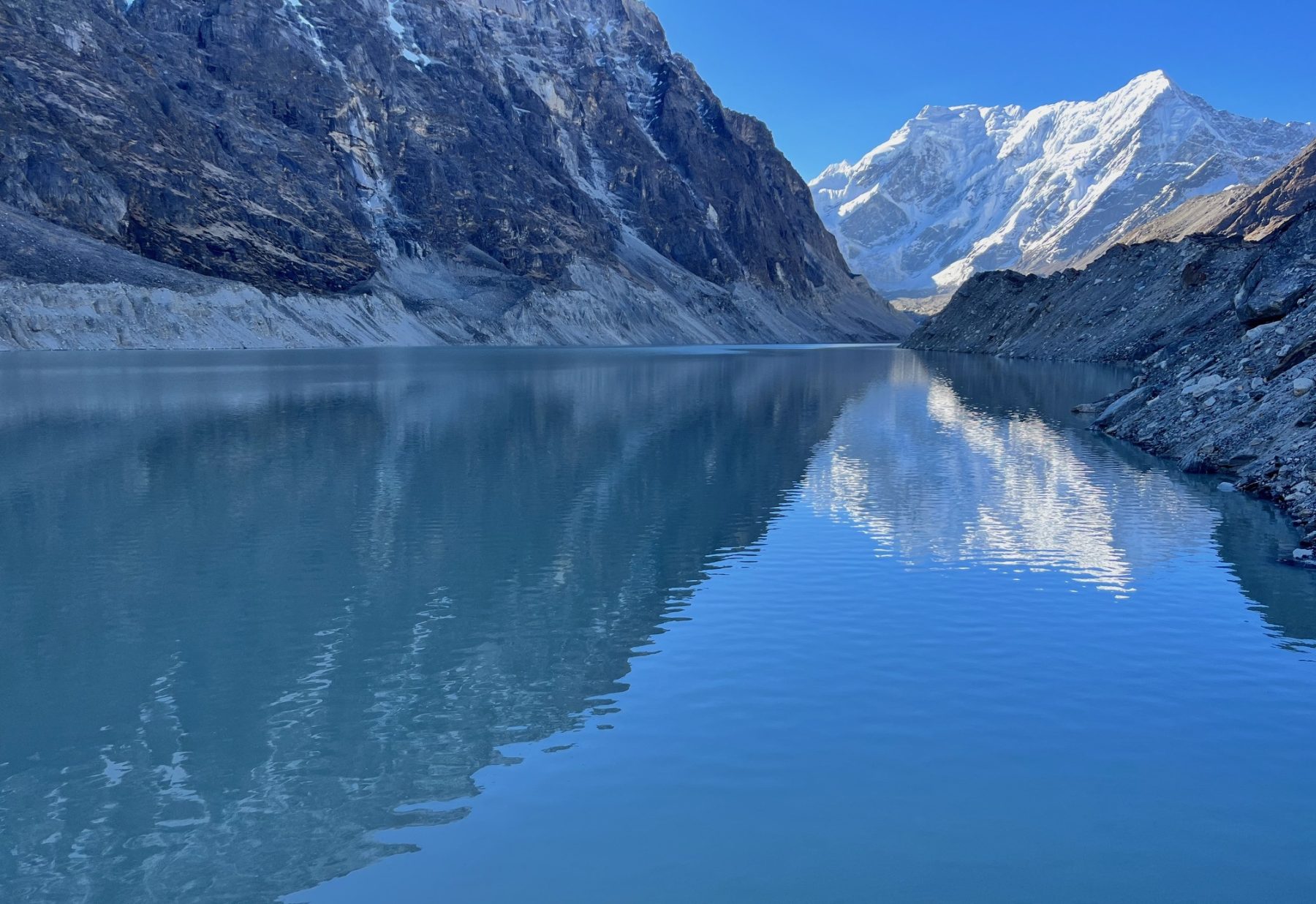
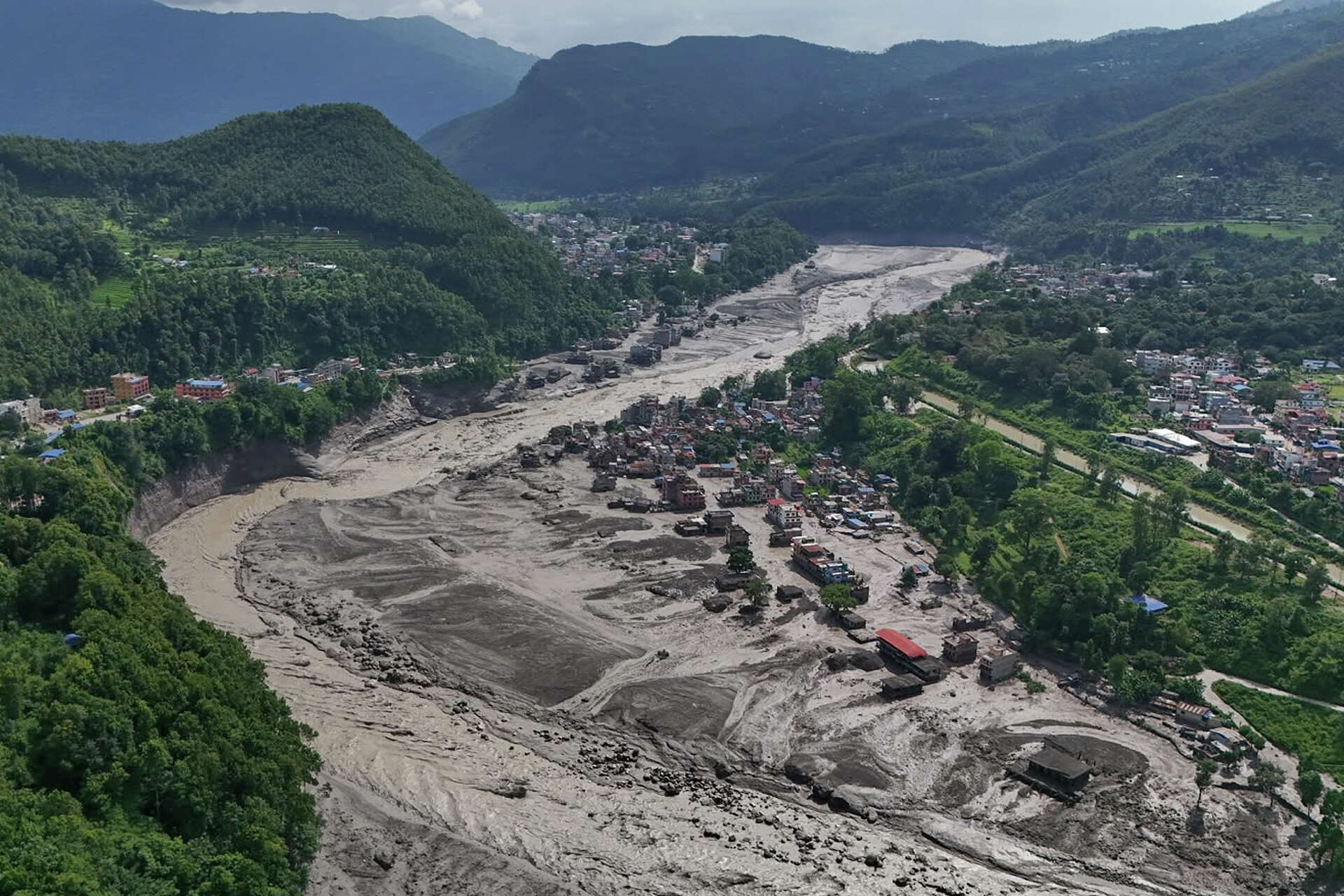
In recent years, another challenge has become increasingly evident: climate change. Scientists have documented rising temperatures across many high mountain regions, resulting in faster glacier melt, thawing permafrost, unstable snowpacks, and more frequent rockfalls and avalanches. While no single avalanche can be attributed solely to climate change, the changing environment is making many mountain hazards less predictable than in previous generations. Climbers, guides, and scientists alike are adapting to conditions that continue to evolve.
This tragedy also invites us to reflect on humanity’s relationship with the world’s highest mountains. Mountaineering has inspired remarkable stories of courage, perseverance, scientific exploration, and international cooperation. For many climbers, reaching a summit is not about conquering nature but about understanding themselves, testing their limits, and experiencing the profound beauty of the natural world.
At the same time, every tragedy reminds us that mountains are never truly conquered. They remain vast, ancient, and indifferent to human ambition. They deserve not only admiration but also humility.
For the indigenous peoples of the Himalaya and Karakoram, including the Balti, Sherpa, Tibetan, and other mountain communities, these peaks have long been regarded as sacred landscapes. They are places woven into culture, history, spirituality, and daily life. Their value extends far beyond mountaineering. They remind us of the interconnectedness between humanity and nature and of our responsibility to care for fragile environments that are increasingly threatened by climate change.
Perhaps the lesson of Broad Peak is not that humanity should stop climbing mountains altogether, but that we should continue asking thoughtful questions about how we approach them. As the climate changes and mountain environments become more unpredictable, the international mountaineering community may need to strengthen safety standards, deepen environmental responsibility, expand scientific research, and encourage a culture in which turning back is regarded as wisdom rather than failure.
There is also room to remember that not every meaningful encounter with a mountain requires standing on its summit. Millions of people find inspiration simply by walking through mountain valleys, listening to rivers, observing glaciers, photographing distant peaks, or sitting quietly in their presence. The beauty and wisdom of mountains can be experienced in many ways, often without exposing ourselves or others to extraordinary danger.
The unfolding events on Broad Peak are a sobering reminder of both nature’s majesty and human vulnerability. They call us not toward fear, but toward greater compassion, humility, and reflection. May this tragedy encourage continued dialogue among climbers, scientists, local communities, policymakers, and environmental advocates about how to preserve these extraordinary places while protecting the lives of those who journey among them.
Above all, may those who remain missing be found. May the rescuers be protected. May the families waiting for news find strength and hope. And may this difficult moment deepen our compassion, not only for the climbers on Broad Peak, but for all who live, work, and dream in the shadow of the world’s great mountains.