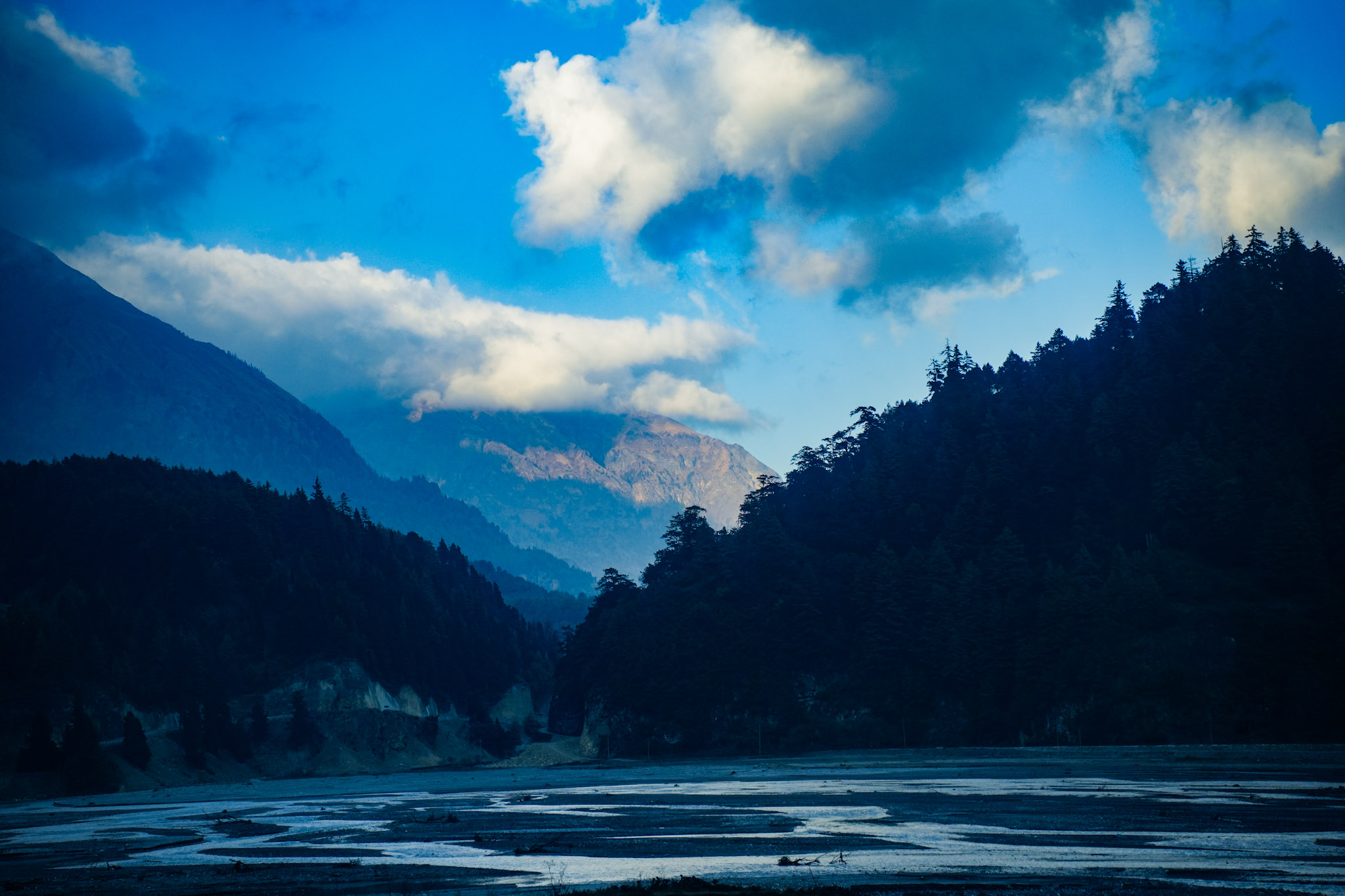

AI Technology Offers New Hope in Predicting Landslides and Avalanches

Sudden and unexpected, landslides and avalanches claim thousands of lives each year and cause billions of dollars in damage. But advances in artificial intelligence (AI) are offering new hope in predicting these disasters before they strike.
In the village of Kimtang in central Nepal, visible signs of instability are already present. Cracks run through concrete steps, and trees grow at unusual angles—clear indications that the ground beneath is shifting. The critical question remains: how much movement is occurring, and how dangerous is it?
Researchers have developed AI systems capable of analyzing satellite radar data to detect subtle ground movements that are invisible to the human eye. In Kimtang, this technology has revealed a large unstable zone directly beneath the village, highlighting a significant landslide risk.
Although landslides often appear sudden, they are usually preceded by slow and gradual movements within the earth. These movements can begin days, weeks, or even years before a collapse occurs. Advanced radar satellites, such as Sentinel-1, capture detailed data by sending signals to the Earth’s surface and measuring minute shifts in terrain.
Analyzing such vast amounts of data manually would be beyond human capability. AI, particularly machine learning, enables scientists to process and interpret this information efficiently. By combining physical models of slope behavior with AI algorithms, researchers can identify high-risk areas with increasing accuracy.
Nepal, home to some of the highest mountains in the Himalaya, is particularly vulnerable to landslides. In October 2025 alone, landslides in the country claimed around 60 lives. In Kimtang, villagers were relocated in 2019 after nearby landslides, only to discover that their new settlement may lie in an even more unstable zone.
The insights provided by AI are helping communities and authorities take preventive measures. These include planning evacuation routes, identifying safe zones, and implementing local monitoring systems. For instance, analysis has shown that a local high school in Kimtang is situated on one of the most stable parts of the area.
Beyond Nepal, similar technologies are being used worldwide. In Great Britain, researchers have applied AI to analyze approximately 300,000 slopes, identifying around 3,000 that are actively moving—often by just millimeters per year. While these movements are not visible, they can signal potential future landslides that may impact roads and railways.
AI is also proving valuable in disaster response. In Indonesia, researchers used machine learning to map over 4,000 landslides following a major event, providing critical information to emergency responders about affected areas and accessible routes.
In mountainous regions such as the Alps, AI is being trained to detect avalanches using thousands of labeled images from webcams. These systems can alert authorities to possible avalanche events, although human verification remains essential to avoid false alarms.
As climate change continues to destabilize landscapes, the importance of such technologies is growing. Warmer temperatures and increased human activity, including construction and mining, are contributing to a higher frequency of landslides worldwide.
At the same time, AI is helping refine risk assessments. In Colombia, researchers analyzing decades of landslide data have identified areas previously considered dangerous that may actually be safe for development, offering new opportunities for urban planning.
Ultimately, these advancements are changing how scientists and communities understand the ground beneath their feet. Mountains, often perceived as immovable, are in constant motion—albeit slowly. With AI, humanity is gaining the ability to observe and understand these movements more clearly than ever before, turning uncertainty into preparedness and risk into informed action.

Shechen Center New York Opens, Bringing a Living Buddhist Lineage to the Heart of New York City
1 week ago