
On the third day of Losar, known in the Tibetan and Himalayan tradition as Chökyong Losar, the Day of the Dharma Protectors, the Himalayan communities of New York gathered in Elmhurst not merely to celebrate a date on a calendar, but to renew a covenant with memory, devotion, and identity.
Chökyong Losar holds special importance within the fifteen days of the New Year observance. If the first day is centered on family and spiritual renewal, and the second day honors community and leadership, the third day is dedicated to invoking the protection of enlightened guardians. In Himalayan Buddhist understanding, Dharma protectors symbolize the safeguarding of wisdom, ethical conduct, and communal harmony. The day is therefore marked by offering rituals, incense ceremonies, the raising of prayer flags, and collective aspirations for peace and balance in the year ahead.
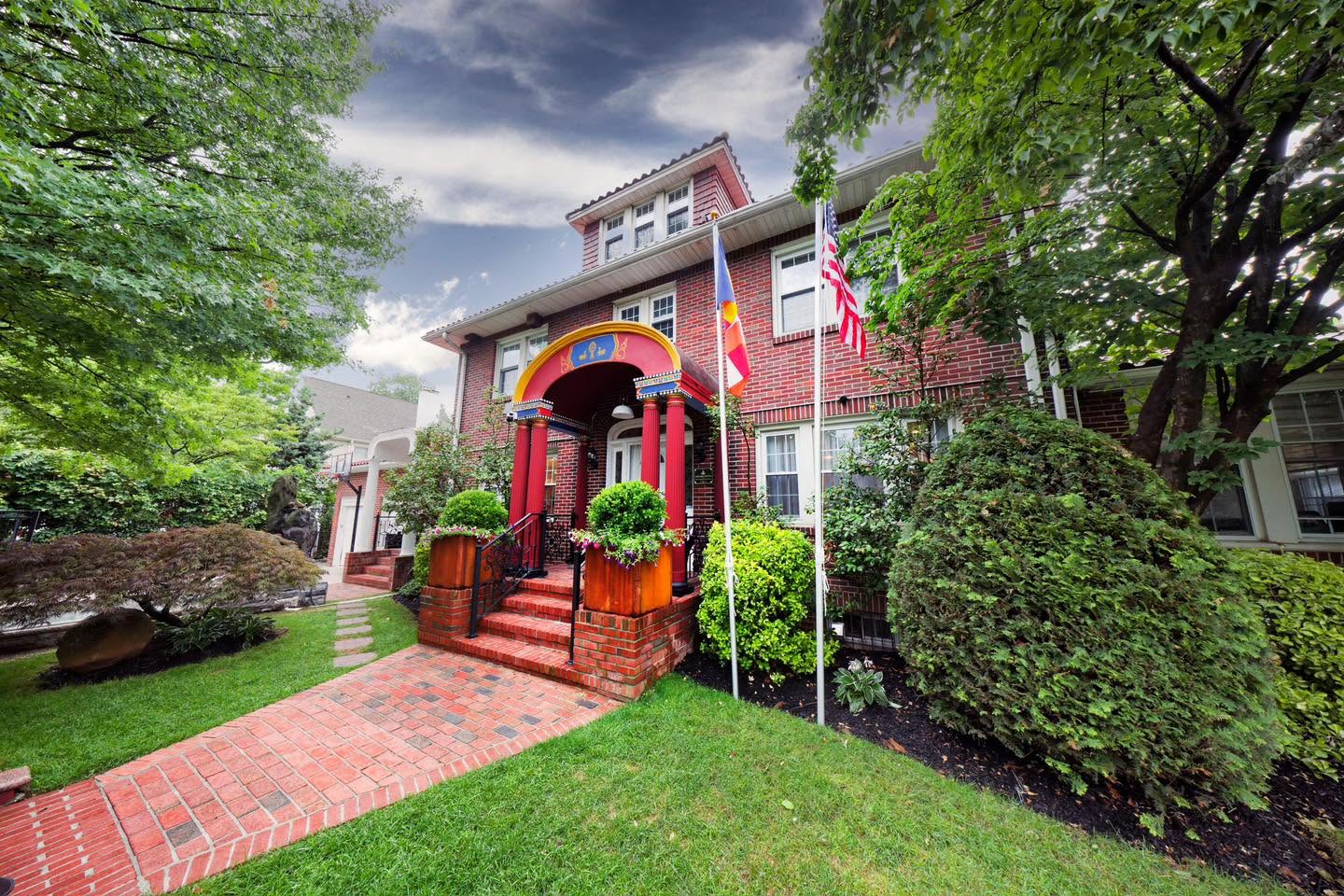
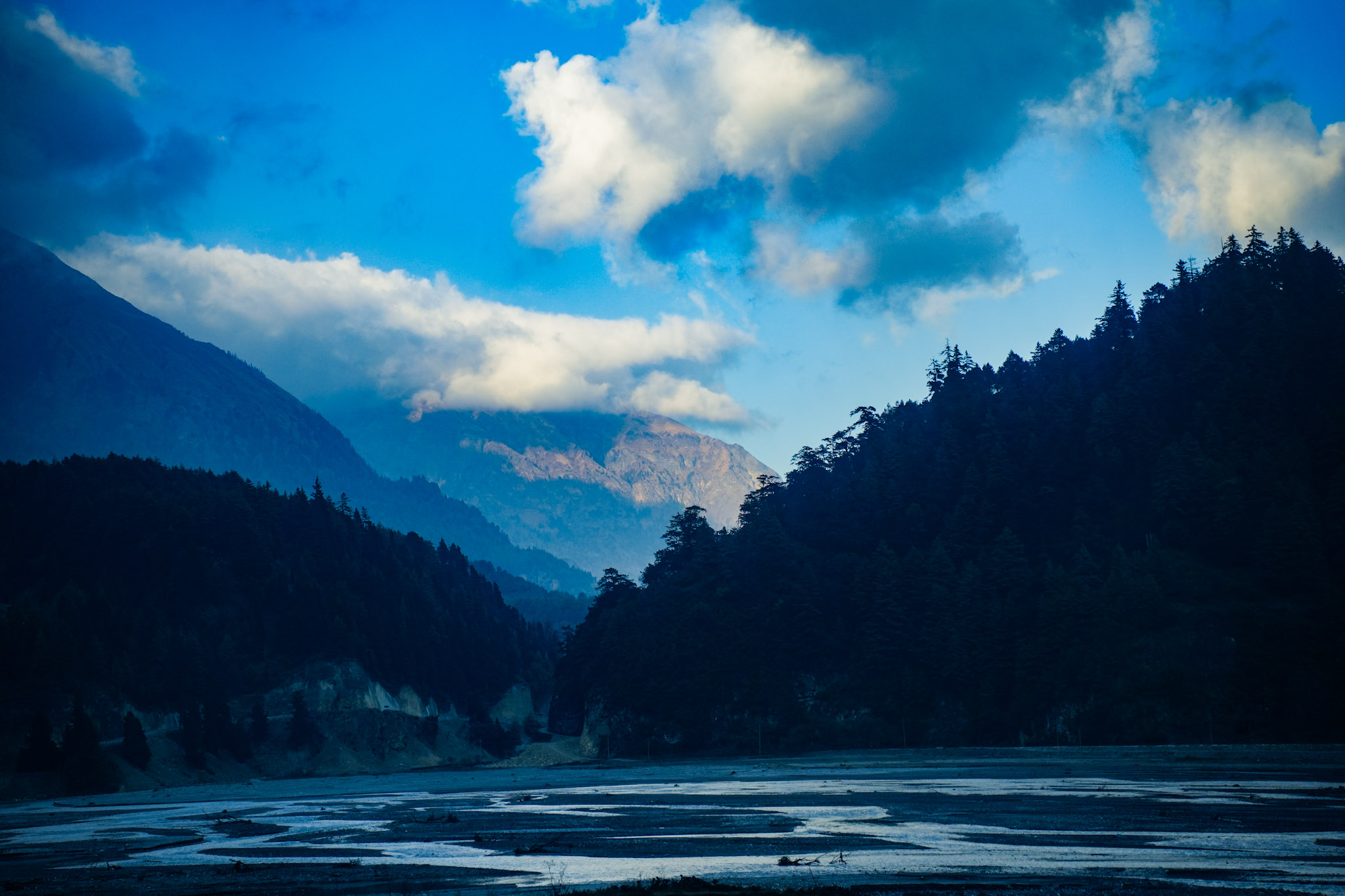
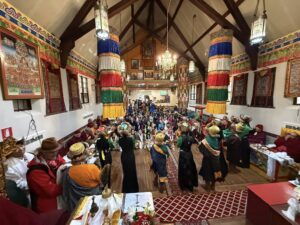
The rain fell steadily over Queens, cold and persistent, yet the community center of the United Sherpa Association glowed with warmth. Hundreds arrived, elders in traditional chubas, children in colorful brocade, youth balancing modern life with ancestral pride. The mountains of the Himalaya seemed to breathe quietly within the hall.
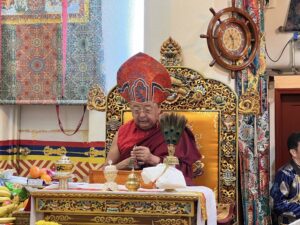
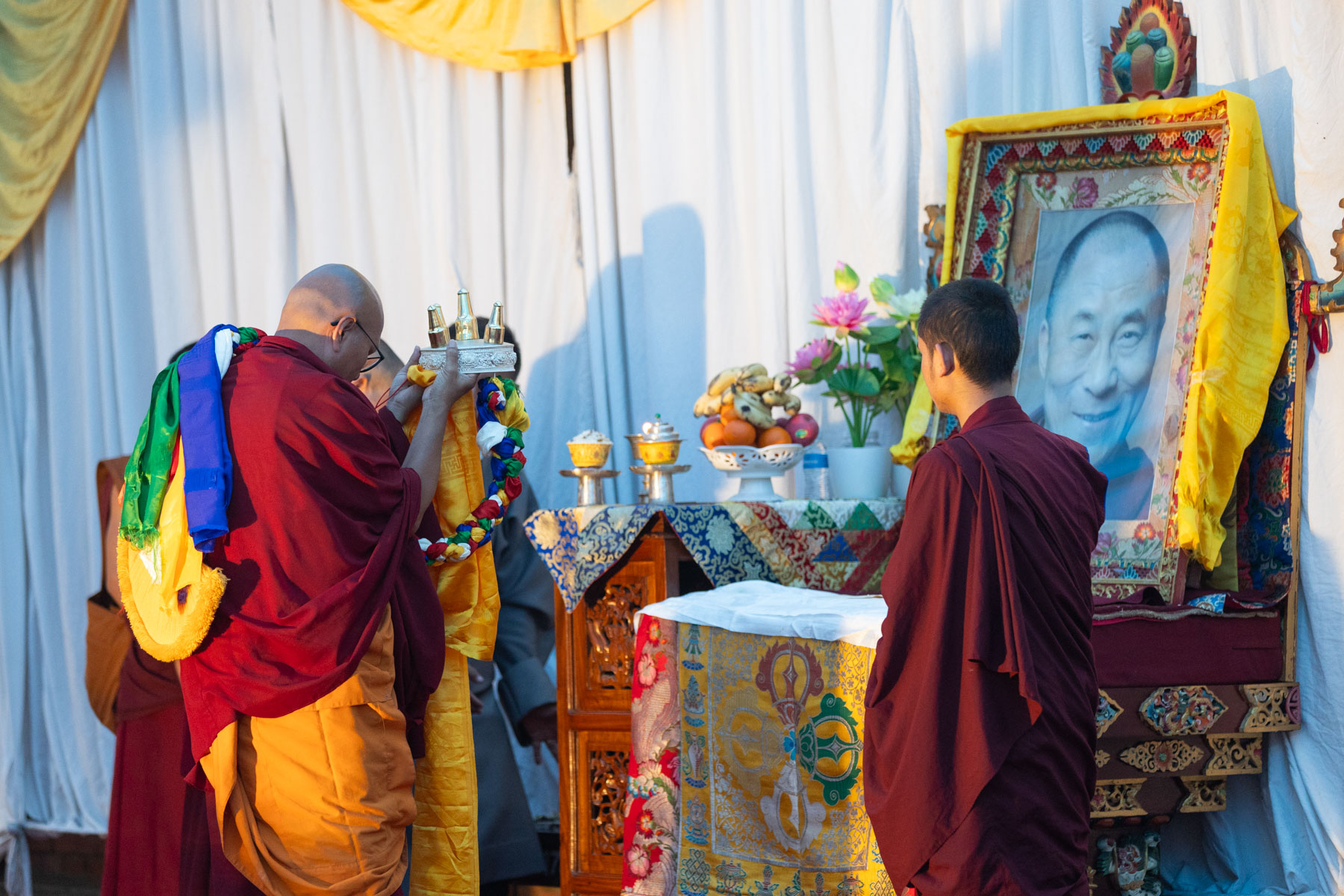
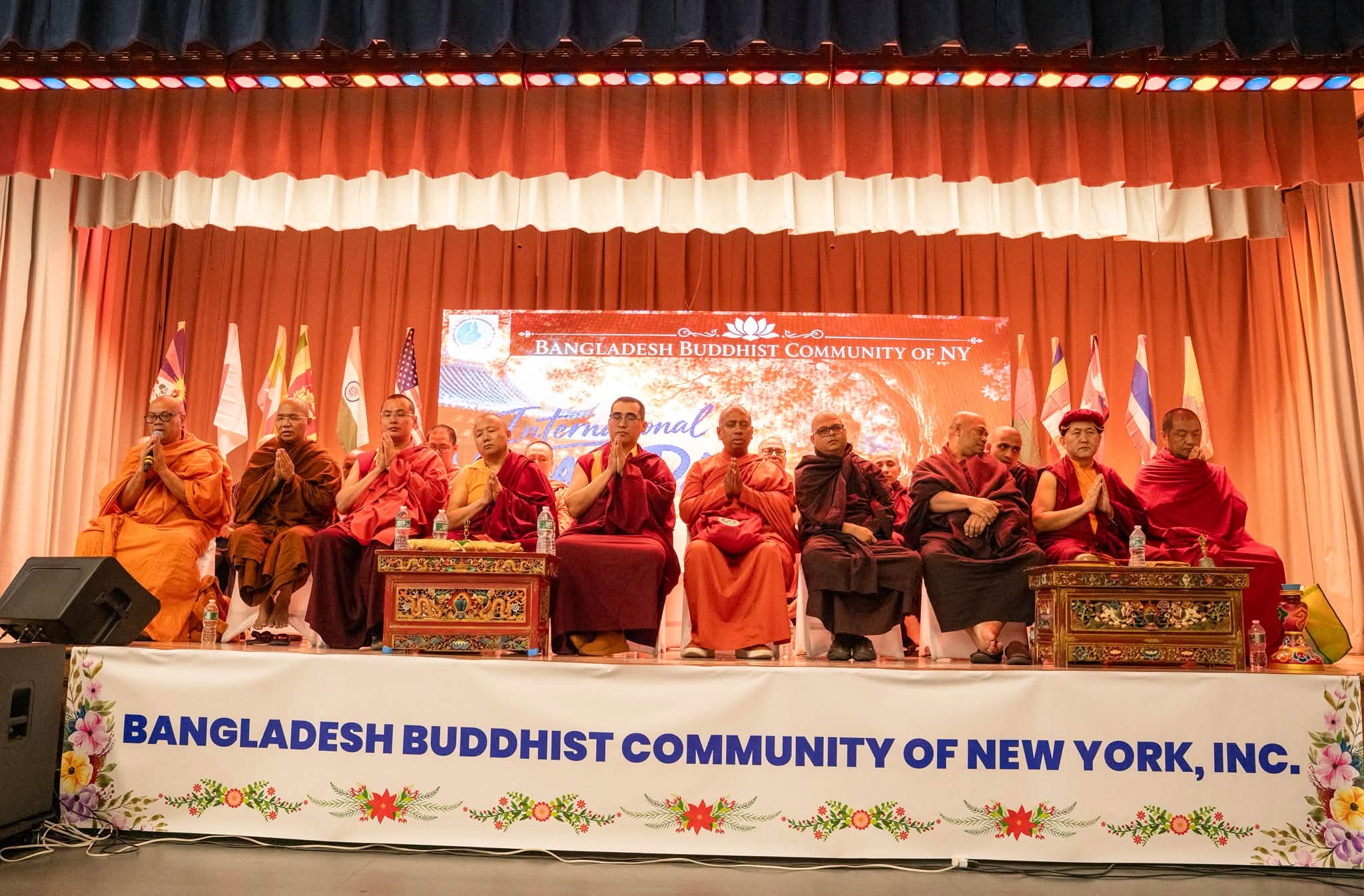
At the heart of the gathering was the Grand Sang Serkim Puja, a sacred offering ceremony invoking blessings for the New Year. On Chökyong Losar, this ritual carries particular meaning. Sang refers to the smoke offering, often made with juniper, symbolizing purification and generosity toward all visible and invisible beings. Serkim is the offering of sacred drink, expressing gratitude and respect toward protective forces. Together, these practices represent humility before interdependence and a conscious request for guidance and stability in the unfolding year.
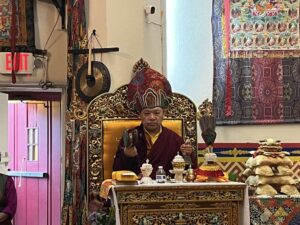
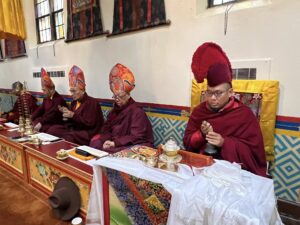
Juniper smoke rose in fragrant spirals, grains and libations were offered, and ancient chants moved through the space like wind across high passes. The ceremony was led by venerable monks including Lama Pema Sherpa, Tulku Urgen Sherpa, Acharya Ngawang Sangay, Khenpo Ngawang Lhundup, and other respected members of the monastic sangha. Their voices, measured and resonant, carried continuity and discipline. For a moment, Elmhurst felt like a spiritual valley far removed from the noise of the city.
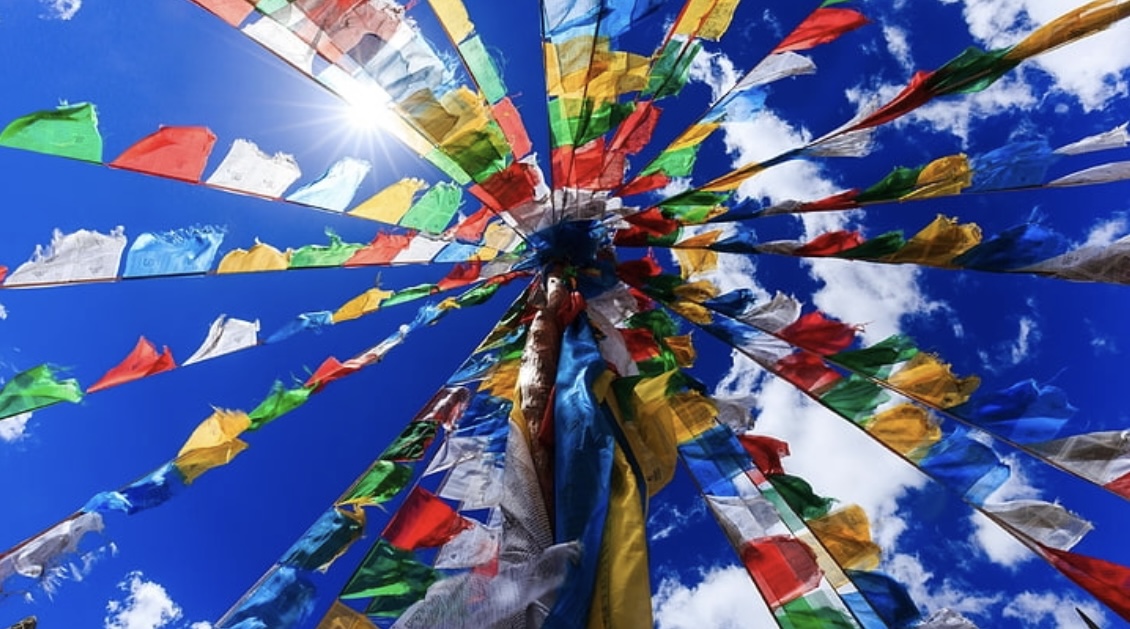
After the puja, monks and community members stepped outside into the rain to continue the observance in a visible and symbolic way. On the third day of Losar, it is customary to raise new prayer flags, renewing prayers for the world. The fresh strings of flags in blue, white, red, green, and yellow represent sky, air, fire, water, and earth. Their colors reflect the elemental balance that sustains life.
As the new prayer flags were raised into the damp February air, voices rose together in unison.
Ki Ki So So Lha Gyal Lo.
The cry echoed through the street, carried by rain and wind. Traditionally translated as May the gods be victorious, its deeper meaning speaks of the triumph of wisdom and compassion over ignorance and negativity. On Chökyong Losar, this proclamation is both prayer and affirmation. It expresses the hope that protective forces will guard the community, that virtue will overcome harm, and that clarity will guide the year ahead.
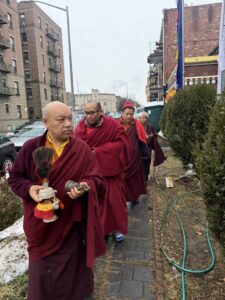
The prayer flags, once lifted, were left to move freely in the wind. In Himalayan belief, the wind carries the printed mantras outward, spreading blessings across distances unseen. Even in Queens, beneath a rain filled sky, that motion symbolized a connection between homeland and diaspora, between tradition and modern life.
The celebration was honored by distinguished guests whose presence affirmed the Himalayan community’s place within New York City. Congresswoman Grace Meng spoke of Queens as the most diverse borough in the nation and recognized the Himalayan people as an essential part of that vibrancy. Queens Borough President Donovan Richards praised the humanitarian and cultural contributions of the association, especially its youth programs and pandemic relief efforts. A Deputy Commissioner from the Mayor’s Office greeted the gathering in Nepali, emphasizing the importance of cultural preservation. On behalf of Assembly Member Jenifer Rajkumar, an official proclamation was presented in recognition of community leadership.
Among the honored attendees were Himalayan Program and Community Ambassador Tashi Chodron and Michelle B. Simorella, Director of Global Projects and Collections at the Rubin Museum, alongside numerous community leaders and representatives who have long supported Himalayan cultural initiatives in New York.
General Secretary Lhakpa Tenji Sherpa welcomed the gathering with gratitude. Board of Trustees President Lhakpa Rinji Sherpa expressed thanks to volunteers, guests, and community members. President Engineer Temba Sherpa spoke of responsibility, to preserve language, to mentor youth, to serve elders, and to strengthen unity.
Cultural performances by students added vitality to the observance. Tungna music and Syabru dance reflected continuity and pride. Through music, movement, and prayer, Chökyong Losar was celebrated not only as ritual obligation but as living tradition.
As the day concluded, rain continued to fall softly over Elmhurst. Inside and outside the community center, warmth endured in shared meals, in conversation, and in the sight of new prayer flags moving against the gray sky.
On this third day of Losar, the Day of the Dharma Protectors, the Himalayan community renewed its spiritual commitments and its civic presence. In prayer, in proclamation, and in quiet perseverance, the New Year began not only with festivity, but with intention.
Ki Ki So So Lha Gyal Lo. May wisdom and compassion prevail.
Photo courtesy: United Sherpa Association’s Facebook page