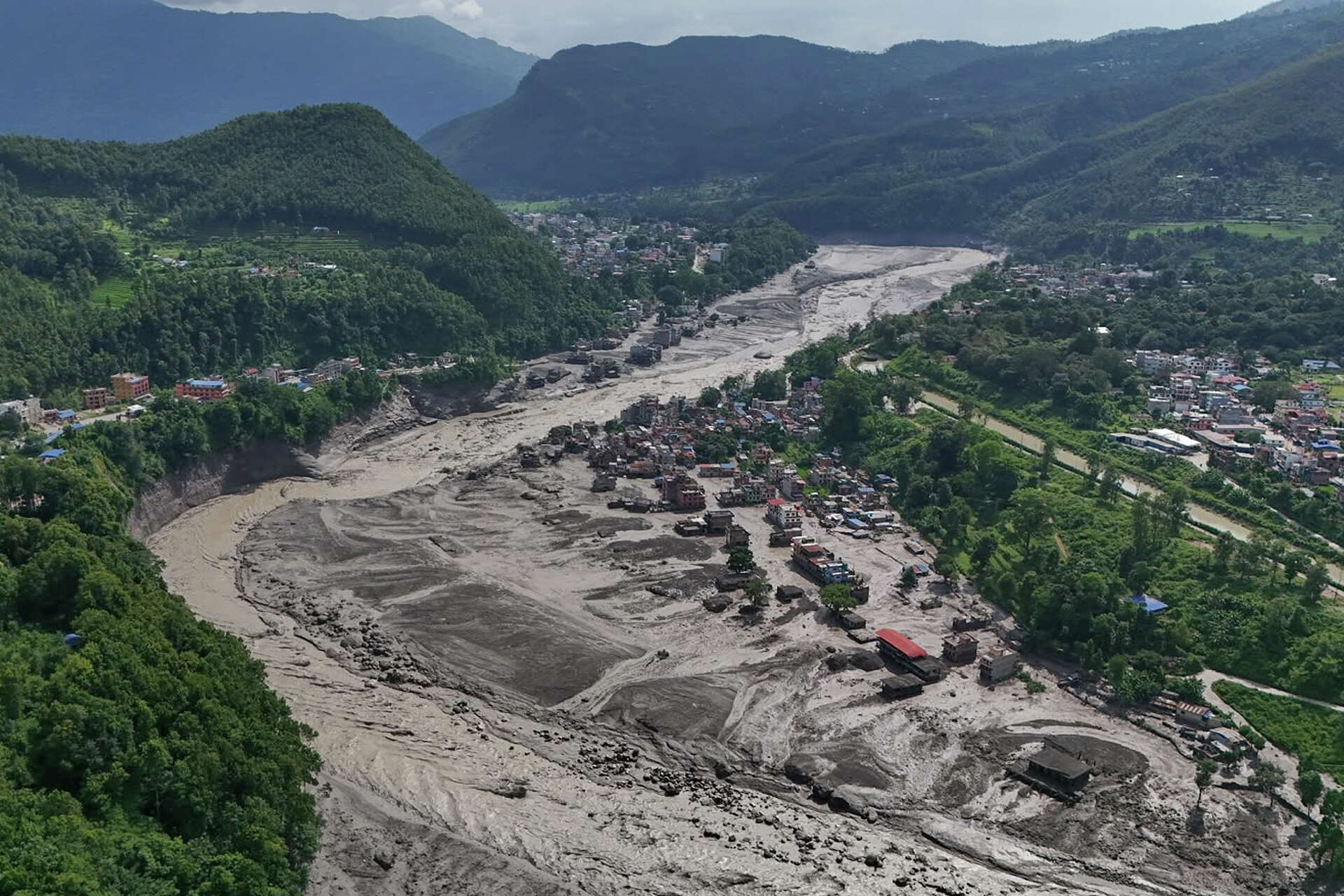

Broad Peak’s Silent Warning: How Many More Lives Must the Mountains Claim Before We Listen?
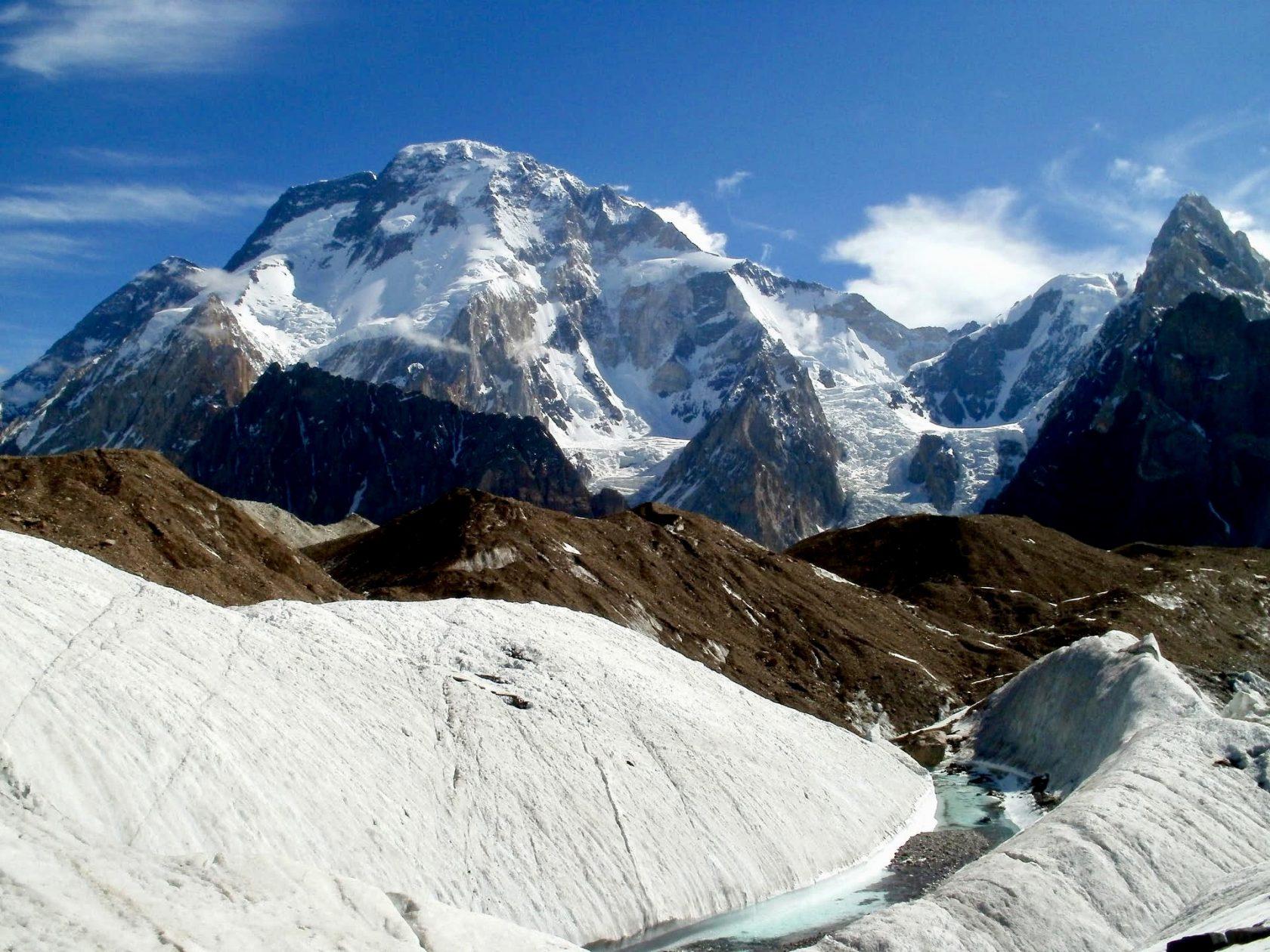
The recent tragedy on Broad Peak (8,047 meters) in Pakistan’s Karakoram has once again reminded humanity that the world’s highest mountains remain beyond our control. An international climbing expedition was struck by a devastating avalanche during this year’s climbing season, leaving multiple climbers dead and several others missing. Rescue teams continue their search under extraordinarily dangerous conditions, battling unstable snow, unpredictable weather, and the unforgiving realities of high-altitude rescue. As families across the world wait with hope and uncertainty, the global mountaineering community once again mourns a heartbreaking loss.
Broad Peak, rising to 8,047 meters, is the world’s twelfth-highest mountain. Standing beside the legendary K2, it is often overshadowed by its more famous neighbor. Yet experienced mountaineers know that Broad Peak is among the most dangerous mountains in the Karakoram. Its unstable snowfields, hidden crevasses, frequent avalanches, violent storms, and long, exposed summit ridge have claimed dozens of lives since the first successful ascent in 1957. Despite remarkable advances in climbing equipment and forecasting, Broad Peak continues to remind humanity that the mountain, not the climber, always has the final say.
Sadly, Broad Peak is only the latest chapter in a much longer history of tragedy across the Himalayas and the Karakoram. Every generation has witnessed disasters that shook the mountaineering world. The 1986 K2 tragedy claimed thirteen lives during a single climbing season. The 1996 Mount Everest disaster took eight lives in a single day. In 2008, the collapse of an ice serac on K2 killed eleven climbers. The Khumbu Icefall avalanche in 2014 claimed sixteen Sherpa lives, while the devastating earthquake-triggered avalanche at Everest Base Camp in 2015 killed twenty-two people. Annapurna, Nanga Parbat, Manaslu, Dhaulagiri, Kangchenjunga, and many other Himalayan giants have witnessed similar heartbreak. Altogether, more than 1,300 climbers have lost their lives on the world’s fourteen 8,000-meter peaks, while countless others have been injured or forever changed by these mountains.
Perhaps the most heartbreaking reality is not that these tragedies occur; it is that humanity seems to forget them so quickly. Every disaster follows a familiar pattern. The world watches in shock. News organizations provide continuous coverage. Social media fills with prayers and condolences. Rescue efforts capture international attention. Families wait in agony. Then, as weeks and months pass, public attention fades, memories disappear, and preparations quietly begin for another climbing season. History repeats itself, while the mountains remain silent witnesses.
This raises an uncomfortable but necessary question: Who is responsible?
There is no single answer. It would be unfair to place blame solely on climbers, expedition companies, governments, weather forecasters, or rescue agencies. These tragedies result from a combination of natural forces and human decisions.
Climate change is undoubtedly one of the contributing factors. Scientists have documented that rising global temperatures are accelerating glacier melt, destabilizing frozen slopes, weakening mountain permafrost, and increasing the likelihood of avalanches, icefalls, and rockfalls. Weather patterns across the Himalayas and the Karakoram have become increasingly unpredictable, leaving climbers with narrower weather windows and rescue teams facing greater uncertainty than ever before.
Human ambition must also be part of the conversation. Throughout history, people have been drawn to the world’s highest mountains in search of adventure, personal growth, scientific discovery, and spiritual challenge. Yet modern mountaineering has also become increasingly influenced by commercial expeditions, sponsorships, world records, media attention, and social recognition. None of these motivations are inherently wrong, but together they place more people in some of the world’s most dangerous environments. Nature does not distinguish between a world-famous mountaineer and an unknown climber. On the mountain, everyone is equally vulnerable.
Commercialization has transformed Himalayan climbing. Improved logistics, advanced equipment, weather forecasting, helicopters, and guided expeditions have enabled more people than ever before to pursue their dreams of standing atop the world’s highest peaks. While these developments have opened extraordinary opportunities, they have also increased congestion, intensified pressure during narrow weather windows, and encouraged summit attempts even when conditions are far from ideal. Success should never be measured only by reaching the summit. Returning home safely should always be the greatest achievement.
Ultimately, there is another reality that humanity must humbly accept: Mother Nature always has the final word. No matter how advanced our technology becomes, no matter how accurate weather forecasting may be, and no matter how sophisticated our climbing equipment, satellites, helicopters, artificial intelligence, drones, or rescue systems are, none of them can completely overcome the forces of nature. Avalanches cannot always be predicted. Glaciers can collapse without warning. Storms can form within minutes. Earthquakes, rockfalls, and icefalls obey no human timetable. Mountains have existed for millions of years, shaped by ice, wind, earthquakes, and time, and they will continue to follow their own natural laws long after humanity is gone. Technology can reduce risk, but it can never eliminate it. The mountains remind us that there are limits to human knowledge, power, and control. Rather than believing we can conquer nature, perhaps we should approach it with greater humility, recognizing that we are only temporary visitors in landscapes far older and far more powerful than ourselves.
Perhaps no community has paid a greater price than the Sherpa community. For generations, Sherpas have been the backbone of Himalayan mountaineering. They establish climbing routes, fix ropes, carry equipment and oxygen, build high camps, monitor conditions, guide expeditions, rescue stranded climbers, and often recover the bodies of those who never return. Even the world’s most accomplished and elite mountaineers have relied upon the knowledge, strength, endurance, and courage of Sherpa guides and high-altitude workers. Without their extraordinary expertise, many successful expeditions to the world’s highest mountains would simply not have been possible.
Tragically, Sherpas have also borne a disproportionate share of the human cost of Himalayan climbing. Year after year, many of those who lose their lives are young Sherpa men in the prime of their lives, leaving behind grieving parents, widows, young children, and entire communities that depended upon them. While the achievements of international climbers are often celebrated around the world, the sacrifices made by countless Sherpas remain far less recognized. Their contribution is measured not only in summits reached but also in lives saved. Their courage, professionalism, and selfless service deserve the highest respect, lasting recognition, and a continued commitment to improving their safety, insurance, training, and welfare.
Beyond the statistics lies another perspective that deserves equal respect. For many communities throughout Nepal, Pakistan, Tibet, Bhutan, and northern India, the highest mountains are not merely destinations for adventure. They are sacred places that have been revered for centuries. Mountains are regarded as the dwelling places of protective deities, symbols of harmony between humanity and nature, and sources of life-giving water. Long before modern mountaineering, local people approached these peaks with reverence, gratitude, and humility rather than with the desire to conquer them.
Perhaps there is profound wisdom in that ancient understanding.
The language of “conquering” mountains has become deeply rooted in modern mountaineering. Yet no human being truly conquers Everest. No one conquers K2. No one conquers Broad Peak. The mountain simply grants safe passage, or it does not.
Reducing future tragedies will require more than better technology. It will require stronger international cooperation, improved weather forecasting, stricter expedition standards, responsible commercial practices, continued scientific research into climate change, and, above all, the wisdom to turn back when conditions become unsafe. Sometimes the bravest decision a climber can make is not to continue upward but to return home.
Perhaps an even deeper lesson awaits us. Not every beautiful place must be climbed. Not every summit must become another record. Some mountains deserve simply to be admired, protected, and respected from afar. They are not only natural wonders but also sacred landscapes, cultural treasures, and living reminders of humanity’s place within nature. The highest mountains have stood for millions of years before humanity arrived, and they will remain long after we are gone. Their greatness does not depend upon our footprints.
As the world mourns the victims of Broad Peak, let this tragedy become more than another headline that fades with time. Let it become an opportunity to rethink our relationship with the world’s highest mountains. May we replace the language of conquest with the spirit of respect, ambition with wisdom, competition with compassion, and pride with humility. Mother Nature will always be greater than humanity, and perhaps our greatest achievement is not standing on a summit but learning when to stop, when to turn back, and when simply to admire the mountains from afar.
At this painful moment, we extend our deepest condolences to the families and loved ones of those who lost their lives and to those still waiting for news of the missing. No summit is worth a human life. Behind every climber is a family whose future has been forever changed. We also express our profound gratitude to the rescue teams, helicopter pilots, local guides, high-altitude workers, and volunteers who continue risking their own lives in the hope of saving others under some of the harshest conditions on Earth.