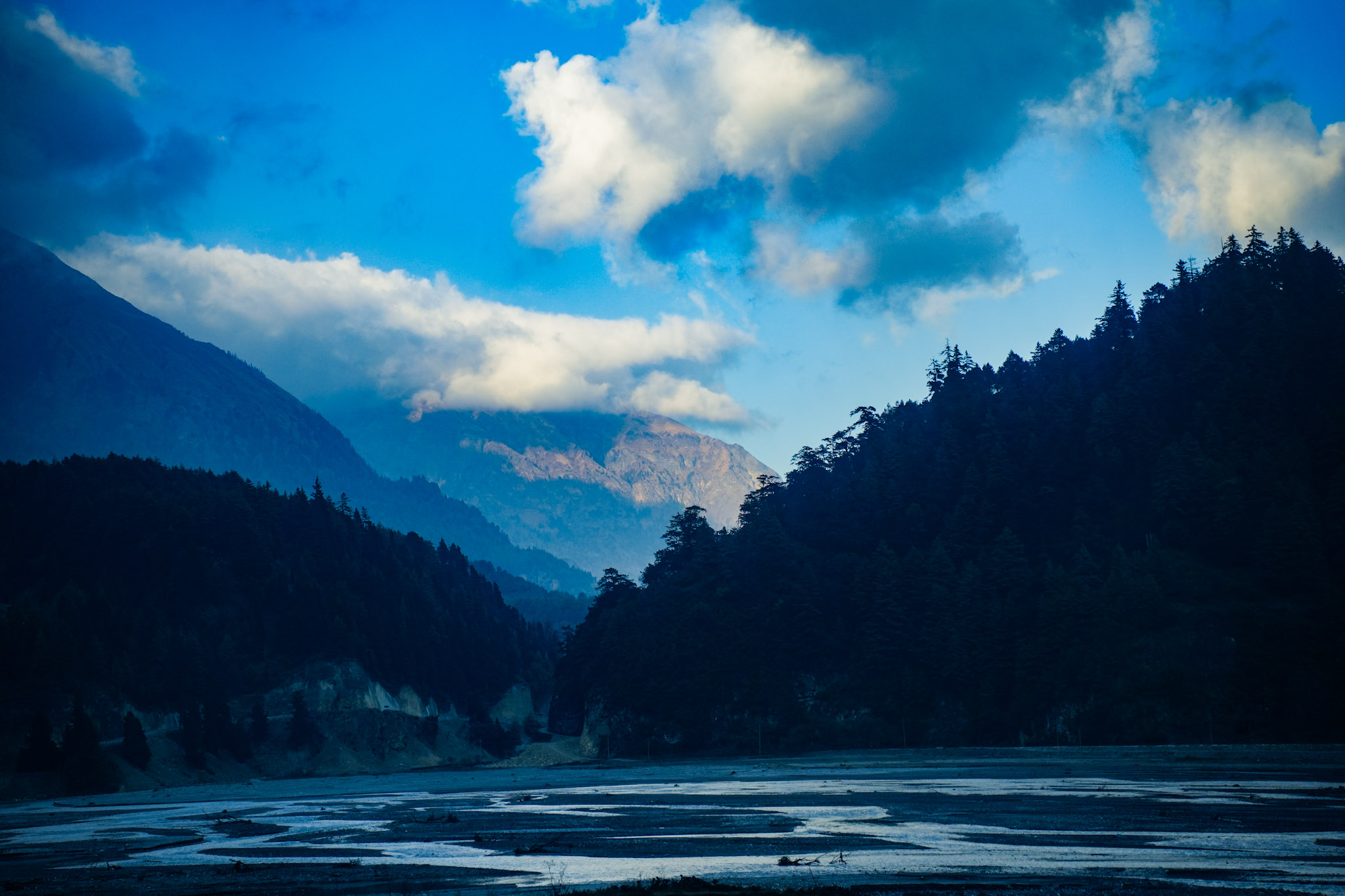

Sustainable Tourism Development and Climate Action in the Himalayas

The Himalayas are no longer just a symbol of natural grandeur and spiritual refuge; they have become one of the most urgent frontlines of the global climate crisis. Stretching across eight nations and sustaining nearly two billion people through their vast river systems, this fragile mountain region is now experiencing environmental transformations at an alarming pace. Scientific research leaves little room for doubt: the Himalayas are warming faster than the global average, glaciers are retreating rapidly, and the ecological balance that has supported life for centuries is under serious threat. In this unfolding crisis, the question is no longer whether change is happening, but whether humanity, particularly those shaping development in the region, can respond with responsibility and foresight.
Tourism, often celebrated as a pathway to economic opportunity in the Himalayas, now stands at the center of this dilemma. For decades, trekking routes, sacred landscapes, and towering peaks have drawn visitors from around the world, creating livelihoods for countless mountain communities. In countries like Nepal and Bhutan, tourism has provided not only income but also a sense of global connection. However, the very success of tourism has begun to undermine the ecosystems on which it depends. Unregulated growth, poorly planned infrastructure, and a lack of environmental accountability have turned some of the world’s most pristine landscapes into zones of increasing ecological stress.
In many high-altitude regions, the evidence is visible and deeply concerning. Waste accumulation along trekking routes, deforestation for hotel construction, water scarcity during peak tourist seasons, and the disruption of wildlife habitats are no longer isolated issues; they are systemic challenges. The Himalayas, by their very nature, cannot absorb unlimited human pressure. Their ecosystems are delicate, their recovery slow, and their thresholds easily exceeded. Yet tourism policies in many parts of the region continue to prioritize short-term economic gain over long-term sustainability.
At the same time, climate change is beginning to reshape the very foundation of Himalayan tourism. Glaciers that once defined iconic trekking landscapes are shrinking. Snow patterns are becoming unpredictable, affecting mountaineering seasons. Trails are increasingly exposed to landslides and extreme weather events, raising serious safety concerns. This creates a dangerous paradox: tourism contributes to environmental degradation, while climate change, accelerated in part by human activity, threatens the future of tourism itself. If this cycle continues unchecked, the Himalayas risk losing not only their ecological integrity but also the economic lifeline that tourism provides.
This is precisely why sustainable tourism must move from being an abstract ideal to a central pillar of climate action in the Himalayas. Sustainable tourism is not about limiting growth; it is about redefining it. It calls for a model that respects ecological boundaries, empowers local communities, and aligns development with environmental stewardship. Research consistently shows that community-based tourism, where local people have ownership and decision-making power, leads to more sustainable outcomes. When communities benefit directly from tourism, they are more likely to protect their natural and cultural heritage.
Equally important is the need for strong environmental governance. Carrying capacity must be taken seriously, with limits placed on visitor numbers in ecologically sensitive areas. Waste management systems must be modernized and enforced, including bans on single-use plastics and the promotion of zero-waste trekking practices. Tourism infrastructure must shift toward renewable energy, reducing reliance on fossil fuels in remote mountain areas. These are not optional measures; they are essential steps if tourism is to coexist with the fragile Himalayan environment.
However, sustainable tourism alone cannot address the scale of the climate crisis facing the region. It must be integrated into a broader framework of climate action that includes both mitigation and adaptation. This means investing in climate-resilient infrastructure, strengthening disaster preparedness, protecting watersheds and forests, and supporting research that informs policy decisions. Tourism can and should contribute to this effort, both financially and through awareness-building. Visitors to the Himalayas must not remain passive observers; they must become participants in the preservation of the region they come to admire.
There is also a deeper, often overlooked dimension to this issue: the cultural and spiritual relationship between Himalayan communities and their environment. For generations, mountain societies have lived with a profound respect for nature, guided by values rooted in balance, interdependence, and responsibility. These perspectives are not relics of the past; they offer essential insights for the future. Sustainable tourism, if properly designed, can help preserve and promote these values, ensuring that development does not erode the cultural foundations that have long sustained ecological harmony.
The responsibility, however, does not lie solely with local communities or governments. The global community must also recognize its role. Climate change in the Himalayas is not a local problem; it is a global consequence. International cooperation, climate financing, and responsible travel practices are critical to supporting sustainable development in the region. Tourists, policymakers, and industry stakeholders alike must understand that every decision, whether it is choosing an eco-friendly lodge or implementing a national tourism policy, has implications for the future of the Himalayas.
The Himalayas today stand at a critical crossroads. One path leads toward unchecked exploitation, environmental degradation, and increasing vulnerability. The other leads toward resilience, sustainability, and a renewed balance between human activity and nature. The choice is clear, but the action required is not easy. It demands vision, discipline, and a willingness to prioritize long-term survival over short-term gain.
Sustainable tourism, when aligned with meaningful climate action, offers one of the most practical and immediate pathways forward. It is not a complete solution, but it is a powerful starting point. The stakes could not be higher. The glaciers, rivers, cultures, and communities of the Himalayas are not only regional treasures; they are part of our shared global heritage.
To protect the Himalayas is to protect the future. The time to act is now.

Shechen Center New York Opens, Bringing a Living Buddhist Lineage to the Heart of New York City
1 week ago